
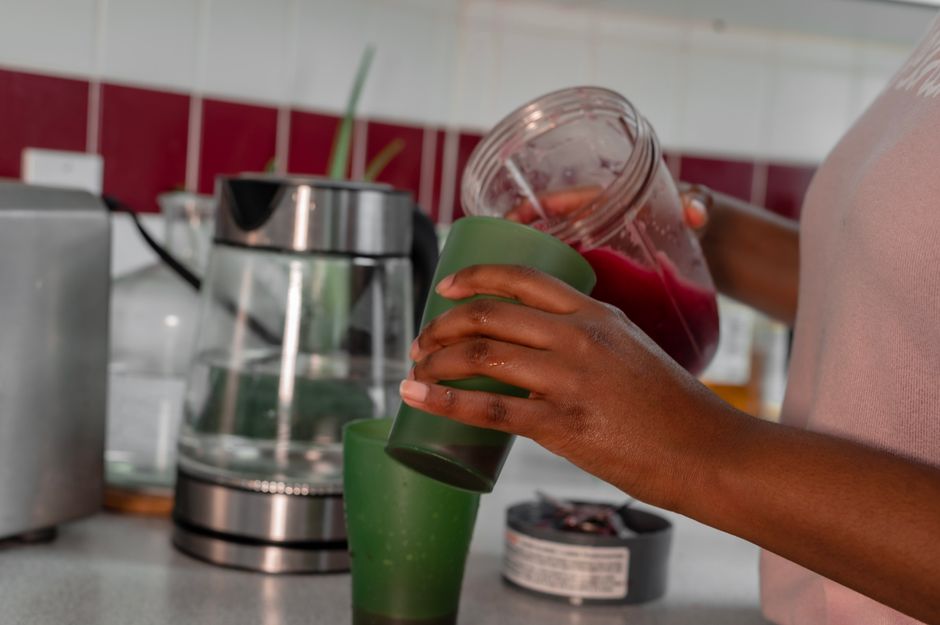
A liquid diet can cause diarrhea for a few clear reasons. The most common is a sudden change in what your digestive system is used to processing. When you switch from solid food to mostly liquids, your gut has less bulk to work with, and fluids can move through your intestines much faster than solids do. This rapid transit leaves less time for water to be absorbed, which results in loose stools.
Why Does a Liquid Diet Cause Diarrhea?
Your large intestine’s main job is to absorb water from what you eat and drink. When food is solid, it moves through the digestive tract at a steady pace. Liquids, especially those high in sugar or certain types of artificial sweeteners, can pull water into the intestines or speed up the movement of waste. The result is that water passes through before your colon can absorb it.
This is not a sign that something is wrong with your body. It is a mechanical response to a change in input. The digestive system adapts to what you give it, and a liquid-only intake is a major change for most people.
Which Liquids Are Most Likely to Cause Loose Stools?
Not all liquids affect your gut the same way. Some are much more likely to trigger diarrhea than others.
High-sugar liquids are a common culprit. Juices, sodas, and sweetened sports drinks contain sugars that can draw water into the bowel. This is especially true for drinks with high amounts of fructose or sorbitol, a sugar alcohol often used in sugar-free products. Sorbitol is poorly absorbed by the small intestine, and when it reaches the colon, it pulls water with it.
Caffeinated drinks like coffee and some teas can stimulate the digestive tract. Caffeine increases muscle contractions in the intestines, which can push contents through faster than normal. This effect is well documented and can be even more pronounced when you consume caffeine on an empty stomach.
Dairy-based liquids such as milk or protein shakes can cause problems if you are lactose intolerant. Many adults have some degree of lactose intolerance without realizing it. When lactose is not properly digested, it ferments in the colon and causes gas, bloating, and diarrhea.
Artificial sweeteners deserve special attention. Sugar alcohols like xylitol, erythritol, and mannitol are common in sugar-free drinks and protein shakes. These compounds are not fully absorbed, and even moderate amounts can cause osmotic diarrhea. Osmotic means the undigested particles pull water into the gut, increasing stool volume and fluid content.
How Long Does Liquid Diet Diarrhea Last?
For most people, diarrhea from a liquid diet lasts a few days. The gut typically adapts to a new intake pattern within two to four days. If diarrhea continues beyond that window, it may indicate that a specific ingredient in your liquids is the problem rather than the liquid diet itself.
Pay attention to which drinks coincide with your symptoms. If diarrhea starts shortly after a particular juice or shake, that product is likely the trigger. Removing it and seeing if symptoms improve is a straightforward way to identify the cause.
Persistent diarrhea lasting more than a week is a reason to check with a healthcare provider. This is especially important if you are on a liquid diet for medical reasons, as prolonged diarrhea can lead to dehydration and electrolyte imbalances.
What Can You Do to Reduce Liquid Diet Diarrhea?
Several practical steps can help your digestive system adjust to a liquid diet with fewer side effects.
- Slow down the transition. Instead of switching to all liquids at once, gradually replace solid meals over several days. This gives your gut time to adapt.
- Choose lower-sugar options. Look for drinks that are not packed with added sugar or fruit juice concentrates.
- Check labels for sugar alcohols. Ingredients ending in “-ol” such as sorbitol, xylitol, and mannitol are common diarrhea triggers.
- Drink liquids at room temperature. Very cold drinks can increase intestinal motility in some people.
- Add soluble fiber if allowed. If your liquid diet permits it, a small amount of psyllium husk or oat fiber can help firm up stools by absorbing excess water.
- Stay hydrated with plain water. Drinking plain water between meals rather than only consuming flavored or sweetened liquids can reduce the osmotic load on your gut.
Some clinicians also recommend eating small amounts of easily digestible solid food if your liquid diet is not medically required to be strict. Foods like white rice, bananas, or applesauce can provide bulk that slows transit time and helps normalize stool consistency.
When Is a Liquid Diet Actually Necessary?
Liquid diets are not a casual choice for most people. They are typically prescribed for specific medical situations. Clear liquid diets are commonly used before certain medical procedures like colonoscopies. Full liquid diets are sometimes used after surgery or during flare-ups of digestive conditions like Crohn’s disease or diverticulitis.
Some people try liquid diets for weight loss without medical supervision. This is not supported by strong evidence as a safe or sustainable approach. The weight lost on a liquid diet is often mostly water weight, and much of it returns when regular eating resumes. No large human trials have confirmed that liquid-only diets produce better long-term weight outcomes than balanced solid-food diets.
If you are considering a liquid diet for any reason other than a medical procedure, it is worth discussing with a healthcare provider first. The risks of nutritional deficiency and muscle loss are real, especially if the diet continues beyond a few days.
Can a Liquid Diet Cause Diarrhea Because of the Gut Microbiome?
Your gut contains trillions of bacteria that help digest food and maintain intestinal health. These bacteria feed on dietary fiber, which is mostly found in solid plant foods. A liquid diet is often low in fiber, which means the bacteria in your colon have less to ferment.
This change in the microbial environment can alter how your gut functions. Some research suggests that rapid changes in diet can temporarily disrupt the balance of gut bacteria, which may contribute to digestive symptoms like diarrhea. However, the evidence on exactly how liquid diets affect the microbiome is still limited. Most studies have focused on specific medical formulas rather than general liquid diets.
What is clear is that a sudden drop in fiber intake changes stool formation. Fiber adds bulk and absorbs water. Without it, stool can become loose and pass more quickly. This is a mechanical explanation that does not require any complex microbiome theory.
Is Liquid Diet Diarrhea the Same as Food Poisoning?
No, but the symptoms can feel similar. Diarrhea from a liquid diet is typically not accompanied by fever, severe abdominal cramping, or vomiting. Those symptoms point to an infection or another medical issue.
If you develop a fever above 101°F, see blood in your stool, or experience severe pain, these are signs that something other than the liquid diet is going on. In that case, stop the diet and contact a healthcare provider promptly. Diarrhea from a dietary change alone should not cause fever or blood.
Frequently Asked Questions
How quickly after starting a liquid diet does diarrhea begin?
Diarrhea can begin within hours of your first liquid meal, especially if the liquids are high in sugar or contain sugar alcohols. For many people, symptoms appear on the first or second day and then improve as the gut adapts.
Should I stop the liquid diet if I have diarrhea?
If you are on a medically prescribed liquid diet, do not stop it without consulting your doctor. If the diet is self-chosen, stopping or modifying it is reasonable, especially if diarrhea persists beyond a few days.
Does drinking more water help or worsen liquid diet diarrhea?
Drinking plain water between meals generally helps maintain hydration without worsening diarrhea. Sugary or artificially sweetened beverages are more likely to worsen diarrhea than plain water.
Can I take anti-diarrhea medication while on a liquid diet?
Anti-diarrhea medications like loperamide can be used for short-term relief, but they should not be used without checking with a healthcare provider. If your liquid diet is for a medical procedure, diarrhea may be expected and should not be suppressed without medical advice.
