
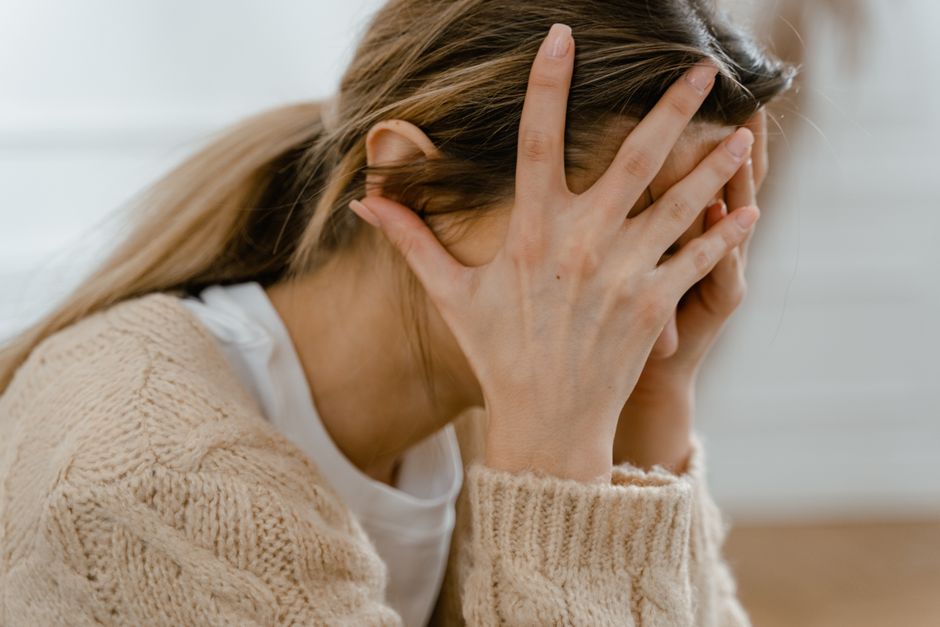
Anxiety in the chest often feels like a tight band wrapped around your ribs, a heavy weight pressing down, or a racing heart that seems to skip beats. It can also feel like a sharp, stabbing pain that comes and goes, or a dull ache that never quite goes away. The sensation is real — it is caused by your body’s stress response — but it is not the same as a heart attack, and understanding the difference can help you respond calmly.
What Does Anxiety Feel Like in the Chest? The Real Answer
Chest discomfort from anxiety is one of the most common reasons people visit emergency rooms. The feeling varies from person to person, but most describe it as pressure, tightness, or a sensation that something is stuck. Some people feel a burning sensation, while others describe a sharp pain that lasts only a few seconds.
The key feature of anxiety-related chest pain is that it often comes with other symptoms like a racing heart, shortness of breath, sweating, or a feeling of dread. These symptoms typically peak within 10 minutes and then fade, though the discomfort can linger for hours.
Unlike heart attack pain, anxiety chest pain is usually not triggered by physical exertion. It often appears at rest, sometimes waking people from sleep. It may shift location — moving from the center of the chest to the left side, then back again. This wandering quality is common in anxiety but rare in heart problems.
Why Does Anxiety Cause Chest Pain?
Anxiety triggers your body’s fight-or-flight response. Your brain signals your adrenal glands to release adrenaline and cortisol. These hormones increase your heart rate and blood pressure, preparing your body to face a perceived threat.
Your chest muscles tense up during this response. The intercostal muscles between your ribs and the diaphragm can become tight and sore from prolonged stress. This muscle tension is often what people describe as a squeezing or pressure sensation.
Your breathing also changes. During anxiety, many people take rapid, shallow breaths from their chest rather than slow, deep breaths from their diaphragm. This can lead to hyperventilation, which causes blood vessels in the chest to constrict slightly. The result is chest tightness that feels alarming but is not dangerous.
There is also a condition called precordial catch syndrome, where a sharp pain suddenly strikes the left side of the chest, lasts for 30 seconds to a few minutes, and then disappears. This is more common in younger adults and is completely harmless, though it can feel frightening in the moment.
Chest Pain from Anxiety vs. Heart Attack: How to Tell the Difference
This is the most important distinction to understand. Chest pain from anxiety is uncomfortable but not life-threatening. Chest pain from a heart attack requires immediate emergency care.
Heart attack pain is often described as pressure, squeezing, or fullness in the center of the chest. It may spread to the left arm, jaw, neck, or back. It can come and go, but it often lasts more than a few minutes and is not relieved by rest or changing position.
Anxiety chest pain tends to be sharp, stabbing, or a dull ache that is localized to a small area. It does not typically spread to other parts of the body. It often improves with slow breathing or distraction.
Seek emergency care immediately if you have chest pain along with any of these signs:
- Pain spreading to the arm, jaw, or back
- Cold sweats or clammy skin
- Nausea or vomiting
- Shortness of breath that does not improve
- Lightheadedness or fainting
- Pain that gets worse with physical activity
If you are unsure whether your chest pain is anxiety or something more serious, go to the emergency room. Medical professionals would rather rule out a heart problem than miss one. This is not an overreaction — it is the safest choice.




How Long Does Anxiety Chest Pain Last?
A single episode of anxiety chest pain usually lasts between 5 and 20 minutes. The peak of the anxiety response typically settles once your body’s stress hormones begin to decrease. However, the muscle tension caused by anxiety can leave your chest feeling sore for hours or even days afterward.
Some people experience chest discomfort that lasts for weeks. This usually happens when anxiety is chronic rather than episodic. The muscles in the chest remain constantly tense, and the sensation becomes a background ache that never fully goes away.
If your chest pain lasts for more than a few minutes and does not improve, seek medical evaluation. Do not assume it is anxiety without having a doctor confirm this. Many conditions — including acid reflux, costochondritis (inflammation of the rib cartilage), and lung issues — can cause chest pain that mimics anxiety.
What to Do When Anxiety Chest Pain Hits
When the sensation starts, your first instinct may be to panic. That panic makes the anxiety worse, which increases the chest tightness. Breaking this cycle is the first step.
Try slow, diaphragmatic breathing. Place one hand on your belly and one on your chest. Breathe in through your nose for four seconds, feeling your belly rise. Hold for two seconds. Breathe out through your mouth for six seconds. Repeat for several minutes until your heart rate begins to slow.
Grounding techniques can also help. Name five things you can see, four things you can touch, three things you can hear, two things you can smell, and one thing you can taste. This shifts your brain’s focus away from the threat response and toward the present moment.
If you are sitting, stand up and walk slowly. Gentle movement can help release muscle tension. Stretching your chest and shoulders can also relieve the tightness caused by prolonged muscle contraction.
For people with frequent anxiety chest pain, regular exercise, adequate sleep, and limiting caffeine can reduce the frequency of episodes. Caffeine is a stimulant that can trigger or worsen anxiety symptoms, including chest tightness.
When to See a Doctor
If you experience chest pain more than once or twice, schedule an appointment with your primary care doctor. They can perform an electrocardiogram (ECG), blood tests, and other evaluations to rule out heart disease, lung conditions, and gastrointestinal issues.
Even if your doctor confirms your chest pain is anxiety-related, this evaluation is valuable. Knowing that your heart is healthy can reduce the fear that often accompanies each episode. This reassurance alone can decrease the frequency of anxiety attacks.
If anxiety is interfering with your daily life, consider speaking with a mental health professional. Cognitive behavioral therapy (CBT) has strong evidence for reducing anxiety symptoms. Some people also benefit from medication, which a psychiatrist or primary care doctor can prescribe.
Do not try to manage severe or persistent anxiety on your own. Professional support is effective, and seeking it is a sign of strength, not weakness.
Can Anxiety Cause Long-Term Damage to the Chest?
No. Anxiety itself does not damage the heart or the chest muscles. The chest pain from anxiety is caused by muscle tension and temporary changes in breathing — both of which resolve when the anxiety subsides.
However, chronic anxiety can have indirect effects on your health. Persistent stress hormones can contribute to high blood pressure over time. People with chronic anxiety may also be more likely to smoke, drink alcohol, or skip exercise — behaviors that increase heart disease risk.
Treating the underlying anxiety is the best way to protect your long-term health. This may involve therapy, medication, lifestyle changes, or a combination of these approaches. The goal is not to eliminate all stress — some stress is normal — but to prevent anxiety from controlling your daily life.
Frequently Asked Questions
Can anxiety cause chest pain every day?
Yes, chronic anxiety can cause daily chest discomfort from persistent muscle tension. If you experience daily chest pain, see a doctor to rule out other causes before assuming it is anxiety.
What does anxiety chest tightness feel like compared to a heart attack?
Anxiety tightness often feels like a band around the chest or a localized sharp pain that shifts position, while heart attack pain is usually a deep pressure or squeezing in the center of the chest that may spread to the arm or jaw. Heart attack pain often comes with cold sweats, nausea, or shortness of breath.
How can I stop chest pain from anxiety fast?
Slow diaphragmatic breathing for several minutes is the fastest way to reduce anxiety chest pain. Grounding techniques and gentle stretching can also help release the muscle tension causing the discomfort.
Should I go to the ER for anxiety chest pain?
If you are unsure whether your chest pain is anxiety or a heart problem, go to the emergency room. It is always safer to have chest pain evaluated by a medical professional than to assume it is harmless.
