
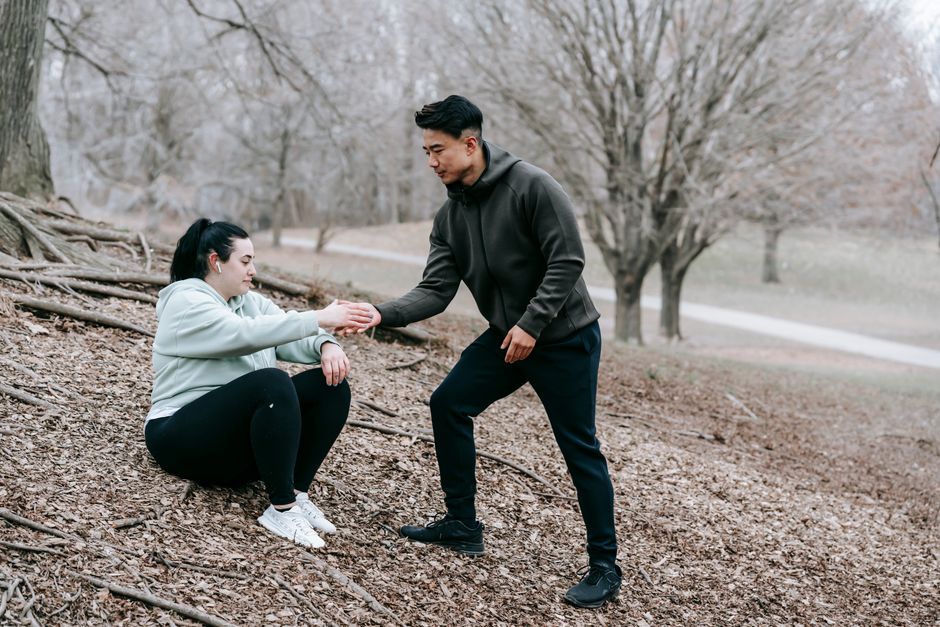
A concussion is a mild traumatic brain injury that needs real care, not just rest. What helps a concussion is a short period of physical and cognitive rest, followed by a slow, guided return to normal activity. Most people recover fully within a few weeks, but the approach matters more than most people realize.
What Is a Concussion and Why Does It Happen?
A concussion happens when a blow to the head or body makes the brain move quickly inside the skull. That movement stretches and damages brain cells. It is not a structural injury like a bruise or a bleed. It is a functional injury, meaning the brain’s chemistry and energy use are temporarily disrupted.
You do not have to lose consciousness to have a concussion. In fact, most concussions do not involve passing out. You also do not need to hit your head directly. A sudden whiplash-type motion can cause the brain to shift enough to produce symptoms.
The brain needs energy to heal. After a concussion, the brain is less efficient at using energy. That is why mental and physical activity can make symptoms worse in the first few days. The brain simply does not have the reserves it normally has.
What Helps A Concussion in the First 48 Hours
The first two days after a concussion are about reducing demand on the brain. This is not strict bed rest. Complete darkness and isolation are no longer recommended. But you should keep activity light.
Physical rest means avoiding exercise, heavy lifting, and sports. It also means limiting activities that require balance, like riding a bike or climbing ladders. Your brain coordinates movement, and that coordination is temporarily impaired.
Cognitive rest means limiting tasks that require focus. Reading for long periods, homework, complex work tasks, and intense screen time can all increase symptoms. Short bursts of light activity are fine. The goal is to avoid pushing into significant symptom flares.
Sleep is one of the most effective tools. The brain clears waste products and repairs itself during sleep. Do not wake someone repeatedly through the night to check on them unless a doctor has told you to. That old practice is no longer standard. If the person is breathing normally and can be roused, let them sleep.
Avoid alcohol and recreational drugs in the first week. They interfere with brain recovery and can mask or mimic concussion symptoms. Do not take ibuprofen or aspirin in the first 48 hours unless a doctor approves. These medications can increase bleeding risk. Acetaminophen is generally considered safer for headache in the early period, but confirm with a healthcare provider.
When to Seek Emergency Care
Most concussions do not require an emergency room visit. But some do. Call 911 or go to an emergency department if any of the following occur:
- Loss of consciousness lasting more than one minute
- Repeated vomiting
- Seizures
- Worsening headache that will not go away
- Slurred speech or weakness in an arm or leg
- Confusion that gets worse, not better
- Unequal pupil size
- Inability to recognize people or places
These signs can indicate a more serious injury, such as bleeding around the brain. Do not wait to see if symptoms improve. Emergency evaluation is the right call.
Children and older adults need extra caution. Their brains respond differently to injury, and their symptom reports may be less reliable. When in doubt, get evaluated.




Returning to Normal Activity After a Concussion
After the first 48 hours, the approach shifts. Strict rest beyond a few days can actually slow recovery. The brain needs gradual stimulation to rebuild tolerance. This is called sub-symptom threshold activity. You do activity up to the point where symptoms begin, then you stop and rest.
Start with light daily activities like walking or doing simple chores. If symptoms stay stable or improve, add a little more. If symptoms spike significantly, step back and rest. This is not a linear process. Some days will be better than others.
Screen time is not automatically harmful. The problem is prolonged, intense focus. Short sessions with breaks are generally acceptable. If screens consistently worsen symptoms, limit them and slowly rebuild tolerance.
Returning to work or school requires a graded approach. Many people need short days, reduced workload, or extra breaks for the first week back. Pushing through symptoms to prove you are fine usually backfires. It extends the recovery window.
Returning to Sports and Exercise Safely
Exercise is important for recovery, but timing matters. Light aerobic exercise, like walking or using a stationary bike at low intensity, can begin once symptoms are improving and a healthcare provider clears it. This is typically after the first few days, not on day one.
Returning to contact sports follows a formal stepwise protocol. The standard progression moves from light aerobic activity to sport-specific training to non-contact drills to full contact practice to game play. Each step requires at least 24 hours and no symptom return. Missing steps or rushing the timeline increases the risk of a second concussion. A second concussion during the recovery window can cause more severe and longer-lasting symptoms.
Do not return to play on the same day as the injury. This is non-negotiable. The brain needs time to assess the injury before any physical stress is added. Youth athletes should always be cleared by a professional trained in concussion management before returning to contact sports.
How Long Does Concussion Recovery Take?
Most adults recover within 7 to 14 days. Most children and teenagers take a bit longer, often 2 to 4 weeks. These are general ranges. Some people recover in days. Others take months. Neither is necessarily abnormal.
Prolonged symptoms, lasting beyond three months, are called persistent post-concussion symptoms. This happens in about 10 to 30 percent of cases. The exact percentage varies across studies depending on the population and how symptoms are measured.
People with a history of prior concussions, migraine, anxiety, or depression may take longer to recover. That does not mean recovery will not happen. It means the healing process may need more time and more structured management.
Age also matters. Older adults may recover more slowly because of natural age-related changes in brain resilience. Children’s brains are still developing, which changes how they respond to injury.
What Does Not Help a Concussion
Several popular remedies have no evidence behind them. Hyperbaric oxygen therapy, special supplements, and “brain-boosting” drinks have not been shown in clinical trials to speed concussion recovery. Some of these treatments are expensive and marketed directly to worried families. No large, well-controlled study has confirmed their benefit.
Complete strict rest for more than a few days is also not helpful. Research has shifted away from prolonged isolation and dark rooms. Extended rest can lead to deconditioning, mood changes, and increased sensitivity to light and noise. The current evidence supports early, gentle activity within symptom limits.
Caffeine is not specifically harmful after a concussion, but it can interfere with sleep. If you use caffeine, keep your normal amount and avoid it late in the day. Sleep quality matters more than caffeine avoidance.
Do not rely on over-the-counter supplements claiming to “protect” the brain after injury. Ingredients like omega-3s and creatine are studied for brain health, but no supplement has been proven to treat acute concussion. If you are considering any supplement, discuss it with a doctor first.
Frequently Asked Questions
How soon can I return to work after a concussion?
Most people can return to light work within a few days, but often with reduced hours or modified tasks. Full cognitive workload may take 1 to 2 weeks to tolerate comfortably.
Can I sleep after a concussion?
Yes, sleep is essential for brain recovery. You do not need to wake someone every hour unless a doctor specifically advised it for a more serious injury.
Is screen time bad after a concussion?
Short sessions with breaks are generally fine, but prolonged intense screen use can worsen symptoms. Reduce screen time if it triggers headaches or dizziness, then gradually rebuild tolerance.
When can I exercise after a concussion?
Light aerobic exercise can begin once symptoms are improving, usually after the first few days, with healthcare provider approval. Contact sports require a formal stepwise return protocol over at least several days.
