
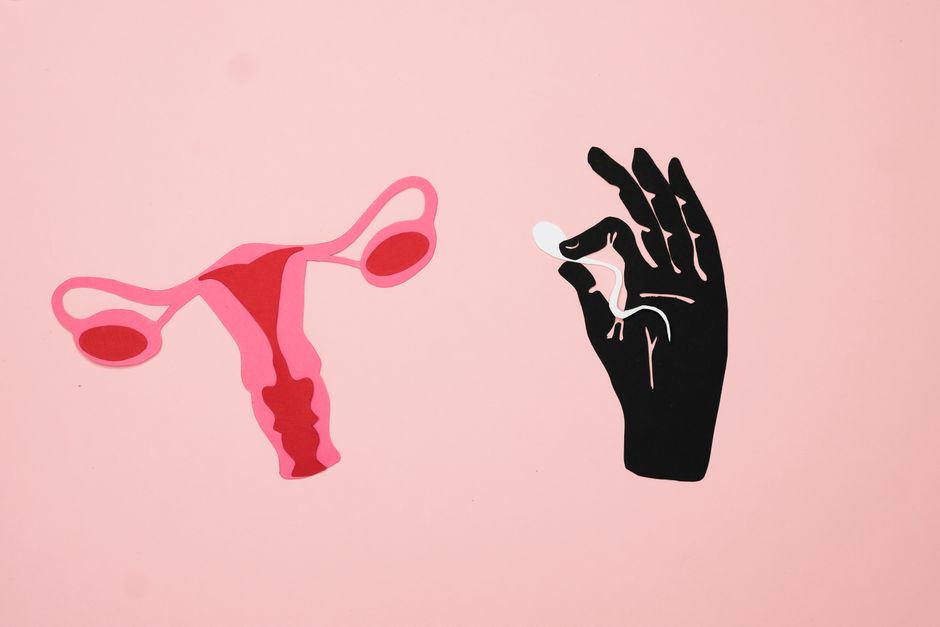
Every human life starts with a single cell that already knows what to do next. Once a sperm fertilizes an egg, that cell begins dividing within about a day, travels down the fallopian tube toward the uterus, and by roughly six days after fertilization it implants into the uterine lining. From there it sends chemical signals, builds a placenta, and grows through a defined sequence of stages that takes about nine months.
What Happens To A Fertilized Egg In A Human?
Fertilization usually happens in the fallopian tube, not the uterus. The sperm and egg merge into a single cell called a zygote, which contains a full set of 46 chromosomes — 23 from each parent. This is the moment a new genetic blueprint forms.
What follows is a tightly timed sequence. The zygote divides into two cells, then four, then eight, without growing larger overall. It stays roughly the same size as the original egg while cell number climbs. This early ball of cells is called a morula, and later a blastocyst.
Meanwhile, tiny hair-like structures called cilia line the fallopian tube. They sweep the dividing cluster gently toward the uterus. This journey takes several days. The cluster is not yet attached to the mother’s body — it survives on nutrients stored inside the egg itself.
Around day five or six, the cluster reaches the uterus and begins to implant into the lining. Implantation is the point where pregnancy becomes established, because the cluster now draws oxygen and nutrients directly from the mother.
How Does A Single Cell Become Many Cells So Quickly?
The first few days are about multiplication, not growth. The zygote divides on a schedule driven by its own internal clock, not by signals from the mother. Each division is called cleavage.
A key detail: the cells divide without the whole cluster getting bigger. So a four-cell embryo is about the same size as the original fertilized egg. This matters because the cluster has to stay small enough to travel through the fallopian tube.
By around day four, the cells start to specialize. They form two distinct groups:
- An outer layer that will become the placenta and supporting tissues
- An inner cluster that will become the embryo itself
This is the blastocyst stage. It is a hollow ball with a fluid-filled cavity and a small clump of cells tucked to one side. That inner clump is the part that becomes a baby. The outer cells become the life-support system.
This specialization is one of the earliest decisions in development, and it happens before the cluster has even attached to the mother.
How Does Implantation Work?
Implantation is an active process, not a passive settling. The blastocyst hatches out of a thin shell called the zona pellucida, then attaches to the uterine lining. It uses enzyme-like molecules to work its way into the tissue.
Once embedded, the outer cells begin releasing a hormone called human chorionic gonadotropin (hCG). This is the hormone pregnancy tests detect. It signals the ovary to keep producing progesterone, which prevents the uterine lining from shedding.
Implantation usually completes around 8 to 10 days after fertilization. Timing varies between people, and that variation is normal.
Not every fertilized egg implants. Many do not, often because of chromosomal errors in the dividing cells. These losses typically happen before a person knows they are pregnant, sometimes before a missed period. This is common and does not usually signal a fertility problem.





What Are The Main Stages Of Early Development?
After implantation, the cluster is officially an embryo. Development follows a recognizable timeline, though exact timing shifts slightly from person to person.
| Stage | Approximate timing after fertilization | What is forming |
|---|---|---|
| Zygote | Day 0 | Single fertilized cell, 46 chromosomes |
| Cleavage | Days 1–3 | 2, then 4, then 8 cells |
| Morula | Day 4 | Solid ball of cells |
| Blastocyst | Days 5–6 | Hollow ball, inner and outer cell groups |
| Implantation | Days 6–10 | Attaches to uterine lining, hCG rises |
| Embryonic period | Weeks 3–8 | Major organs and body structures begin forming |
| Fetal period | Week 9 to birth | Growth and maturation of formed structures |
The embryonic period is when the basic body plan takes shape — the heart, nervous system, limbs, and facial structures all begin forming. The fetal period is mostly about growth and refinement of structures that already exist.
What Does The Placenta Do?
The placenta is the interface between the embryo and the mother. It forms from the outer cells of the blastocyst, not from the mother’s tissue. This is a common point of confusion — the placenta is fetal tissue that grows into the uterine wall.
It handles several jobs at once:
- Delivers oxygen and nutrients from the mother’s blood
- Removes carbon dioxide and waste products
- Produces hormones that maintain the pregnancy
- Acts as a partial barrier, though many substances can cross it
The mother’s blood and the embryo’s blood do not directly mix. They are separated by a thin membrane where exchange happens. This separation is important, but it is not absolute. Alcohol, some medications, and certain infections can cross the placenta and affect the developing embryo or fetus.
What Can Affect Early Development?
Early development is sensitive to certain exposures, especially during the embryonic period when organs are forming. This is why some medications and substances carry warnings during pregnancy.
Factors that can influence early development include:
- Alcohol, which is associated with a range of developmental effects
- Certain medications that cross the placenta
- Some infections during pregnancy
- Chromosomal errors in the dividing cells
Chromosomal errors are the most common cause of early pregnancy loss. Most happen by chance and are not linked to anything the mother did or did not do. This is a point worth stating plainly, because blame is often misplaced.
Many pregnancies are lost before a person even knows they are pregnant. Estimates vary, but early loss is common and does not usually indicate a lasting fertility issue.
How Long Until The Embryo Becomes A Fetus?
The change from embryo to fetus happens at the end of the eighth week after fertilization. At that point, the major organ systems have begun to form, and the focus shifts to growth and maturation.
This timing is based on fertilization age. Clinical pregnancy dating often counts from the first day of the last menstrual period, which adds about two weeks. So the same point in development may be called “10 weeks” in a clinical setting and “8 weeks” by fertilization age. Both are correct — they just use different starting points.
By the end of the embryonic period, the heart is beating, limb buds have formed into recognizable arms and legs, and facial features are taking shape. From there, the fetus grows in size and its organs mature until birth.
Frequently Asked Questions
How long does it take for a fertilized egg to implant?
Implantation usually completes around 8 to 10 days after fertilization. Timing varies between people, and that variation is normal.
Where does fertilization normally happen?
Fertilization usually happens in the fallopian tube, not the uterus. The fertilized egg then travels toward the uterus over several days before implanting.
What is a blastocyst?
A blastocyst is the hollow ball of cells that forms about five to six days after fertilization. It has an outer layer that becomes the placenta and an inner cluster that becomes the embryo.
Can a fertilized egg fail to implant?
Yes, and it is common. Many fertilized eggs do not implant, often because of chromosomal errors in the dividing cells, and these losses typically happen before a person knows they are pregnant.
