
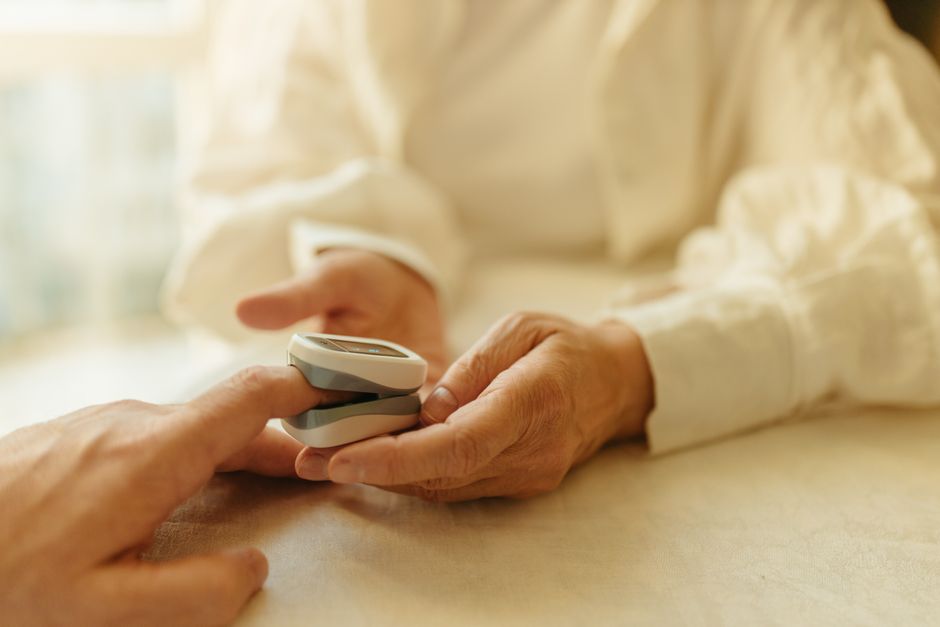
Your oxygen levels naturally dip slightly during sleep, but significant drops can signal an underlying problem. Low nocturnal oxygen levels happen when your blood oxygen saturation falls below normal during sleep, often due to conditions like sleep apnea, chronic lung disease, or changes in breathing control. These nighttime drops can strain your heart and brain over time if left untreated.
What Causes Low Nocturnal Oxygen Levels?
Low nocturnal oxygen levels are most commonly caused by obstructive sleep apnea. In this condition, the throat muscles relax too much during sleep, blocking the airway. Each time the airway closes, breathing stops for 10 seconds or longer, causing oxygen levels to drop. The brain then briefly wakes you to reopen the airway, but this cycle repeats hundreds of times a night.
Other common causes include central sleep apnea, where the brain fails to send proper signals to the muscles that control breathing. Chronic obstructive pulmonary disease (COPD) can also cause nighttime oxygen drops because the lungs cannot exchange oxygen effectively. Obesity hypoventilation syndrome — when excess weight makes it hard to breathe deeply enough — is another frequent cause.
Sleep-related hypoventilation from conditions like neuromuscular diseases or chest wall deformities can also lower oxygen levels at night. Less commonly, heart failure leads to fluid buildup in the lungs that interferes with oxygen exchange during sleep.
How Does Sleep Affect Your Breathing and Oxygen Levels?
During sleep, your breathing naturally slows and becomes more shallow. Your body’s drive to breathe decreases, and your muscles relax — including the muscles in your throat. For most people, these changes are mild and don’t cause problems. But for someone with a pre‑existing lung or airway condition, even a small change in breathing can tip oxygen levels below normal.
Rapid eye movement (REM) sleep, the stage when dreaming occurs, is especially risky. During REM, your body’s muscles are temporarily paralyzed except for the diaphragm and eyes. This paralysis can make it harder to maintain an open airway and deeper breaths. Oxygen levels often reach their lowest point during REM sleep.
Sleep position also plays a role. Lying on your back (supine position) makes it easier for the tongue and soft palate to collapse backward, narrowing the airway. This is why many people with sleep apnea desaturate more when sleeping on their back.
Common Medical Conditions That Lead to Nocturnal Hypoxemia
Several medical conditions are strongly linked to low oxygen levels at night:
- Obstructive sleep apnea (OSA) — the most common cause, affecting an estimated 25 million adults in the U.S.
- Central sleep apnea — often seen in people with heart failure, stroke, or opioid use
- Chronic obstructive pulmonary disease (COPD) — lung damage reduces oxygen exchange, and nighttime breathing may worsen it
- Obesity hypoventilation syndrome — poor breathing mechanics due to excess abdominal and chest wall weight
- Congestive heart failure — fluid in the lungs and poor cardiac output disrupt oxygenation
- Neuromuscular disorders — such as ALS, muscular dystrophy, or myasthenia gravis, which weaken breathing muscles
- Aging — normal age‑related changes in lung function and airway tone can increase risk
Some people have more than one condition at the same time. For example, about 10–15% of people with COPD also have obstructive sleep apnea, a combination called overlap syndrome.




What Are the Symptoms of Low Oxygen at Night?
Low nocturnal oxygen levels often do not wake you fully, so you may not realize they are happening. But you might notice the effects in the morning or during the day. Common symptoms include:
- Waking up with a headache — caused by dilation of blood vessels in response to low oxygen
- Morning confusion or brain fog
- Daytime sleepiness or fatigue even after what seemed like a full night of sleep
- Waking up gasping or choking
- Loud, disruptive snoring
- Witnessed pauses in breathing by a bed partner
- Frequent trips to the bathroom at night (nocturia) — low oxygen can trigger the heart to release a hormone that increases urine production
Severe nocturnal hypoxemia can cause more serious problems over time, including high blood pressure, heart arrhythmias, and an increased risk of stroke. However, not everyone with low nocturnal oxygen has obvious symptoms. Some people — especially older adults — may only have vague complaints of fatigue or poor concentration.
How Is Nocturnal Hypoxemia Diagnosed?
Diagnosis starts with a medical history and sleep‑related questions. Your doctor may ask about snoring, breathing pauses, and daytime sleepiness. They will also check your oxygen levels with a pulse oximeter, a small clip placed on your finger. But a single daytime reading cannot rule out nocturnal hypoxemia because oxygen levels can be normal when you are awake and drop only during sleep.
The most reliable test is a sleep study, called polysomnography. This test records your brain waves, eye movements, heart rate, breathing patterns, and oxygen levels throughout the night. It is usually done in a sleep lab, but home sleep apnea tests are also available for many people. A sleep study can tell your doctor how low your oxygen goes and how often it drops.
If the cause is thought to be lung‑related, your doctor may also order pulmonary function tests to measure how well your lungs work. An arterial blood gas test, which measures oxygen and carbon dioxide directly from blood, can help diagnose hypoventilation.
Treatment Options for Low Nighttime Oxygen Levels
Treatment depends entirely on the underlying cause. For obstructive sleep apnea, the standard treatment is positive airway pressure (PAP) therapy, usually with a CPAP machine. This device delivers a steady stream of air through a mask to keep the airway open. Studies consistently show that CPAP normalizes oxygen levels in most people with moderate to severe OSA.
For central sleep apnea, other PAP devices that adjust pressure in response to breathing patterns may be used. In some cases, supplemental oxygen alone is prescribed, but this does not treat the underlying breathing problem — it only raises the baseline oxygen level.
For people with COPD or obesity hypoventilation syndrome, noninvasive ventilation (such as a BiPAP machine) may be needed. This device delivers a higher pressure when you inhale to support breathing. Weight loss can significantly improve or even resolve hypoventilation and sleep apnea.
Lifestyle changes can also help. Avoiding alcohol and sedative drugs before bed reduces airway muscle relaxation. Sleeping on your side instead of your back can prevent airway collapse in some people. For mild cases, these changes alone may be enough, but most people with significant oxygen drops need medical treatment.
No clinical evidence currently supports the use of over‑the‑counter devices, oxygen‑boosting supplements, or herbal remedies for nocturnal hypoxemia. These products are not regulated for this purpose and should not replace a medical evaluation.
When to Talk to a Doctor
You should talk to a doctor if you or your bed partner notice any of the symptoms mentioned above — especially loud snoring with breathing pauses, waking up gasping, or persistent daytime sleepiness. Morning headaches and unexplained fatigue are also worth mentioning. Screening for sleep‑disordered breathing is quick and noninvasive.
If you already have a condition like COPD, heart failure, or neuromuscular disease, ask your doctor whether you need overnight oximetry. Many patients with these conditions — even those with normal daytime oxygen — can have significant nighttime drops that go undetected.
Untreated nocturnal hypoxemia can raise your risk of heart problems, stroke, and cognitive decline over time. But with proper diagnosis and treatment, oxygen levels can be restored to normal, and the long‑term strain on your body can be prevented.
Frequently Asked Questions
Can low oxygen at night cause high blood pressure?
Yes, repeated drops in oxygen trigger the release of stress hormones that raise blood pressure. Over time, untreated nocturnal hypoxemia is linked to hypertension.
What is a dangerous oxygen level during sleep?
Oxygen saturation below 90% is considered hypoxemia. Levels below 88% for five or more minutes during sleep are clinically significant and require medical attention.
Will a pulse oximeter show low oxygen at night?
Yes, a pulse oximeter can detect low oxygen levels during sleep, but it should be used as a screening tool. A sleep study is needed to confirm the cause and guide treatment.
Is nocturnal hypoxemia the same as sleep apnea?
No, it is not the same. Nocturnal hypoxemia is a finding — low oxygen during sleep. Sleep apnea is one possible cause, but lung disease and other conditions can also cause it.
