
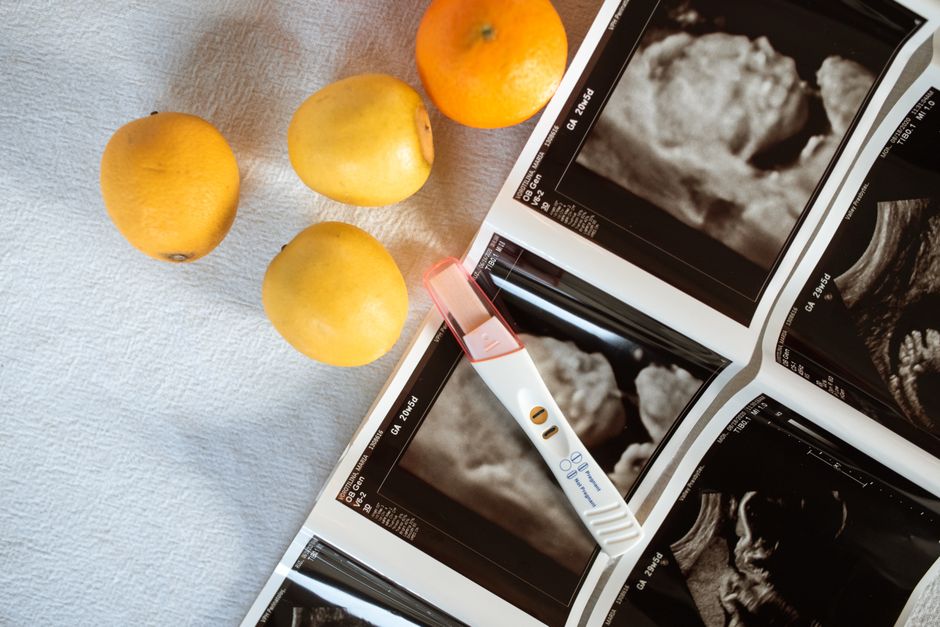
An ectopic pregnancy ends in one of three ways: the body absorbs it, medication stops the pregnancy’s growth, or surgery removes it. What happens next depends on which of those occurred, and whether a fallopian tube was removed or left in place.
The weeks after treatment are mostly about physical healing and monitoring. A hormone called hCG needs to fall to zero, which confirms no pregnancy tissue remains. Bleeding, cramping, and fatigue are common and usually temporary. The larger story is about what comes next: when cycles return, whether fertility is affected, and what a future pregnancy will require in terms of early monitoring.
An ectopic pregnancy is one where a fertilized egg implants outside the uterus, most often in a fallopian tube. It cannot survive there, and if it grows large enough it can rupture the tube, which is a medical emergency. The treatment itself is well established. The recovery and long-term picture are what most people want to understand.
What Happens After An Ectopic Pregnancy?
The first priority after any treatment is confirming that the pregnancy is fully resolved. That is done by tracking hCG, the hormone the placenta produces. In a normal pregnancy, hCG rises steadily. After an ectopic pregnancy is treated, it should fall.
If you had surgery to remove the ectopic pregnancy, hCG usually drops quickly, and one follow-up blood test may be enough. If you were treated with methotrexate, a medication that stops cell division and ends the pregnancy, the monitoring is longer. hCG levels are checked on a set schedule over several weeks until they reach zero. This matters because a level that plateaus or rises can mean the treatment did not fully work and more intervention is needed.
Methotrexate is not a one-time fix that can be forgotten. It stays in the body and affects rapidly dividing cells, which is why clinicians advise against certain foods, alcohol, and some medications during the monitoring period. It also means you should not take folic acid supplements or NSAID pain relievers like ibuprofen during that window, because they can interfere with how the drug works. Your clinician will give you a specific list. Follow it exactly.
Physical symptoms in the days and weeks after treatment are expected. Cramping and vaginal bleeding are common. Fatigue is common. Some people feel emotionally raw in a way that surprises them, especially if the pregnancy was wanted. That reaction is not a complication. It is a normal response to a loss, even one that was never viable.
How Long Does Recovery Take?
Most people feel physically back to baseline within two to six weeks, though this varies widely depending on the treatment and the individual.
After surgery, the recovery is often faster in terms of the hormone, but there is a surgical incision to heal and, if a tube was removed, internal healing to complete. Many people return to normal activities within a week or two, though heavy lifting and strenuous exercise may need to wait longer. After methotrexate, the physical recovery can be slower because the medication works gradually and the monitoring stretches over weeks. Some people feel tired and achy for a while.
There is no single timeline that fits everyone. If you had significant internal bleeding before surgery, or if the ectopic was diagnosed late, recovery takes longer. Listen to your body and follow your clinician’s guidance about when to resume exercise, sex, and other activities.
One thing that surprises many people: you can still have a positive pregnancy test for weeks after treatment. That is because the test detects hCG, and hCG takes time to clear. A positive test during this window does not mean you are still pregnant. It means the hormone is still falling. This is why blood tests, not urine tests, are used to track resolution.
Will My Period Come Back?
Your menstrual cycle usually returns within four to six weeks after hCG reaches zero, though the first period can be irregular.
The first bleed after an ectopic pregnancy is often not a true period. It may be withdrawal bleeding from the hormonal changes, or it may be the final clearing of the uterine lining. The first real period can be heavier or lighter than usual, and the timing can shift. Cycles often normalize within a few months.
If you were on hormonal birth control before the ectopic pregnancy and restart it, that will affect when and whether you bleed. If you are not on hormonal contraception, your cycle should reestablish on its own. If you go several months without a period after hCG has returned to zero, that is worth mentioning to your clinician.





Does an Ectopic Pregnancy Affect Fertility?
Many people who have had an ectopic pregnancy go on to have healthy pregnancies. The impact on fertility depends largely on the health of the fallopian tubes and the underlying reason the ectopic happened.
If one tube was removed, you still have the other. As long as the remaining tube is healthy, natural conception is possible. If both tubes are damaged or blocked, or if the ectopic was caused by a condition like endometriosis or pelvic inflammatory disease, fertility may be reduced. This is why some clinicians recommend evaluating the tubes before trying to conceive again, especially if there have been multiple ectopic pregnancies or known tube damage.
Having one ectopic pregnancy does increase the risk of another. That risk is higher if the underlying cause — such as tube damage or a history of pelvic infection — is still present. It is not inevitable. Many people have one ectopic and then carry a normal pregnancy to term.
If you are considering IVF, it is worth knowing that IVF does not eliminate the risk of ectopic pregnancy. The embryo is placed in the uterus, but it can still migrate. The risk is lower than with natural conception in some cases, but it is not zero.
What Should I Know Before Trying to Get Pregnant Again?
Most clinicians recommend waiting until hCG has returned to zero and you have had at least one normal period before trying to conceive again. This is not because pregnancy is dangerous immediately, but because it makes dating a new pregnancy possible and gives your body time to recover.
If you were treated with methotrexate, there is an additional reason to wait. Methotrexate can affect folate metabolism, and folate is critical in early pregnancy for preventing neural tube defects. Clinicians typically advise waiting at least three months after methotrexate before conceiving, and some advise taking a folic acid supplement during that time. Follow your clinician’s specific instructions.
When you do become pregnant again, tell your provider right away. Early monitoring is standard after an ectopic pregnancy. That usually means a blood test to check hCG levels and an early ultrasound to confirm the pregnancy is in the uterus. This is not because something is wrong. It is because early detection of a repeat ectopic pregnancy is safer and allows for treatment before a rupture.
Some people find that the anxiety of a subsequent pregnancy is intense. That is common and understandable. Many clinicians offer extra support, and some people find it helpful to talk to a counselor or join a support group.
What About the Emotional Side?
The emotional aftermath of an ectopic pregnancy is real and often underestimated. You may feel grief, anxiety, anger, or numbness. You may feel relief that the medical crisis is over, and then feel guilty for feeling relief. All of these are normal.
There is no right way to feel. Some people process quickly. Others find that the emotional weight hits weeks or months later. If you are struggling to function, or if feelings of sadness or anxiety persist, talk to your clinician. Perinatal loss support is available, and you do not have to manage this alone.
Partners and family members may also struggle. They may not know what to say or how to help. Sometimes the best thing is simply to acknowledge the loss and ask what the person needs. Silence can feel like dismissal.
When Should I Call a Doctor?
Contact your clinician promptly if you have heavy bleeding that soaks a pad in an hour, severe or worsening abdominal pain, fever, dizziness, or fainting. These can be signs of complications, including incomplete treatment or internal bleeding.
After methotrexate, also report any new or worsening pain, especially on one side, because it can indicate the ectopic is still growing or has ruptured. Do not wait to see if it improves on its own.
If you are unsure whether a symptom is normal, call. It is better to ask than to wait. Your clinician would rather hear from you than have you manage something serious at home.
Frequently Asked Questions
How long does it take for hCG to reach zero after an ectopic pregnancy?
It varies. After surgery, hCG often drops within a week or two. After methotrexate, it can take several weeks, and levels are checked on a schedule until they reach zero.
Can I get pregnant again after an ectopic pregnancy?
Yes, many people do. Fertility depends on the health of your fallopian tubes and the underlying cause, but having one ectopic pregnancy does not mean you cannot conceive again.
When can I try to get pregnant after an ectopic pregnancy?
Most clinicians recommend waiting until hCG is zero and you have had at least one normal period. If you had methotrexate, wait at least three months, as advised by your clinician.
Does an ectopic pregnancy increase the risk of another one?
Yes, having one ectopic pregnancy raises the risk of a future ectopic, especially if tube damage or another underlying condition is present. Early monitoring in a future pregnancy helps detect it quickly.
