
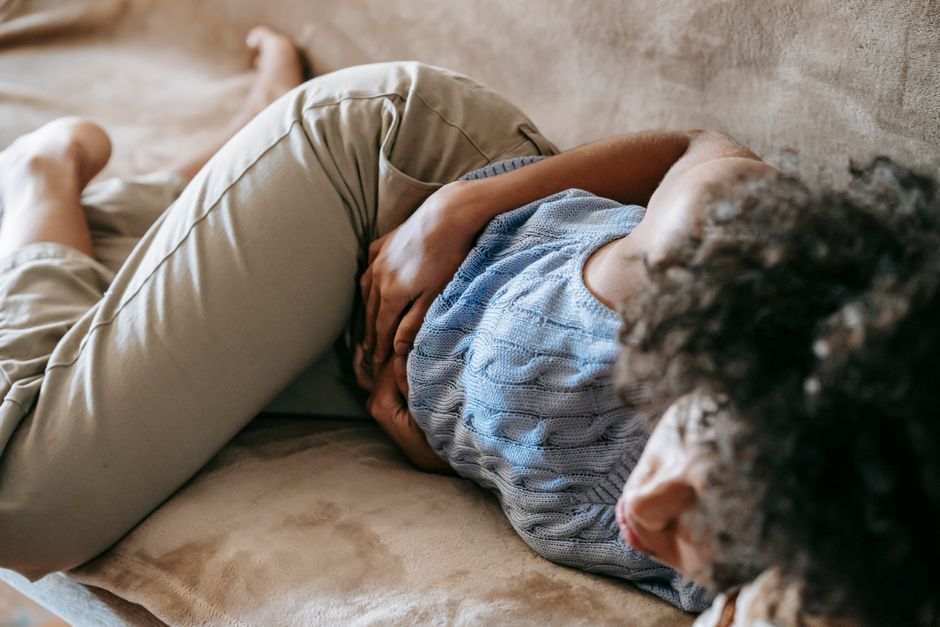
Fibroid pain during pregnancy usually feels like a dull, steady ache or pressure in the lower belly or pelvis, though it can also show up as a sharp, stabbing pain in one specific spot. The pain tends to be localized rather than spread across the whole abdomen, and it often comes with a feeling of heaviness or fullness. Some women describe it as similar to a pulled muscle that will not relax, or a deep cramping that sits in one area and does not move around the way gas or digestive pain does.
That is the short answer. The longer one involves understanding why fibroids behave the way they do during pregnancy, what makes the pain better or worse, and when it stops being a nuisance and starts being something worth calling your doctor about.
What Does Fibroid Pain During Pregnancy Feel Like in Early Pregnancy?
In the first trimester, fibroid pain is often mild or absent entirely. Many women have fibroids and never feel them at all during early pregnancy. When pain does occur, it usually takes one of two forms: a low, persistent pressure that feels like a mild menstrual cramp, or a localized soreness that you can almost point to with one finger.
The reason early pregnancy can trigger symptoms is hormonal. Estrogen and progesterone rise sharply after conception, and fibroids are sensitive to both. They can grow, soften, or change shape in response to these hormones. A fibroid that was silent before pregnancy may start making itself known simply because the hormonal environment has shifted.
It is worth being clear about something: not all early pregnancy pain is fibroid pain. Round ligament pain, normal uterine growth, and digestive changes are all common in the first trimester and can feel similar. A doctor cannot usually tell the difference by description alone. Ultrasound is what confirms whether a fibroid is the source.
What Does Fibroid Pain During Pregnancy Feel Like as the Baby Grows?
Second and third trimester fibroid pain tends to be more noticeable, and the character of it changes. As the uterus expands, it pushes against and stretches the fibroids inside its wall. This can produce a few distinct sensations:
- A constant, dull ache in one area of the lower abdomen or pelvis
- Sharp, intermittent pains that come and go, sometimes triggered by movement or a change in position
- A feeling of pressure or fullness, as if something is pressing outward from inside
- Pain that radiates into the lower back or down one side of the groin
The location matters. Fibroids that sit near the outer surface of the uterus or on a stalk (pedunculated fibroids) are more likely to cause sharp, positional pain. Fibroids embedded deep in the uterine muscle wall tend to cause a broader, duller ache.
One non-obvious point: the size of a fibroid does not reliably predict how much pain it causes. A small fibroid in an awkward location can hurt more than a large one sitting quietly in the uterine wall. Location and how the fibroid responds to pregnancy hormones matter more than raw size.
What Is Fibroid Degeneration and Why Does It Hurt So Much?
The most intense fibroid pain in pregnancy comes from a process called red degeneration. This is the medical term for what happens when a fibroid outgrows its blood supply. As the fibroid enlarges, the blood vessels feeding it cannot keep up, and part of the tissue begins to break down.
Red degeneration typically causes pain that is different from the usual fibroid ache. It is often described as severe, constant, and concentrated in one area. It may come with:
- Fever or chills
- Nausea and vomiting
- Uterine contractions or cramping
- Tenderness in the abdomen that makes even light touch uncomfortable
Red degeneration is most common in the second trimester, though it can happen at any point. The pain can last for several days to a couple of weeks before it settles. It is not usually dangerous to the pregnancy itself, but it is genuinely painful and often requires medical management for symptom relief.
This is the point where self-care stops being enough. If you have severe, unrelenting pain with fever, that is a call to your doctor, not a wait-and-see situation.





How Can You Tell Fibroid Pain Apart From Other Pregnancy Pains?
You often cannot tell on your own, and that is not a failure on your part. Several common pregnancy conditions produce pain that overlaps with fibroid pain. Here is how they tend to differ:
| Type of Pain | Typical Feel | Location |
|---|---|---|
| Fibroid pain | Dull ache or sharp, localized pain | One specific spot in lower belly or pelvis |
| Round ligament pain | Sharp, brief, triggered by movement | Lower sides of the belly, often both sides |
| Braxton Hicks contractions | Tightening, not usually painful | Whole uterus |
| Urinary tract infection | Burning, pressure, urgency | Lower pelvis, bladder area |
| Digestive pain | Cramping, gas-like, moves around | Anywhere in the abdomen |
Fibroid pain tends to stay in one place. It does not migrate the way gas pain does. It is not usually triggered by a specific movement the way round ligament pain is. And it does not come in waves the way contractions do.
That said, these patterns are tendencies, not rules. Only an ultrasound can show whether a fibroid is positioned in a way that explains your pain.
When Should You Call Your Doctor About Fibroid Pain?
Any pain during pregnancy that is severe, getting worse, or accompanied by other symptoms deserves a call. Specifically, contact your doctor if you have:
- Pain that is severe enough to interfere with daily activities or sleep
- Fever of 100.4°F (38°C) or higher
- Nausea and vomiting that will not stop
- Uterine contractions that feel regular or rhythmic
- Bleeding or unusual discharge
- Pain that is sharp and one-sided, which could also indicate other conditions
Some of these symptoms overlap with conditions that are more urgent than fibroid pain, including appendicitis, ovarian torsion, and preterm labor. That is why the advice is to call rather than wait it out. A doctor can rule out the more serious possibilities.
Mild, occasional fibroid discomfort that does not interfere with your day is generally not an emergency. But there is no harm in mentioning it at your next prenatal visit so it is on the record.
What Helps With Fibroid Pain During Pregnancy?
Treatment options during pregnancy are limited because many standard fibroid treatments are not safe while pregnant. Surgery to remove fibroids (myomectomy) is generally avoided during pregnancy unless there is a serious complication. Medications that shrink fibroids are also typically not used.
What doctors can offer is symptom management. Depending on the situation, some clinicians recommend acetaminophen for pain relief, since it is generally considered the safest pain reliever during pregnancy. Always confirm with your own doctor before taking any medication.
Other approaches that some women find helpful include:
- Rest and avoiding strenuous activity during flare-ups
- Applying a heating pad to the sore area on a low setting
- Gentle position changes to take pressure off the affected side
- Staying hydrated and eating regular meals to avoid adding digestive discomfort on top of fibroid pain
These are comfort measures, not treatments. They do not shrink fibroids or resolve the underlying issue. They may make the pain more manageable while it runs its course.
In severe cases, especially with red degeneration, hospitalization may be needed for stronger pain control and monitoring. This is uncommon but not rare.
Does Fibroid Pain During Pregnancy Mean Something Is Wrong With the Baby?
Fibroid pain itself does not harm the baby. The pain comes from the fibroid, not from the uterus or the pregnancy. Most women with fibroids go on to have healthy pregnancies and healthy babies.
However, fibroids are associated with a higher risk of certain pregnancy complications. Research consistently shows that women with fibroids have a somewhat increased risk of preterm birth, breech presentation, and cesarean delivery. The evidence on whether fibroids increase the risk of miscarriage is more mixed, with some studies suggesting a link and others not finding one.
The important distinction is this: the pain is a symptom, not a direct threat to the baby. But the presence of fibroids does mean your pregnancy may need closer monitoring. Your doctor may recommend extra ultrasounds to track fibroid growth and the baby’s position.
If you have fibroids and you are pregnant, the most useful thing you can do is keep your prenatal appointments and report any new or worsening pain. That way, if something does need attention, it gets caught early.
Frequently Asked Questions
What does fibroid pain during pregnancy feel like?
It usually feels like a dull, steady ache or pressure in one area of the lower belly or pelvis, though it can also be a sharp, stabbing pain. The pain tends to stay in one spot rather than moving around.
How long does fibroid pain last during pregnancy?
Mild fibroid discomfort may come and go throughout pregnancy, often easing as the uterus adjusts. Pain from red degeneration typically lasts several days to a couple of weeks before settling.
Can fibroid pain during pregnancy harm the baby?
No, the pain itself does not harm the baby. However, fibroids are linked to a higher risk of certain complications like preterm birth and breech position, so closer monitoring may be recommended.
When should I worry about fibroid pain during pregnancy?
Call your doctor if the pain is severe, getting worse, or comes with fever, vomiting, bleeding, or regular contractions. These symptoms can also point to other conditions that need urgent care.
