
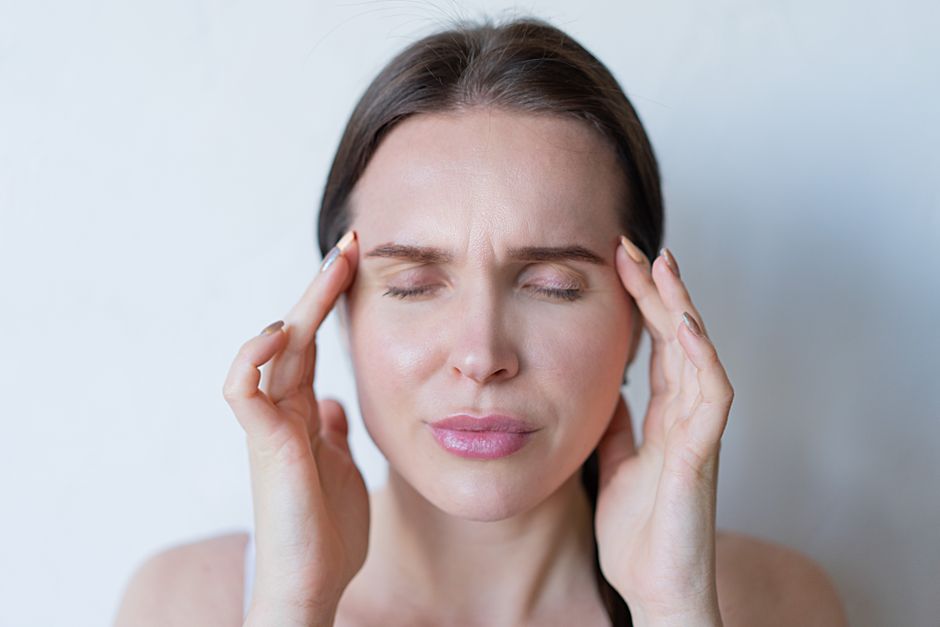
Most headaches fade on their own, but you do not have to wait them out. For a common tension headache or migraine, the fastest relief usually comes from treating it early with an over-the-counter pain reliever, resting in a quiet dark room, and applying a cold or warm compress. There is no single fix that works for everyone, because headaches have different causes and respond to different approaches.
The type of headache matters more than most people realize. What helps a tension headache may do little for a migraine, and some headaches signal a problem that needs medical care rather than a home remedy. Knowing what you are dealing with is the first step toward getting rid of it faster.
What get rid of headaches fast at home?
Home remedies work best when a headache is mild to moderate and caught early. Acting in the first 20 to 30 minutes often makes the difference between a headache that fades and one that builds.
The most reliable home measures include:
- Over-the-counter pain relievers. Ibuprofen, acetaminophen, aspirin, and naproxen sodium are the standard options. Taking them at the first sign of a headache works better than waiting until it peaks.
- Cold or warm compresses. A cold pack on the forehead or temples tends to help migraines. Warm compresses on the neck and shoulders often help tension headaches by relaxing tight muscles.
- A dark, quiet room. Light and sound make migraines worse for many people. Reducing both can shorten an attack.
- Hydration. Dehydration is a common and easily fixed trigger. Drinking water may resolve a headache caused by fluid loss.
- Sleep or rest. Poor sleep and fatigue trigger headaches. A short rest sometimes ends one.
- Caffeine. A small amount of caffeine can ease a headache and is included in some combination pain relievers. It can also cause rebound headaches if used too often.
One clarification worth knowing: caffeine cuts both ways. It narrows blood vessels and can relieve a headache in the moment, but regular daily use can lead to medication-overuse headaches. That is a real and common problem, not a rare one.
Which over-the-counter medication works fastest?
There is no single fastest option for everyone. Speed depends on the headache type, how early you take it, and how your body absorbs the drug.
In general, medications taken as a liquid, a rapidly dissolving tablet, or a powder tend to be absorbed faster than standard tablets. Ibuprofen and naproxen sodium are anti-inflammatory drugs, so they may work better for headaches with an inflammatory component. Acetaminophen works differently and is often gentler on the stomach.
Some combination products pair a pain reliever with caffeine, which can speed relief for some people. If you take these often, talk with a pharmacist or doctor about how frequently is safe.
Two cautions apply to everyone:
- Do not exceed the dose on the label. Acetaminophen in particular can harm the liver at high doses, and it appears in many products, so it is easy to double up without realizing it.
- Using pain relievers more than a few days a week can cause medication-overuse headaches. If you find yourself reaching for them constantly, that is a signal to get medical advice rather than take more.
What helps a migraine versus a tension headache?
These two headache types respond to different strategies, and treating the wrong one can waste time.
Tension headaches usually feel like a tight band around the head. They often respond to warmth, gentle stretching of the neck and shoulders, stress reduction, and standard pain relievers.
Migraines often come with throbbing pain on one side, nausea, and sensitivity to light and sound. They tend to respond better to cold compresses, a dark room, and early treatment. For frequent or severe migraines, prescription medications exist, including drugs specifically designed to stop a migraine attack. These require a doctor’s evaluation.
If you get migraines often, a doctor can also discuss preventive treatment, which aims to reduce how many you get rather than just treating each one.





When is a headache a medical emergency?
Most headaches are not dangerous. A small number are, and the difference matters.
Seek emergency care for a headache that:
- Comes on suddenly and severely, like a thunderclap
- Comes with fever, stiff neck, confusion, or a rash
- Follows a head injury
- Comes with weakness, numbness, trouble speaking, or vision loss
- Is new and severe after age 50
- Gets steadily worse over days or weeks
These signs can point to serious conditions such as bleeding in the brain, infection, or a stroke. Do not wait to see if they pass. This is one area where being cautious is always the right call.
What causes headaches in the first place?
Understanding the cause helps you treat the right thing. Headaches fall into two broad groups.
Primary headaches are not a symptom of another condition. Tension headaches, migraines, and cluster headaches are the main types. They involve nerve and blood vessel activity in the brain and surrounding tissues, though the exact mechanisms differ by type.
Secondary headaches are caused by something else, such as dehydration, illness, medication side effects, sinus problems, or, rarely, a more serious condition.
Common triggers for primary headaches include:
- Stress and muscle tension
- Poor or irregular sleep
- Dehydration
- Skipped meals
- Certain foods and alcohol
- Hormonal changes
- Eye strain and screen time
Tracking when headaches happen can reveal a pattern. Many people find a trigger they never suspected once they write it down.
Can prevention reduce how often you need fast relief?
Prevention does not get rid of a headache you already have, but it can reduce how often you need to treat one. That matters because frequent pain reliever use can itself cause headaches.
Steps that help many people:
- Keep a consistent sleep schedule
- Eat regular meals and stay hydrated
- Manage stress with techniques that work for you
- Limit caffeine and alcohol if they trigger your headaches
- Take breaks from screens and adjust your workstation
- Get regular physical activity
If headaches happen often enough to affect your daily life, that is worth a medical visit. Frequent headaches are common and treatable, and a doctor can help identify triggers and discuss options beyond over-the-counter relief.
Frequently Asked Questions
What is the fastest way to get rid of a headache?
Treating it early with an over-the-counter pain reliever, resting in a dark quiet room, and applying a cold or warm compress are the fastest home measures for most common headaches. If a headache is severe or unusual, seek medical care instead.
Does drinking water get rid of a headache fast?
If dehydration is the cause, drinking water can help resolve the headache. For headaches from other causes, hydration alone usually will not stop the pain.
How many days a week can I take pain relievers for headaches?
Using over-the-counter pain relievers more than a few days a week can lead to medication-overuse headaches. If you need them that often, talk with a doctor rather than continuing on your own.
When should I worry about a headache?
A sudden severe headache, or one with fever, stiff neck, confusion, weakness, or vision changes, needs emergency care. These signs can indicate a serious condition and should not be waited out.
