
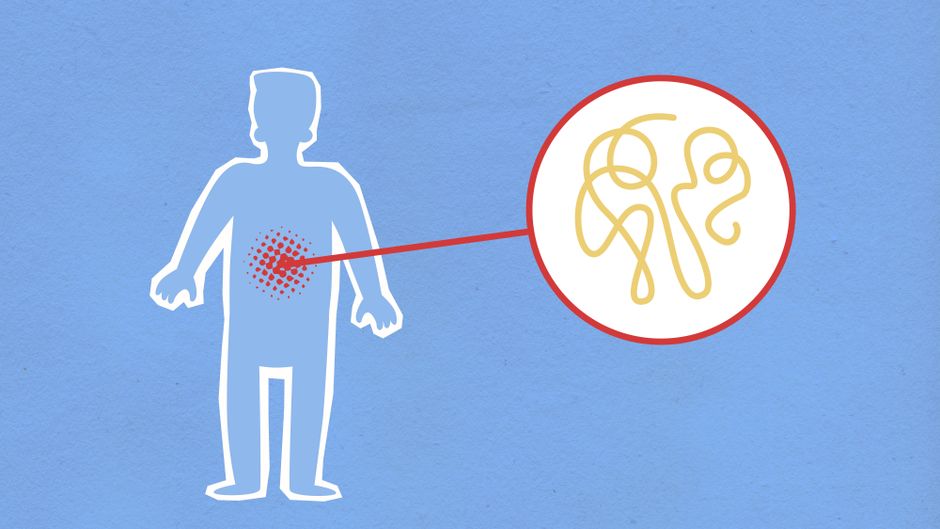
Your stomach is a brutal environment. It produces strong acid and digestive enzymes that break down food and kill most bacteria that enter with it. The acidic environment, often with a pH between 1.5 and 3.5, acts as the body’s first major barrier against infection. However, this defense is not absolute. Several types of germs have evolved specific biological mechanisms to survive the stomach’s harsh conditions, and some can even thrive there, leading to illness or long-term health problems.
How Does the Stomach Normally Kill Germs?
The stomach’s main defense is hydrochloric acid. This acid creates a highly acidic environment that denatures proteins and destroys the cell walls of most bacteria. This process is a primary reason why many foodborne infections do not always take hold. The acid is a non-specific killer, meaning it does not target specific germs but attacks the general structure of most of them.
Beyond acid, the stomach also produces pepsin, an enzyme that breaks down proteins. The stomach lining also secretes mucus, which protects the stomach wall from the acid and enzymes. Together, these components form a hostile barrier that most microbes cannot penetrate. The sheer acidity is often enough to neutralize pathogens before they can travel to the intestines.
However, the effectiveness of this barrier depends on several factors. The amount of food in the stomach changes the pH level, making it less acidic after a meal. The type of food consumed also matters. Some foods can buffer the acid, allowing more bacteria to survive the passage into the intestines. Age and overall health also play a role in how much acid the stomach produces.
What Germs Can Survive In Your Stomach? Key Facts
The most well-known survivor is Helicobacter pylori (H. pylori). This bacterium is uniquely adapted to live in the stomach. It produces an enzyme called urease, which converts urea into ammonia. The ammonia neutralizes the acid immediately surrounding the bacterium, creating a safe micro-environment. This allows H. pylori to burrow into the stomach lining and establish a chronic infection.
H. pylori is a major cause of stomach ulcers and is strongly linked to the development of stomach cancer. The World Health Organization classifies it as a Class I carcinogen. It is estimated that a significant portion of the world’s population carries this bacterium, though many never develop symptoms. Its ability to evade the immune system and persist for decades makes it a unique and serious pathogen.
Another group of survivors are certain viruses. Norovirus is highly contagious and can survive stomach acid. It is a leading cause of viral gastroenteritis, commonly known as the stomach flu. Norovirus is also resistant to many common disinfectants, which makes it spread rapidly in closed environments like cruise ships and schools. The virus’s protein shell is stable at low pH levels, protecting its genetic material until it reaches the intestines.
Rotavirus is another viral survivor, though it primarily affects infants and young children. It uses a similar strategy to evade the acidic environment. While less common in adults due to immunity, it remains a significant cause of severe diarrhea in children worldwide.
Why Do Some Bacteria Survive and Others Die?
The difference between survival and death often comes down to specific adaptations. Most bacteria, like Salmonella and E. coli, are vulnerable to acid. They rely on a high infectious dose to cause illness. This means you must consume a large number of these bacteria for enough to survive the stomach and reach the intestines to cause an infection. This is why food poisoning often requires food to be significantly contaminated.
Some bacteria have a temporary stress response. They can sense the acidic environment and activate genes that protect them. This is known as an acid tolerance response. This response is not as effective as H. pylori’s urease mechanism, but it allows some bacteria to survive longer than others. This is why certain strains of E. coli are more likely to cause illness than others.
Another factor is the food matrix. When bacteria are consumed within a fatty or protein-rich meal, they are protected from direct acid contact. The food particles buffer the acid and physically shield the bacteria. This is why the same pathogen might cause illness in one scenario but not another, depending entirely on what was eaten with it.



What Happens When Germs Survive the Stomach?
Once a germ survives the stomach, it moves into the small intestine. This environment is less acidic and rich in nutrients, making it ideal for bacterial growth. The immune system in the intestinal wall mounts a response, which often leads to inflammation. This inflammation is what causes the symptoms of gastroenteritis, such as diarrhea, vomiting, and abdominal cramps.
The severity of the illness depends on the specific germ and the person’s immune status. For example, norovirus causes sudden vomiting and diarrhea that lasts 1 to 3 days. Salmonella can cause fever and diarrhea that lasts up to a week. H. pylori, on the other hand, does not cause immediate illness. It establishes a chronic infection that can cause gastritis or ulcers over years.
Some germs can also cross the intestinal barrier and enter the bloodstream. This is a more serious situation that can lead to systemic infection or sepsis. This is more common in people with weakened immune systems, the elderly, and young children. The stomach is a critical filter, but it is not a perfect one.
Can Stomach Acid Be Too Weak?
Yes. Hypochlorhydria is a condition where the stomach produces too little acid. This is more common in older adults and people taking certain medications. Proton pump inhibitors (PPIs), used for acid reflux, significantly reduce stomach acid production. When acid levels are low, the stomach’s ability to kill germs is reduced, increasing the risk of foodborne infections.
Research has shown that people taking acid-suppressing medications have a higher risk of infections like C. difficile and certain types of bacterial gastroenteritis. The reduction in acid allows more bacteria to survive and reach the intestines. This is a well-documented side effect of long-term PPI use. The balance between managing reflux and maintaining a protective stomach environment is a clinical consideration.
It is also important to note that having “low stomach acid” as a diagnosis is often oversimplified in popular health content. While it is a real condition, self-diagnosis is unreliable. Symptoms of low acid can mimic other digestive disorders. Accurate diagnosis requires medical testing, not guesswork.
How Can You Reduce the Risk of Stomach Infections?
The most effective strategy is to prevent germs from entering the body in the first place. Proper food handling is critical. This includes cooking meat to safe internal temperatures, washing produce, and avoiding cross-contamination between raw and cooked foods. These practices reduce the number of pathogens you ingest, which gives your stomach a better chance of killing them.
Hand hygiene is another key measure. Norovirus, in particular, is resistant to alcohol-based hand sanitizers. Washing hands with soap and water is more effective at removing norovirus particles. This is a specific and important distinction for preventing the spread of viral gastroenteritis.
For travelers, drinking safe water and eating fully cooked foods can prevent exposure to pathogens your stomach has not encountered before. The immune system and stomach acid are not always enough against unfamiliar strains. Prevention is always more reliable than treatment for these infections.
Frequently Asked Questions
Can stomach acid kill all bacteria?
No, stomach acid kills most bacteria but not all. Specific pathogens like H. pylori and norovirus have adaptations that allow them to survive the acidic environment.
What is the most common germ that survives in the stomach?
Helicobacter pylori is the most well-known and common bacterium that lives in the stomach. It can cause chronic infections and ulcers.
Does drinking water weaken stomach acid?
Drinking water temporarily dilutes stomach acid, but the stomach quickly produces more acid to maintain its pH level. This temporary change is not significant enough to increase infection risk in healthy people.
Are people on acid reflux medication at higher risk for stomach infections?
Yes, some studies indicate that long-term use of acid-suppressing medications increases the risk of certain bacterial infections because the stomach’s natural defense is reduced.
