
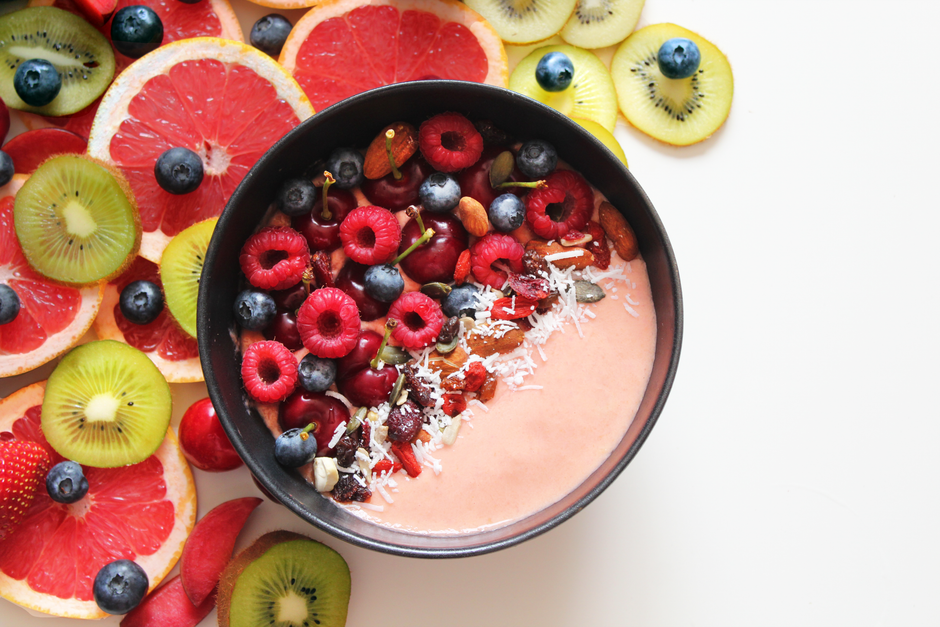
Some fruits can give your metabolism a small, real boost and help your body burn more fat. Grapefruit, berries, apples, and citrus fruits have the strongest evidence behind them. No single fruit will melt fat on its own, but adding these to a balanced diet can support your body’s natural calorie-burning processes.
How Do Fruits Actually Affect Your Metabolism?
Metabolism is the process your body uses to turn food into energy. Everything you eat requires some energy to digest, absorb, and process. This is called the thermic effect of food. Fruits generally have a higher thermic effect than processed foods because your body works harder to break down their fiber and nutrients.
Some fruits contain compounds that may slightly increase your metabolic rate. This means you burn a few more calories at rest. The effect is modest — we are talking about an extra 20 to 50 calories per day, not hundreds. But over weeks and months, small differences add up.
The real power of fruit for metabolism comes from what it replaces. Swapping a sugary snack for an apple cuts calories and adds fiber. That fiber slows digestion and keeps blood sugar steady, which helps your body burn fat more efficiently.
What Fruits Boost Metabolism And Burn Fat According to Research?
Research published in the journal Nutrients found that berries like blueberries and strawberries contain anthocyanins. These compounds may increase fat oxidation — the process of burning fat for energy — by up to 20 percent after a meal. That effect lasted for several hours in the study participants.
Grapefruit has the most consistent evidence for weight management. A study in the Journal of Medicinal Food found that eating half a grapefruit before meals for 12 weeks led to modest weight loss. Participants lost about 3.5 pounds on average. The researchers think compounds in grapefruit may lower insulin levels, which helps the body burn fat instead of storing it.
Apples are rich in pectin, a type of fiber that feeds good gut bacteria. A healthy gut microbiome is linked to a faster metabolism. One large apple provides about 5 grams of fiber. The American Journal of Clinical Nutrition reported that people who ate whole apples felt fuller and ate fewer calories later in the day compared to those who drank apple juice.
Which Fruits Have the Strongest Fat-Burning Claims?
Some fruits get more attention than the evidence supports. Here is a quick comparison of commonly claimed metabolism-boosting fruits.
| Fruit | Claimed Benefit | What Evidence Actually Shows |
|---|---|---|
| Grapefruit | Burns belly fat | Modest weight loss in studies, likely due to lower insulin response |
| Apple cider vinegar (not a fruit, but related) | Boosts metabolism | May slightly lower blood sugar, but no strong evidence for fat burning |
| Berries | Increase fat burning after meals | Small but real increase in fat oxidation, supported by human studies |
| Watermelon | Flushes fat | High water content helps hydration, but no direct fat-burning effect |
| Pomegranate | Burns fat cells | Lab studies show potential, but human evidence is weak |
| Avocado | Speeds up metabolism | Healthy fats support metabolic health, but not a direct fat burner |
As you can see, grapefruit and berries have the best human research. Most other fruits are healthy but overhyped for fat burning.





What About Citrus Fruits and Green Tea?
Citrus fruits like oranges, lemons, and limes contain vitamin C and flavonoids. Some studies suggest that vitamin C helps the body oxidize fat during exercise. People with low vitamin C levels burn 25 percent less fat during moderate exercise, according to research from Arizona State University. Eating citrus fruits can help maintain adequate vitamin C levels.
Green tea is not a fruit, but it is often grouped with metabolism-boosting foods. It contains catechins and caffeine. A meta-analysis in the International Journal of Obesity found that green tea extract increased calorie burning by about 4 percent over 24 hours. That is a small but real effect. Drinking green tea alongside fruit is a reasonable strategy, but do not expect dramatic results.
Some people report that lemon water in the morning kickstarts their metabolism. There is no clinical evidence for this specific claim. Lemon water is hydrating and contains vitamin C, but it does not directly burn fat. The belief likely comes from the idea that lemon water “detoxes” the body, which is not supported by science.
How Should You Eat These Fruits for Best Results?
Whole fruit is always better than juice. Juicing removes most of the fiber, which is the main reason fruit helps with metabolism. A 12-ounce glass of orange juice has about the same sugar as two whole oranges but almost no fiber. You get the calories without the metabolic benefit.
Eat fruit with a source of protein or healthy fat. This combination slows digestion even more and keeps blood sugar stable. For example, have apple slices with almond butter or berries with Greek yogurt. This prevents the blood sugar spike that can happen if you eat fruit alone, especially high-sugar fruits like bananas or grapes.
Timing matters less than total intake. Some people say eating fruit on an empty stomach boosts metabolism. There is no evidence for this. Your body digests fruit the same way regardless of when you eat it. The exception is eating fruit right before a workout, which provides quick energy for exercise.
Portion sizes still count. A serving of fruit is about one cup or one medium piece. Eating three to four servings per day is a reasonable target for most people. More than that can add extra calories that offset any metabolic benefit.
Common Misconceptions About Fruits and Fat Burning
The biggest myth is that certain fruits “burn” fat directly. No food can do this. Fat loss happens when you consistently eat fewer calories than you burn. Fruits can help by replacing higher-calorie foods and providing fiber and nutrients that support metabolic health.
Another myth is that fruits with high water content like watermelon or cantaloupe flush fat out of your body. Your body does not “flush” fat. Fat is burned through oxidation and released as carbon dioxide when you breathe. Water-rich fruits help with hydration, which supports overall metabolism, but they do not wash fat away.
Some people avoid fruit because of its sugar content. This is unnecessary for most people. The sugar in whole fruit comes packaged with fiber, water, and nutrients that slow its absorption. The sugar in a candy bar hits your bloodstream much faster and causes a bigger insulin spike. Fruit is not the problem — added sugar is.
Avoid any product that claims to contain “metabolism-boosting fruit extracts” in pill form. The FDA does not regulate these supplements the same way as food. Many contain unproven amounts of active compounds or none at all. Stick with whole fruit.
Frequently Asked Questions
How much fruit should I eat per day to boost metabolism?
Three to four servings of whole fruit per day is a reasonable amount for most adults. Eating more than that can add extra calories without additional metabolic benefit.
Can fruit alone help me lose belly fat?
No single food targets belly fat. Overall calorie balance and consistent exercise matter more. Fruit can support fat loss as part of a balanced diet.
Is dried fruit as good as fresh fruit for metabolism?
Dried fruit has less water and more concentrated sugar per bite. A small handful is fine, but fresh or frozen whole fruit is better for metabolic health.
Does eating fruit at night slow down metabolism?
There is no evidence that eating fruit at night slows metabolism. Your body digests food the same way regardless of the time of day.
