
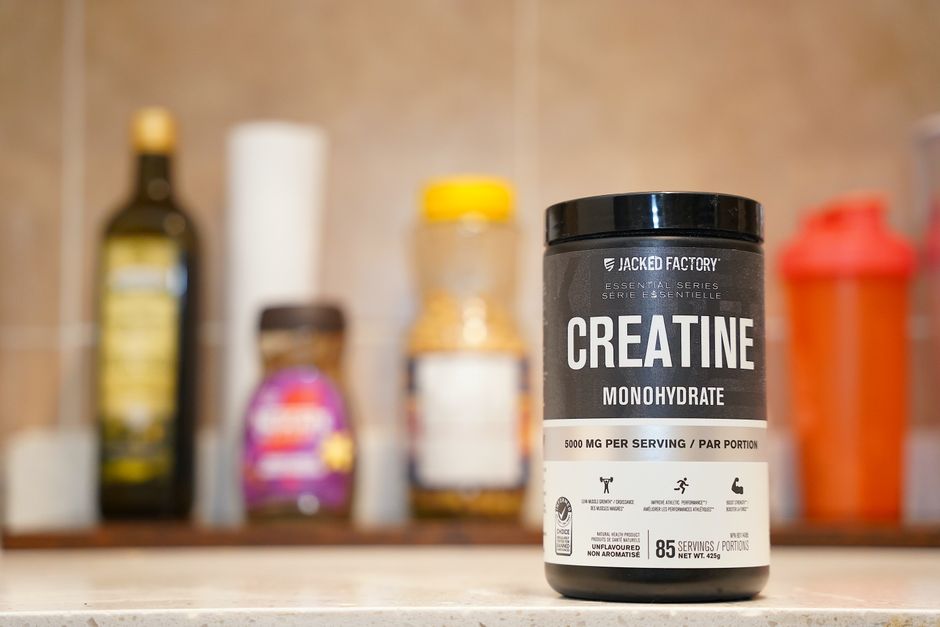
You have probably seen the claims online. Take creatine, lose belly fat. It sounds simple. But the real answer is more complicated. Creatine does not directly burn belly fat. Research shows it can help with body composition changes over time, but it is not a fat burner. If you are looking for a pill that targets stomach fat specifically, creatine is not that. What it can do is support your training, which may lead to fat loss including around your midsection. The key is understanding what creatine actually does and what it does not do.
Does Creatine Actually Help You Lose Belly Fat?
No, not directly. Creatine does not tell your body to burn fat cells in your abdomen. That is not how it works. Creatine helps your muscles produce more energy during high intensity exercise. That is its main job. When you can train harder and recover faster, you build more muscle. More muscle raises your resting metabolism. A higher metabolism burns more calories throughout the day, even when you are sitting still. Over weeks and months, this can lead to overall fat loss. Some of that fat loss may come from your belly. But creatine itself is not targeting belly fat specifically.
Some people report losing belly fat while taking creatine. That is likely because they are also exercising more effectively. The creatine helps them push harder in the gym. The harder training creates a calorie deficit. The calorie deficit causes fat loss. The fat loss includes the belly area for many people. So creatine can be a useful tool in a fat loss plan, but it is not the direct cause.
What Does the Research on Creatine and Belly Fat Actually Show?
Studies have looked at creatine and body composition for decades. The strongest evidence comes from research published in the Journal of Strength and Conditioning Research and similar peer reviewed journals. One meta-analysis reviewed multiple studies and found that creatine supplementation combined with resistance training led to greater increases in lean body mass compared to training alone. It also found small reductions in fat mass in some groups. But the fat loss was modest, usually a few pounds over several months.
Another study in the Journal of the International Society of Sports Nutrition looked at older adults. Participants who took creatine and did resistance training lost more body fat than those who only trained. The fat loss was not specific to the belly. It was total body fat. The researchers noted that the effect was likely due to increased muscle mass and higher energy expenditure during exercise. No study has shown that creatine targets belly fat directly. The fat loss happens because of the training, not the supplement alone.
It is also worth noting that creatine can cause water retention in muscles. This can make the scale go up by a few pounds in the first week. Some people misinterpret this as gaining fat. It is not fat. It is water inside your muscle cells. This water retention actually makes muscles look fuller, not fatter. Do not let the scale scare you off.
How Does Creatine Affect Your Metabolism and Fat Burning?
Creatine helps your body produce ATP, which is the energy currency of your cells. During short bursts of intense exercise like weightlifting or sprinting, your muscles use ATP quickly. Creatine phosphate helps regenerate ATP so you can keep going. This means you can lift heavier weights or do more reps. Over time, this stimulates muscle growth.
Muscle tissue burns more calories than fat tissue, even at rest. One pound of muscle burns about 6 to 7 calories per day. One pound of fat burns about 2 to 3 calories per day. That difference adds up. If you gain 3 to 5 pounds of muscle from consistent training and creatine use, your resting metabolism increases by roughly 15 to 30 calories per day. That is not a huge number on its own. But combined with the extra calories burned during harder workouts, it creates a meaningful calorie deficit over weeks and months.
The American Council on Exercise notes that building muscle is one of the most effective ways to increase metabolic rate. Creatine supports that process. But it does not directly speed up your metabolism like caffeine or certain thermogenic supplements. It works indirectly by helping you build the tissue that burns more calories.




What Actually Works for Losing Belly Fat?
Belly fat is stubborn for a reason. Visceral fat, the kind stored deep in your abdomen around your organs, is more metabolically active than subcutaneous fat. It responds to stress hormones and insulin levels. To lose it, you need a calorie deficit combined with strategies that improve insulin sensitivity and reduce cortisol.
Here is what research consistently shows works:
- Resistance training builds muscle and increases metabolism. Compound exercises like squats, deadlifts, and presses are most effective.
- High intensity interval training burns calories quickly and improves insulin sensitivity. Studies show it reduces visceral fat more than steady state cardio.
- Protein intake helps preserve muscle during a calorie deficit. Aim for 0.7 to 1 gram per pound of body weight daily.
- Sleep of 7 to 9 hours per night lowers cortisol. High cortisol is linked to more belly fat storage.
- Stress management through walking, meditation, or hobbies reduces cortisol levels. Chronic stress is a direct driver of visceral fat gain.
Creatine fits into this picture as a support tool. It helps with the resistance training part. It does not replace any of the other factors. If your diet is poor, your sleep is short, and your stress is high, creatine will not make your belly fat disappear.
Should You Take Creatine for Fat Loss?
That depends on your goals and your training. If you are doing resistance training at least three times per week, creatine can help you get more out of those workouts. More progress in the gym means more muscle gain over time. More muscle means a higher metabolism. That supports fat loss including from your belly. But if you are not strength training regularly, creatine will likely not help you lose fat. You might just retain water and see no change in body composition.
The standard dose is 3 to 5 grams per day. No loading phase is needed. Taking it consistently for several weeks builds up your muscle stores. It is one of the most researched supplements in existence. The International Society of Sports Nutrition states that creatine is safe for healthy adults when taken at recommended doses. Side effects are rare but can include mild digestive upset or muscle cramping. Drinking enough water helps reduce these risks.
There is no evidence that creatine causes fat gain, kidney damage in healthy people, or hair loss despite common myths. Those claims have been studied and not confirmed. If you have a pre existing kidney condition, talk to your doctor before starting any supplement including creatine.
Common Misconceptions About Creatine and Belly Fat
One of the biggest myths is that creatine makes you look bloated or puffy. The water retention from creatine happens inside your muscle cells, not under your skin. Your muscles look fuller, not your belly. This is different from the bloating caused by high sodium or carbohydrate intake. If you feel bloated after starting creatine, check your water intake. You may need to drink more.
Another myth is that creatine burns fat directly. Some supplement companies market it as a fat burner because they want to sell more product. The Federal Trade Commission has taken action against companies that make false weight loss claims about supplements. Creatine is not a fat burner. It is a performance enhancer. That distinction matters.
Some people also believe that you need to cycle creatine or take breaks from it. Research shows that long term use is safe and effective. There is no benefit to stopping and starting. You can take it continuously as long as you are training. Your muscle stores will stay saturated and you will keep getting the performance benefits.
Comparison: Creatine vs. Other Belly Fat Supplements
| Supplement | Primary Effect | Evidence for Belly Fat Loss | Safety Profile |
|---|---|---|---|
| Creatine | Improves strength and muscle gain | Indirect via metabolism increase | Well established safe for healthy adults |
| Caffeine | Increases energy and thermogenesis | Modest short term effect | Safe in moderate doses |
| Green tea extract | Mild antioxidant and thermogenic | Weak and inconsistent | Generally safe |
| Conjugated linoleic acid | May reduce fat storage | Small effect in some studies | Safe but may cause digestive issues |
| Forskolin | May increase cAMP levels | Limited evidence | Some safety concerns with long term use |
This table shows that no supplement directly targets belly fat with strong evidence. Creatine stands out because its mechanism is well understood and safe. The others have weaker or inconsistent data. If you are going to spend money on a supplement for body composition, creatine is the most evidence backed choice for supporting muscle gain. But it still requires proper training and nutrition to see results.
Frequently Asked Questions
Can creatine cause belly fat gain?
No, creatine does not cause fat gain. The initial weight gain is water stored in muscles, not fat. Fat gain comes from eating more calories than you burn.
How long does it take to see belly fat loss with creatine?
You will not see belly fat loss directly from creatine. If you combine it with consistent strength training and a calorie deficit, you may notice changes in body composition within 8 to 12 weeks.
Should women take creatine for belly fat loss?
Yes, women can take creatine safely and it may help with muscle gain and metabolism. The same rules apply: it does not target belly fat directly and requires proper training to be effective.
Does creatine work without exercise for belly fat?
No, creatine does not cause fat loss without exercise. It only helps with performance during high intensity training. Without that stimulus, the supplement has no effect on body composition.
