
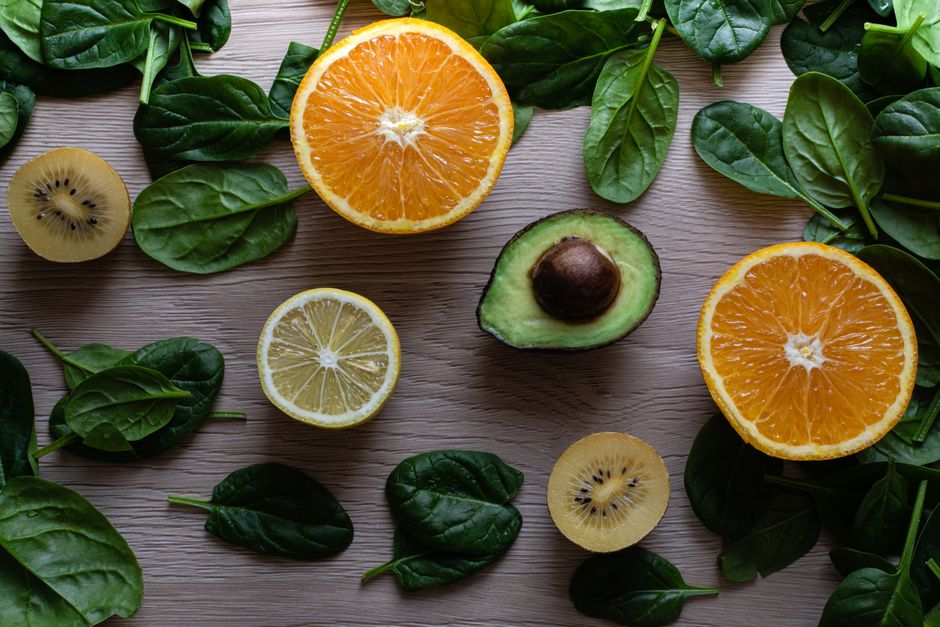
Most fruits are not high in protein. A typical serving of fruit contains only 1 to 2 grams, which is minimal compared to meat, dairy, or beans. However, a few fruits stand out from the rest. Guava, passion fruit, and jackfruit are the clear leaders, with each providing between 2.5 and 4.2 grams of protein per cup. While no fruit will replace your chicken breast, these options can add a small but real protein boost to your diet.
Which Fruits Have the Most Protein?
Protein content in fruit is measured per standard serving, usually one cup. The numbers are modest, but they are accurate. Guava leads the group. One cup of guava contains about 4.2 grams of protein. That is more than any other common fruit.
Passion fruit comes in second. One cup of raw passion fruit provides roughly 5.2 grams of protein. That is the highest per-cup value among common fruits. However, a whole passion fruit is much smaller than a cup, so most people eat far less in one sitting.
Jackfruit is third. One cup of sliced jackfruit offers about 2.8 grams of protein. It is also one of the only fruits commonly used as a meat substitute in savory dishes, which makes its protein content more relevant to meal planning.
Other fruits with measurable protein include blackberries, raspberries, and pomegranate seeds. Each provides around 1.5 to 2 grams per cup. These are useful additions but not significant protein sources on their own.
Why Fruit Protein Is Different From Meat Protein
Protein quality matters as much as quantity. Animal proteins are called “complete” because they contain all nine essential amino acids your body cannot make on its own. Most fruits are “incomplete” proteins. They lack one or more of these essential amino acids.
This does not mean fruit protein is useless. Your body pools amino acids from all the foods you eat throughout the day. If you eat a varied diet that includes grains, legumes, nuts, and vegetables, the amino acids from fruit combine with those from other foods to form complete protein. This is called protein complementation, and it works well for healthy adults.
What matters is total daily protein intake, not the source of each individual meal. The average adult needs about 0.36 grams of protein per pound of body weight per day. For a 150-pound person, that is roughly 54 grams daily. Fruit can contribute a few grams to this total, but it cannot be the foundation.
Dried Fruits and Protein Content
Drying fruit removes water, which concentrates nutrients. This means dried fruits have more protein per ounce than their fresh counterparts. Dried apricots provide about 1.4 grams of protein per half-cup. Dried figs offer about 1.5 grams per half-cup. Raisins contain roughly 2.7 grams per half-cup.
The trade-off is sugar. Dried fruit is calorie-dense because water removal concentrates natural sugars. A half-cup of raisins contains about 217 calories, while a half-cup of fresh grapes contains about 62 calories. If you are choosing dried fruit for protein, be aware that you are also consuming significantly more sugar and calories per serving.
Dried fruit can be a practical snack for hikers or athletes who need portable calories. For everyday eating, fresh fruit provides more volume and hydration for fewer calories.



Protein in Fruit vs. Vegetables and Nuts
Fruit is often compared to other plant foods, and it generally comes up short. Vegetables like broccoli and spinach provide 2 to 3 grams of protein per cup. Legumes such as lentils and chickpeas provide 8 to 15 grams per cup. Nuts and seeds range from 5 to 9 grams per ounce.
If your goal is to increase plant-based protein, prioritize legumes, nuts, seeds, and whole grains. Fruit can be part of this strategy, but it should not be the main source. The protein in fruit is a bonus, not a primary nutrient.
There is one exception worth noting. Green peas are technically a legume, but they are often grouped with vegetables. They contain about 8 grams of protein per cup. If you are looking for plant-based protein with a sweet flavor profile, peas are a far better choice than any fruit.
How to Add High-Protein Fruits to Your Diet
Guava is easy to eat. Wash it, slice it, and eat the flesh and seeds. The skin is edible too. It has a sweet, floral flavor that works well in smoothies or eaten plain. One whole guava provides about 1.4 grams of protein.
Passion fruit is eaten by scooping out the seeds and pulp. The seeds are crunchy and edible. The flavor is tart and tropical. It pairs well with yogurt, which also adds significant protein to the snack.
Jackfruit requires more preparation. Fresh jackfruit is large and sticky. Canned jackfruit in water or brine is easier to work with. It is commonly used in pulled “pork” style sandwiches because its texture shreds when cooked. Note that ripe jackfruit is sweet, while unripe jackfruit has a neutral flavor that absorbs seasonings well.
Berries are the easiest addition. Add blackberries or raspberries to oatmeal, yogurt, or a protein shake. They add fiber, antioxidants, and a small protein boost without much effort.
What About Protein Powders Made From Fruit?
You may see products marketed as “fruit protein powders” online. Most of these are not made from fruit alone. They are typically blends of pea protein, rice protein, or other plant proteins with fruit flavoring or fruit extracts. The fruit component is usually minimal.
There is no established clinical evidence that protein extracted from fruit provides benefits beyond other plant protein sources. If you see a product claiming to be “fruit-based protein,” check the ingredient list. The actual protein source is usually a legume or grain.
No clinical guidelines currently exist for fruit protein powders as a category. If you are considering one, compare its amino acid profile and protein content per serving to standard pea or rice protein powders. The nutritional value is likely similar.
Do High-Protein Fruits Help With Weight Loss or Muscle Building?
Fruit protein is too small in quantity to drive muscle building on its own. For muscle growth, research consistently shows that total daily protein intake and resistance training are the key factors. Fruit can contribute a few grams to your daily total, but it will not make a meaningful difference in muscle synthesis.
For weight loss, fruit can be helpful for reasons other than protein. Fruit is high in water and fiber, which increases fullness. A cup of guava contains about 9 grams of fiber. This is more than most other fruits and comparable to some whole grains. Fiber slows digestion and helps you feel satisfied after a meal.
The evidence is mixed on whether fruit consumption directly promotes weight loss. Some studies suggest that replacing higher-calorie snacks with fruit reduces overall calorie intake. Other research indicates that fruit sugar, even natural sugar, can contribute to weight gain when eaten in large amounts. The practical takeaway is to eat fruit as part of a balanced diet, not as a weight loss tool in itself.
Are There Any Risks to Eating High-Protein Fruits?
For most people, no. Guava, passion fruit, and jackfruit are safe for general consumption. People with latex allergies should be cautious with passion fruit. Some proteins in passion fruit are similar to latex proteins and can trigger allergic reactions in sensitive individuals.
Jackfruit is high in potassium. People with chronic kidney disease or those taking potassium-sparing medications should monitor their intake. One cup of jackfruit contains about 739 mg of potassium, which is significant. If you have kidney issues, talk to your doctor before adding jackfruit to your regular diet.
Guava is generally safe. It is high in vitamin C, providing more than double the daily recommended amount in one cup. Extremely high intakes of vitamin C from supplements can cause digestive upset, but this is not a concern with whole fruit.
Frequently Asked Questions
What fruit has the most protein?
Passion fruit has the most protein per cup at about 5.2 grams. Guava is second at about 4.2 grams per cup.
Is fruit protein as good as meat protein?
No. Meat protein is complete, meaning it contains all essential amino acids. Fruit protein is incomplete and must be combined with other foods to provide all essential amino acids.
Can I build muscle by eating high-protein fruits?
No. The protein in fruit is too small in quantity to meaningfully support muscle building. Focus on meat, dairy, eggs, legumes, and protein supplements for muscle growth.
Are dried fruits higher in protein than fresh fruits?
Yes, per ounce. Drying removes water and concentrates nutrients, including protein. However, dried fruits are also much higher in sugar and calories per serving.
