
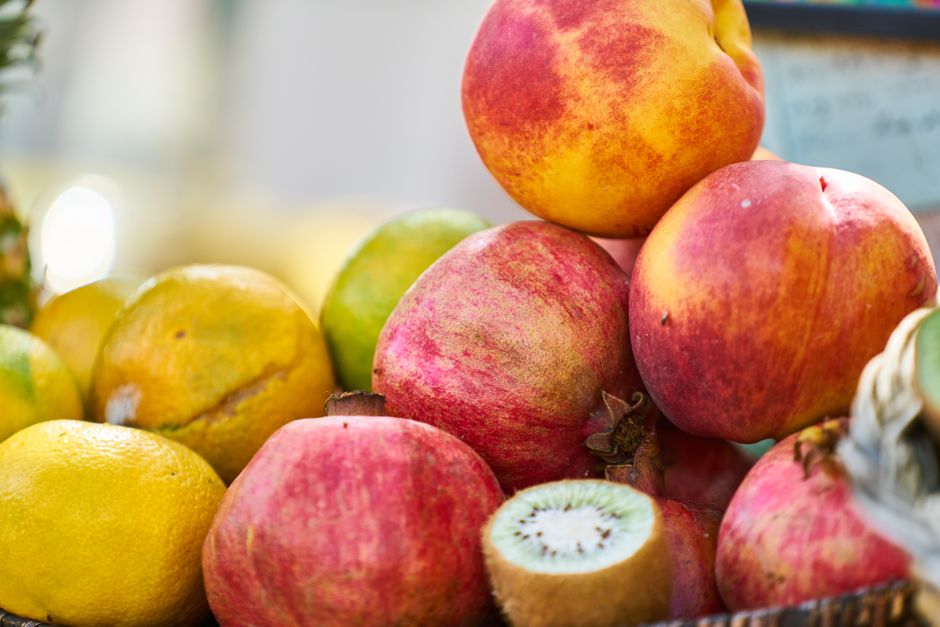
Fiber is the part of plant food your body cannot digest. Instead, it travels to your colon, where trillions of bacteria break it down and use it for fuel. Fruits are one of the best ways to get that fiber. Raspberries, blackberries, pears, apples, bananas, oranges, and avocados all deliver a strong mix of fiber and gut-friendly compounds.
What makes a fruit good for gut health is not just fiber amount. It is the type of fiber, the natural sugars, and plant compounds that feed different bacteria in your digestive tract. Some fruits lean toward one benefit. Others do several things at once.
What Fruits Are High In Fiber And Good For Gut Health?
Raspberries and blackberries top the list. One cup of raw raspberries provides about 8 grams of fiber. Blackberries are close behind at roughly 7.6 grams per cup. Both are also low in sugar compared to many fruits, which matters for people watching blood glucose.
Pears and apples come next. A medium pear with skin delivers about 5.5 grams of fiber. A medium apple with skin gives around 4.4 grams. The skin matters. Most of the fiber in apples sits in the peel, so peeling removes a large share of the benefit.
Bananas, oranges, and avocados round out the group. One medium banana has about 3 grams of fiber. One navel orange has roughly 3 grams. A whole avocado is much higher, near 10 grams, though most people eat half at a time.
Here is a comparison of common fruits and their fiber content per typical serving:
| Fruit | Serving | Fiber (grams) |
|---|---|---|
| Raspberries | 1 cup | 8 |
| Blackberries | 1 cup | 7.6 |
| Pear (with skin) | 1 medium | 5.5 |
| Apple (with skin) | 1 medium | 4.4 |
| Banana | 1 medium | 3 |
| Orange | 1 medium | 3 |
| Avocado | 1 whole | 10 |
These numbers come from standard nutrient databases. They can vary a little based on ripeness, variety, and how the fruit is stored.
How Does Fruit Fiber Feed Gut Bacteria?
Your small intestine absorbs most nutrients from food. Fiber passes through largely untouched. It reaches the colon, where gut bacteria ferment it. This process produces short-chain fatty acids, mainly acetate, propionate, and butyrate.
Butyrate is the standout. It is the primary fuel source for the cells lining your colon. Research has linked butyrate production to a healthier gut lining and reduced inflammation in the colon. This is well established in human and animal studies.
Different fibers feed different bacteria. Soluble fiber, found in apples, oranges, and pears, dissolves in water and ferments readily. Insoluble fiber, found in fruit skins, adds bulk to stool and helps it move through your system. Most fruits contain both types.
One detail many people miss: fiber does not just feed bacteria. It also changes the environment. A diet rich in fermentable fiber tends to support a more diverse microbiome. Diversity is one of the markers researchers associate with a healthy gut.
Which Fruits Are Best For Constipation?
Pears, apples, and prunes are the most reliable for constipation. Prunes contain sorbitol, a natural sugar alcohol that draws water into the intestine. This softens stool and can help with regularity. The evidence for prunes is stronger than for most other fruits.
Kiwi also has support. Some studies suggest eating two kiwis a day can increase stool frequency and improve consistency in people with mild constipation. The effect appears to come from a combination of fiber, water content, and a compound called actinidin.
Raspberries and blackberries help too, mainly through their high fiber content. But if constipation is your main concern, prunes and kiwi have the most direct evidence behind them.
Water matters as much as fiber here. Fiber without enough fluid can actually make constipation worse. If you increase fiber, increase water intake at the same time.




Do Bananas Help Or Hurt Gut Health?
Bananas help, but ripeness changes what they do. An unripe green banana is high in resistant starch. This type of starch resists digestion and ferments in the colon, feeding beneficial bacteria. As a banana ripens and turns yellow, that resistant starch converts to sugar.
A ripe banana still provides about 3 grams of fiber. It also contains pectin, a soluble fiber that may support gut bacteria. For most people, a ripe banana is a mild, well-tolerated fruit that adds fiber without much gas.
People with irritable bowel syndrome sometimes react to bananas. This is because bananas contain fermentable carbohydrates called FODMAPs. If you have IBS, your tolerance may depend on ripeness and portion size. Green bananas tend to be lower in FODMAPs than very ripe ones.
Can Fruit Fiber Cause Bloating Or Gas?
Yes. When you eat more fiber than your gut is used to, bacteria ferment it faster and produce more gas. This is normal. It does not mean the fiber is bad for you. It means your gut bacteria need time to adjust.
Some fruits are more likely to cause gas than others. Apples, pears, and cherries contain higher amounts of fermentable sugars. If you are sensitive, these can trigger bloating. Bananas, oranges, and berries tend to be gentler for most people.
The fix is not to avoid fiber. Increase your intake slowly over a few weeks. Drink more water. If bloating persists, talk to a doctor. Persistent bloating can have causes unrelated to diet, and it deserves a proper evaluation.
How Much Fruit Fiber Do You Need Each Day?
Most adults need between 25 and 38 grams of total fiber per day. Men generally need more than women. These figures come from established dietary guidelines. Most Americans get far less than that, often around 15 grams.
Fruit alone will not get you there. You also need vegetables, whole grains, beans, and nuts. But fruit is one of the easiest places to start. Two servings of high-fiber fruit can add 10 to 16 grams to your day.
One serving is roughly one medium piece of fruit or one cup of berries. Aim for two to four servings of fruit daily. Whole fruit is better than juice. Juice removes most of the fiber and concentrates the sugar.
If you have a digestive condition like IBS, Crohn’s disease, or ulcerative colitis, your fiber needs may be different. Some people with these conditions need to limit certain fibers. This is not something to guess at. Work with a doctor or dietitian who knows your history.
Does Fruit Fiber Help With More Than Digestion?
Fiber’s benefits extend beyond the gut, though the strength of evidence varies by outcome. Diets high in fiber are consistently linked to lower risk of heart disease and type 2 diabetes. The mechanism is not fully understood, but short-chain fatty acids and improved blood sugar control likely play a role.
Fiber also supports weight management. It adds bulk and slows digestion, which can help you feel full longer. This effect is real, though it is modest on its own.
The connection between fiber and colon cancer is more complicated. Some large studies show a protective link. Others show a weaker effect than once thought. The evidence points in a favorable direction but is not as strong as it is for heart health.
What is clear: a diet built around whole plant foods, including high-fiber fruits, supports overall health. No single fruit is a magic bullet. The pattern matters more than any one food.
Whole Fruit Or Supplements?
Whole fruit is the better choice. Fiber supplements can help if you struggle to get enough from food, but they do not replace what fruit offers. Fruit comes packaged with vitamins, minerals, and plant compounds that supplements do not contain.
Fiber from supplements also tends to be a single type. Whole fruit gives you a mix of soluble and insoluble fibers, each feeding different bacteria. That variety is part of why fruit works.
If you do use a fiber supplement, introduce it slowly. Start with a small dose and increase over time. Take it with plenty of water. Some supplements can interfere with medication absorption, so check with a pharmacist if you take prescription drugs.
Frequently Asked Questions
Which fruit has the most fiber?
Raspberries have the most fiber among common fruits, with about 8 grams per cup. Avocados are also very high at roughly 10 grams per whole fruit.
Is it OK to eat fruit every day for gut health?
Yes, eating fruit daily is a normal and healthy part of a balanced diet. Most adults benefit from two to four servings of whole fruit per day as part of their total fiber intake.
Can fruit fiber make gut health worse?
For most people, fruit fiber improves gut health by feeding beneficial bacteria. In some digestive conditions like IBS, certain fruits can trigger symptoms, so individual tolerance varies.
Do I need to eat fruit skins for the fiber?
Yes, the skin holds a large share of the fiber in fruits like apples and pears. Peeling them removes much of the fiber benefit.
