
Insoluble fiber does not dissolve in water. It passes through your digestive system mostly unchanged. Think of it as a scrub brush moving through your intestines. It adds bulk to your stool and helps food move through your gut faster. This is the fiber that prevents constipation and keeps your digestive tract running on schedule.
What Exactly Is Insoluble Fiber?
Fiber comes in two main types. Soluble fiber dissolves in water and forms a gel. You find it in oats, apples, and beans. Insoluble fiber does not dissolve. It stays intact as it travels through your system.
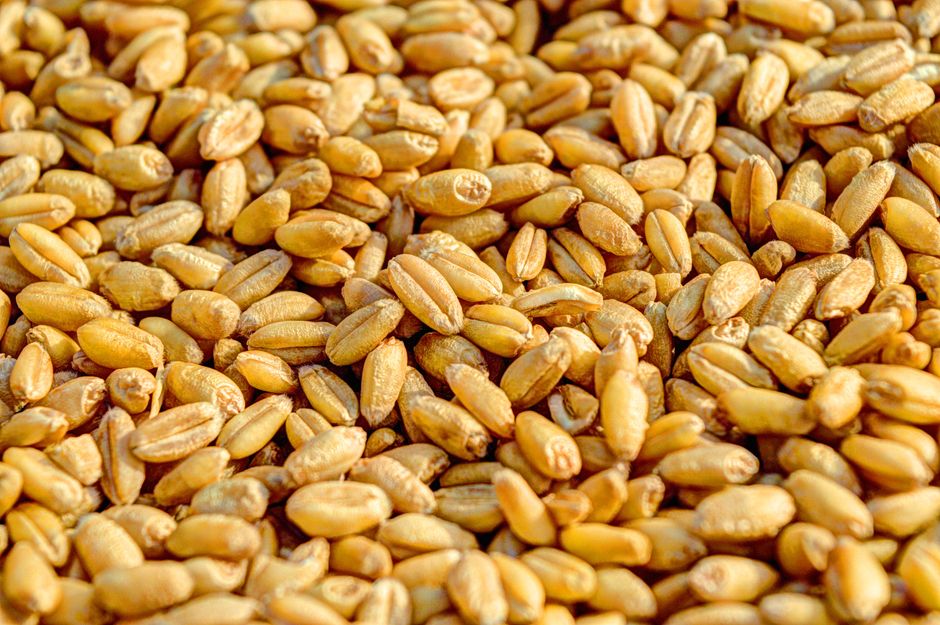
Insoluble fiber comes from the structural parts of plants. The skins of fruits and vegetables are rich in it. So are whole grains, nuts, and seeds. Cellulose, hemicellulose, and lignin are the main types of insoluble fiber. Your body lacks the enzymes to break these down.
This is actually the point. Because your body cannot digest insoluble fiber, it stays in your gut. It absorbs water along the way. This makes your stool softer and bulkier. The bulkier your stool, the faster it moves through your colon.
How Does Insoluble Fiber Work In Your Gut Step by Step
You eat a handful of almonds or a bowl of brown rice. The insoluble fiber enters your stomach. Nothing happens there. Stomach acid does not break it down.
It moves into your small intestine. Again, no digestion occurs. Soluble fiber gets fermented by bacteria here. Insoluble fiber passes through untouched.
The real action happens in your large intestine. Insoluble fiber absorbs water and swells up. This increases the volume of material in your colon. Your intestinal walls stretch in response. This stretching signals your body to move things along.
Research published in the journal Gut found that insoluble fiber speeds up transit time significantly. Transit time is how long food takes from mouth to toilet. Faster transit means less time for harmful substances to sit in your colon.
The fiber also traps water in your stool. This prevents hard, dry stools that are difficult to pass. The combination of bulk and softness is what makes insoluble fiber so effective for constipation.
What Does Research Show About Insoluble Fiber and Gut Health?
The evidence for insoluble fiber is strong but specific. It does one thing very well. It prevents and treats constipation. The American Gastroenterological Association lists insoluble fiber as a first-line treatment for chronic constipation.
A 2020 review in the American Journal of Gastroenterology looked at 15 studies on fiber and constipation. Insoluble fiber increased stool frequency in 12 of those studies. People who added insoluble fiber had an average of 1.4 more bowel movements per week.
The benefits may go beyond constipation. Some studies suggest insoluble fiber reduces the risk of diverticulitis. Diverticulitis is when small pouches in your colon become inflamed. A large study of over 47,000 men found that those who ate the most insoluble fiber had a 40 percent lower risk of developing diverticulitis.
There is also evidence that insoluble fiber lowers colon cancer risk. The World Cancer Research Fund reports that foods containing dietary fiber probably protect against colorectal cancer. The protective effect is strongest for whole grains, which are high in insoluble fiber.
One clarification matters here. The studies showing cancer protection look at fiber from food, not supplements. Fiber supplements do not show the same consistent benefits. The difference likely comes from the other nutrients in whole foods working together with the fiber.
| Type of Fiber | Dissolves in Water | Fermented by Gut Bacteria | Primary Effect | Food Sources |
|---|---|---|---|---|
| Insoluble | No | Minimally | Adds bulk, speeds transit | Whole grains, nuts, vegetables skins |
| Soluble | Yes | Yes | Forms gel, feeds gut bacteria | Oats, apples, beans, carrots |





How Much Insoluble Fiber Do You Actually Need?
The Institute of Medicine sets daily fiber recommendations. Men under 50 need 38 grams total fiber per day. Women under 50 need 25 grams. After age 50, the numbers drop to 30 grams for men and 21 grams for women.
These numbers are for total fiber. There is no separate recommendation for insoluble fiber alone. A good rule is to get about three-quarters of your fiber from insoluble sources and one-quarter from soluble sources.
Most Americans fall short. The average adult eats about 15 grams of fiber per day. That is roughly half of what is recommended. This gap is why so many people struggle with constipation.
You can increase insoluble fiber without drastic changes. Switch from white rice to brown rice. Eat apple skins instead of peeling them. Choose whole wheat bread over white bread. Add a handful of almonds to your afternoon snack.
Increase fiber slowly. Jumping from 15 grams to 30 grams in one day will cause gas and bloating. Add 5 grams per week until you reach your target. Drink extra water as you increase fiber. Insoluble fiber needs water to work properly.
What Are the Side Effects of Insoluble Fiber?
Insoluble fiber is not risk-free. The most common side effect is bloating. When you first increase fiber, your gut needs time to adjust. The bloating usually goes away within one to two weeks.
Gas is another common issue. Some people experience cramping. These symptoms are worse if you increase fiber too quickly. They are also worse if you do not drink enough water.
There is a less common but more serious risk. People with certain digestive conditions should be careful with insoluble fiber. If you have active Crohn’s disease or ulcerative colitis, insoluble fiber can irritate an inflamed colon. Your doctor may recommend a low-fiber diet during flare-ups.
People with strictures in their intestines should also avoid high amounts of insoluble fiber. Strictures are narrow areas in the bowel. The bulk from insoluble fiber can get stuck and cause a blockage.
The other concern is nutrient absorption. Insoluble fiber binds to some minerals. This includes calcium, iron, and zinc. For most people eating a varied diet, this is not a problem. The effect is small. But if you eat very large amounts of fiber or have low mineral levels already, it can matter.
Common Misconceptions About Insoluble Fiber
One myth is that all fiber is the same. It is not. Soluble and insoluble fiber work differently in your body. They have different benefits. You need both for optimal gut health.
Another myth is that fiber supplements are just as good as food fiber. They are not. Fiber supplements like psyllium provide mostly soluble fiber. They help with constipation but miss the other benefits of whole food fiber. Whole grains and vegetables contain vitamins, minerals, and antioxidants that supplements lack.
Some people believe that more fiber is always better. This is not true. Very high fiber intake can cause problems. Eating over 70 grams per day can lead to intestinal blockages in rare cases. It can also interfere with medication absorption.
There is also the idea that insoluble fiber causes colon cancer. This comes from a misunderstanding of old research. Some early studies suggested that a high-fiber diet might increase cancer risk. Later research debunked this. The current evidence, including a large 2019 study in JAMA Oncology, shows that fiber from whole grains reduces colon cancer risk.
- Insoluble fiber speeds up how fast food moves through your colon
- It adds bulk and softness to stool by absorbing water
- Most Americans eat about half the recommended fiber intake
- Increase fiber slowly over several weeks to avoid gas and bloating
- Whole food sources of fiber are better than supplements
- Drink extra water when you increase insoluble fiber
How Does Insoluble Fiber Work In Your Gut Compared to Soluble Fiber
Soluble fiber dissolves in water and forms a gel. Gut bacteria ferment this gel in your colon. This fermentation produces short-chain fatty acids that feed your colon cells. These fatty acids reduce inflammation and may lower disease risk.
Insoluble fiber does not get fermented much. It stays intact. Its job is mechanical, not chemical. It pushes things through. It creates bulk. It keeps you regular.
Both types are important. Soluble fiber feeds your gut microbiome. Insoluble fiber keeps things moving. A diet rich in both types gives you the best outcomes.
Foods often contain both types. An apple has soluble fiber in the flesh and insoluble fiber in the skin. A whole grain has both in different parts of the kernel. Eating a variety of plant foods ensures you get enough of each.
Practical Ways to Add More Insoluble Fiber
Start with breakfast. Choose a bran cereal or oatmeal topped with nuts. Add berries with skins. Skip the refined cereals that have little fiber.
Lunch is easy. Use whole grain bread for sandwiches. Add raw vegetables like carrots and bell peppers. Leave the skins on your apple or pear.
Dinner offers many opportunities. Replace white rice with quinoa or brown rice. Add a side of steamed broccoli or green beans. Use beans or lentils as part of your main dish.
Snacks can help close the fiber gap. Almonds, walnuts, and sunflower seeds are good options. Popcorn is a whole grain high in insoluble fiber. Raw vegetables with hummus work too.
Track your intake for a few days. Use a food diary app or just write it down. You may be surprised how little fiber you actually eat. Seeing the numbers makes it easier to make changes.
Frequently Asked Questions
Does insoluble fiber help with diarrhea?
Insoluble fiber can help some types of diarrhea by adding bulk to loose stool. However, it can also make diarrhea worse if your gut is already irritated.
Can you eat too much insoluble fiber?
Yes, eating very large amounts can cause bloating, gas, cramping, and in rare cases intestinal blockage. Stick to the recommended daily intake and increase slowly.
Does insoluble fiber feed gut bacteria?
Very little. Insoluble fiber is not fermented by gut bacteria the way soluble fiber is. Its main job is adding bulk and speeding up transit time.
What foods have the most insoluble fiber?
Whole grains like wheat bran and brown rice, nuts like almonds, seeds, and the skins of fruits and vegetables have the highest amounts of insoluble fiber.
