
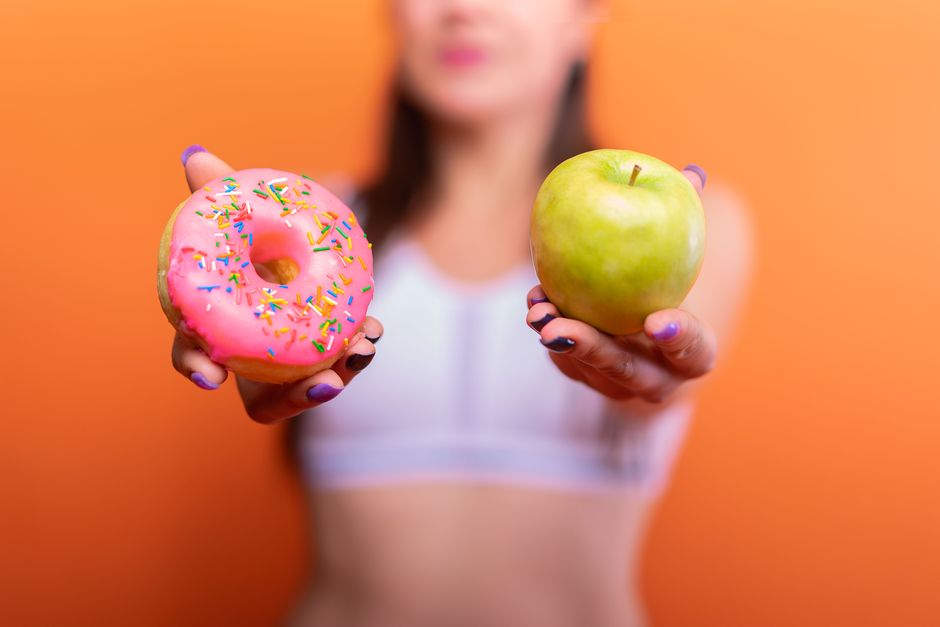
Belly fat is often the first place your body stores extra calories, and it is also the last place it tends to let them go. The foods you eat play a direct role in how much visceral fat you carry around your waist. To reduce belly fat, the most effective strategy is to cut back on added sugars, refined grains, and trans fats while increasing protein and fiber. No single food causes belly fat on its own, but a steady pattern of eating ultra-processed foods and sugary drinks makes fat storage around the middle far more likely.
Why Does Belly Fat Accumulate in the First Place?
Belly fat is not just the soft layer you can pinch. A significant portion of it is visceral fat, which sits deep inside the abdomen around your liver, stomach, and intestines. Visceral fat is metabolically active. It releases inflammatory compounds that can interfere with how your body processes insulin and sugar.
When you eat more calories than your body burns, the excess energy gets stored as fat. Hormones influence where that fat lands. High levels of the stress hormone cortisol and insulin resistance both tend to push fat storage toward the abdominal area. This is why two people can gain the same amount of weight, yet one carries it in the hips while the other carries it around the middle.
Diet is the strongest lever you control. Certain foods spike blood sugar rapidly, trigger insulin release, and promote fat storage. Others keep blood sugar stable and support fat burning. The foods you avoid matter as much as the foods you add.
What Foods to Avoid to Reduce Belly Fat
If you want to reduce belly fat, the clearest place to start is with foods that spike blood sugar and drive insulin up. Insulin is a fat-storage hormone. When insulin levels stay high, your body gets the signal to hold onto fat, especially around the abdomen.
Here are the food categories with the strongest evidence linking them to increased belly fat:
- Sugary beverages — soda, sweetened iced tea, fruit punch, and energy drinks. Liquid sugar delivers calories without making you feel full. Studies consistently link sugary drink consumption to increased visceral fat.
- Refined grains — white bread, white rice, pasta made from refined flour, and most breakfast cereals. These foods lose their fiber during processing, so they digest quickly and raise blood sugar fast.
- Added sugars — table sugar, honey, maple syrup, and high-fructose corn syrup added to foods. Excess fructose specifically has been linked to increased liver fat and visceral fat.
- Trans fats — partially hydrogenated oils found in some fried foods, commercial baked goods, and certain packaged snacks. Trans fats are strongly associated with abdominal fat accumulation.
- Ultra-processed snacks — chips, crackers, cookies, and frozen desserts. These combine refined flour, added sugar, and unhealthy fats into a highly palatable package that is easy to overeat.
You do not need to eliminate these foods completely. But reducing them consistently is the most direct dietary change linked to lower belly fat in research.
How Sugary Drinks Specifically Drive Belly Fat
Sugary drinks deserve special attention because they bypass your body’s normal fullness signals. When you chew food, your stomach stretches and sends signals to your brain that you have eaten. Liquids do not trigger that response the same way. You can drink 500 calories of soda and still feel hungry.
The type of sugar matters too. Many sweetened beverages use high-fructose corn syrup, which contains roughly equal parts glucose and fructose. Glucose raises blood sugar and triggers insulin. Fructose is processed almost entirely by the liver. When the liver receives a large fructose load, it converts much of it directly into fat. Some of that fat stays in the liver, and some is exported to fat tissue, including visceral fat around the organs.
Research published in the American Journal of Clinical Nutrition found that people who increased their intake of sugary drinks gained more visceral fat over time compared to those who did not. The effect was independent of total calorie intake, which suggests that liquid sugar has a specific effect on abdominal fat storage.
Replacing sugary drinks with water, unsweetened tea, or black coffee is one of the simplest swaps you can make. It removes a concentrated source of calories and fructose without requiring you to feel deprived of food.





Refined Carbohydrates and the Insulin Connection
Refined carbohydrates are stripped of their fiber and most of their nutrients. White bread, white rice, and refined pasta digest rapidly into glucose. Within an hour of eating them, your blood sugar rises sharply, and your pancreas releases a large burst of insulin to bring it back down.
That insulin spike does two things. It tells your fat cells to take up and store glucose as fat. It also tells your liver to stop releasing stored fat for energy. The net effect is a body that is actively storing fat and unable to burn it.
Whole grains act differently. Oats, brown rice, quinoa, and whole-wheat bread retain their fiber. Fiber slows digestion, blunts the blood sugar response, and keeps insulin levels lower. A 2021 review in the journal Nutrients concluded that higher intake of whole grains is associated with lower visceral fat, while higher intake of refined grains is associated with more.
This does not mean you must never eat white rice again. It means that making whole grains your default choice, rather than your occasional alternative, supports a lower insulin environment that is more favorable for losing belly fat.
The Problem with Ultra-Processed Foods
Ultra-processed foods are industrial formulations that contain ingredients you would not find in a home kitchen — emulsifiers, preservatives, artificial flavors, and refined sweeteners. Examples include packaged snacks, sugary cereals, frozen meals, and fast food.
A landmark 2019 randomized controlled trial published in Cell Metabolism compared a diet of ultra-processed foods to a diet of minimally processed foods. Participants ate the same calories, sugar, fat, fiber, and macronutrients in both phases. The result was striking: people ate about 500 more calories per day during the ultra-processed phase and gained weight. The minimally processed phase led to spontaneous calorie reduction and weight loss.
The exact mechanism is not fully understood, but the evidence points to something about the food matrix itself. Ultra-processed foods are engineered to be hyper-palatable. They combine sugar, salt, and fat in ratios that override your natural satiety signals. You eat more before you feel full.
For belly fat specifically, ultra-processed foods are problematic because they deliver a triple hit: refined carbohydrates, added sugars, and unhealthy fats in a single package. Reducing them is not about willpower. It is about removing foods designed to make you overeat.
What About Alcohol and Belly Fat?
Alcohol is a unique case. It provides calories — about 7 calories per gram — but offers no nutritional value. The body prioritizes metabolizing alcohol before burning fat or carbohydrates. While alcohol is being processed, fat burning is paused.
Beer has been specifically associated with abdominal fat in some studies, which is where the term “beer belly” comes from. But the effect is not unique to beer. Any regular alcohol consumption above moderate levels can contribute to weight gain and visceral fat accumulation.
Moderate drinking is defined as up to one drink per day for women and up to two drinks per day for men. At that level, the evidence does not clearly show a major impact on belly fat. Above that level, the risk increases. If you are serious about reducing belly fat, cutting back on alcohol is a reasonable step, especially if you drink most days of the week.
Practical Swaps That Actually Work
Knowing what to avoid is only half the battle. The other half is having a practical replacement ready. Here are swaps that reduce belly-fat-promoting foods without making meals feel like punishment:
- Swap soda for sparkling water with a squeeze of lemon or lime.
- Swap white rice for cauliflower rice or brown rice.
- Swap sugary breakfast cereal for plain oatmeal topped with berries.
- Swap fruit juice for whole fruit — you get the fiber and less concentrated sugar.
- Swap chips for nuts or roasted chickpeas.
- Swap white bread for 100% whole-grain bread.
These swaps work because they reduce the specific foods that drive belly fat — refined carbs and added sugars — while increasing fiber and protein. Fiber slows digestion and promotes fullness. Protein increases satiety and has a higher thermic effect, meaning your body burns more calories digesting it.
No single swap will melt belly fat overnight. But consistent changes, applied over weeks and months, shift the hormonal environment in favor of fat loss.
Can You Spot-Reduce Belly Fat by Diet Alone?
Spot reduction — losing fat only from your belly by doing certain exercises or eating certain foods — is a myth. Your body mobilizes fat from all over when you are in a calorie deficit. Where you lose fat first is largely determined by genetics.
That said, diet plays an outsized role in belly fat specifically because visceral fat is highly responsive to insulin and cortisol. When you reduce refined carbohydrates and added sugars, insulin levels drop, and visceral fat becomes more accessible for burning. Some research suggests that visceral fat is actually more responsive to dietary change than subcutaneous fat — the fat just under the skin.
The evidence supports a whole-diet approach rather than a single magic food. A diet pattern lower in added sugars, refined grains, and ultra-processed foods — combined with adequate protein, fiber, and physical activity — is the most reliable way to reduce belly fat over time.
Frequently Asked Questions
Will cutting out sugar alone reduce belly fat?
Cutting out added sugar will help, especially if you also cut sugary drinks, but it is not enough on its own. Total calorie intake and overall diet quality still matter for fat loss.
Are all carbohydrates bad for belly fat?
No, only refined carbohydrates that digest quickly and spike blood sugar are problematic. Whole grains, vegetables, and legumes provide fiber and support fat loss.
How long does it take to see a difference in belly fat after changing your diet?
Most people notice changes within 4 to 8 weeks of consistent dietary changes, but results vary. Visceral fat responds faster than subcutaneous fat to dietary improvement.
Is intermittent fasting better than food avoidance for belly fat?
Intermittent fasting can help because it reduces total calorie intake, but it is not inherently better than a healthy diet. The quality of the foods you eat during eating windows still determines your results.
