
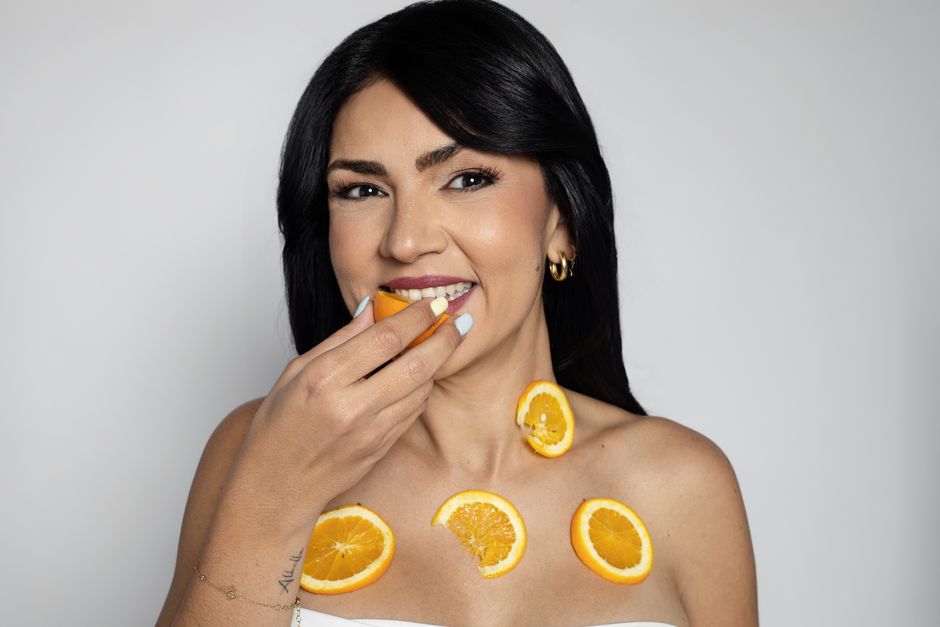
Hair strength starts with what you eat. Protein, iron, and certain vitamins are the building blocks your body uses to grow and maintain healthy hair. Foods like eggs, lean meats, beans, and leafy greens provide the nutrients that support hair structure and growth. Your hair is made mostly of a protein called keratin, so without enough protein and iron, hair can become weak, brittle, and prone to shedding.
Why Protein Matters for Hair Strength
Your hair shaft is composed of about 90% protein, specifically keratin. When your diet lacks adequate protein, your body prioritizes protein for vital organs over hair growth. This can lead to increased shedding and weaker strands.
Research consistently shows that low protein intake can trigger a type of hair loss called telogen effluvium. In this condition, hair shifts prematurely from its growing phase into the resting phase, leading to noticeable shedding weeks later.
Good protein sources for hair include eggs, which contain biotin and high-quality protein, as well as fish, poultry, lean beef, and Greek yogurt. Plant-based options like lentils, chickpeas, and quinoa also provide substantial protein. For most adults, eating protein at each meal is a practical way to maintain consistent intake throughout the day.
Iron Deficiency and Hair Loss: What the Evidence Shows
Iron is essential for producing hemoglobin, the protein in red blood cells that carries oxygen to tissues, including hair follicles. When iron levels are low, hair follicles receive less oxygen and nutrients, which can disrupt the hair growth cycle.
Studies have found a link between iron deficiency and certain types of hair loss, particularly in women. However, the evidence is not uniform across all populations. Some research suggests that correcting iron deficiency can improve hair loss, while other studies show mixed results.
Iron-rich foods include red meat, poultry, fish, and organ meats. Plant sources like spinach, lentils, and fortified cereals contain non-heme iron, which is less easily absorbed than the heme iron found in animal products. Pairing plant iron sources with vitamin C, such as eating spinach salad with citrus dressing, improves absorption.
Before taking iron supplements, ask your doctor for a blood test. Excess iron can be harmful, and supplementation should be based on a confirmed deficiency, not guesswork.
Vitamins and Minerals That Support Hair Structure
Beyond protein and iron, several other nutrients play direct roles in hair health. Vitamin C helps your body absorb iron and is also required for collagen production, which strengthens the blood vessels that supply hair follicles.
Zinc supports hair tissue growth and repair. It also helps keep the oil glands around hair follicles working properly. Foods rich in zinc include oysters, beef, pumpkin seeds, and cashews.
Vitamin D has been linked to hair follicle cycling. Some research indicates that low vitamin D levels are more common in people with certain types of hair loss, though the exact relationship is still being studied. Fatty fish, egg yolks, and fortified dairy products provide vitamin D, and sunlight remains a primary source.
Biotin, a B vitamin, is frequently marketed for hair strength. Your body needs biotin to produce keratin, but true biotin deficiency is rare. Most people get enough biotin from foods like eggs, nuts, and whole grains. Biotin supplements have not been shown to strengthen hair in people without a deficiency.
Foods That Help Hair: A Practical List
Rather than chasing individual nutrients, focus on eating a varied diet that covers multiple bases. The following foods provide combinations of protein, iron, and vitamins that support hair health:
- Eggs — protein, biotin, and vitamin B12
- Salmon — protein, vitamin D, and omega-3 fatty acids
- Spinach — iron, vitamin C, and vitamin A
- Lean beef — iron, zinc, and protein
- Lentils — plant protein, iron, and folate
- Greek yogurt — protein and vitamin B5
- Sweet potatoes — beta-carotene, which your body converts to vitamin A
- Nuts and seeds — zinc, vitamin E, and healthy fats
This list is not exhaustive. The broader principle is that a diet rich in whole foods, adequate protein, and sufficient iron supports hair health more reliably than any single “superfood.”
What Foods Strengthen Hair Protein Iron And More: The Full Picture
Hair is a reflection of your overall nutritional status. When your diet is deficient in protein, iron, or key vitamins, your hair often shows it before other systems do. Hair is not essential for survival, so your body will redirect nutrients away from hair growth when resources are limited.
A balanced diet that includes adequate protein at each meal, iron-rich foods, and a variety of fruits and vegetables gives your hair the raw materials it needs. No single food will transform hair strength overnight. Consistent, adequate nutrition over months is what actually matters, because hair grows slowly — about half an inch per month on average.
If you are experiencing significant hair shedding or thinning, see a healthcare provider. Hair loss can have many causes, including hormonal changes, medications, stress, and underlying medical conditions. A doctor can help identify the cause and determine whether a nutritional deficiency is contributing.
Can Supplements Replace Food for Hair Health?
The supplement industry markets heavily to people concerned about hair loss. Many products promise faster growth and stronger strands. The evidence supporting most of these claims is thin.
Supplements only help when you have an actual deficiency. If your iron, vitamin D, or zinc levels are normal, taking extra will not strengthen hair. Your body excretes excess water-soluble vitamins, and fat-soluble vitamins like vitamin A can accumulate to toxic levels.
Some research suggests that specific supplements may help people with confirmed deficiencies. For example, iron supplementation in iron-deficient women with hair loss has shown benefit in some studies. But this is treating a deficiency, not enhancing normal function.
No large clinical trials have confirmed that biotin supplements, collagen powders, or multi-nutrient hair formulas strengthen hair in healthy people. Some dermatologists recommend them in practice, but this is not the same as evidence-based guidance. If you choose to try a supplement, discuss it with your doctor first and be realistic about the expected results.
Other Factors That Affect Hair Strength
Diet is not the only factor in hair health. How you treat your hair matters too. Heat styling tools, chemical treatments, and tight hairstyles can damage the hair shaft and cause breakage regardless of what you eat.
Medical conditions also play a role. Thyroid disorders, autoimmune conditions, and hormonal changes can all affect hair. Stress is another significant factor — both physical and emotional stress can trigger temporary shedding.
Age is unavoidable. Hair naturally becomes finer and grows more slowly as you get older. Nutritional support can help maintain the best possible hair health for your age, but it cannot reverse the aging process.
Practical Steps for Stronger Hair Through Nutrition
If you want to improve hair strength through diet, start with these evidence-based steps:
- Eat protein with each meal — aim for roughly 20-30 grams per meal from eggs, meat, fish, dairy, or legumes
- Include iron-rich foods regularly, especially if you are a woman of reproductive age
- Add vitamin C sources to meals to improve iron absorption
- Eat fatty fish or other vitamin D sources several times per week
- Limit crash diets and severe calorie restriction, which can trigger hair shedding
These steps are consistent with general healthy eating guidelines. They will not hurt you, and they may help your hair. If you have a specific medical condition or take medications, check with your healthcare provider before making major dietary changes.
Frequently Asked Questions
How long does it take for diet changes to improve hair strength?
Hair grows about half an inch per month, so visible improvements typically take three to six months of consistent dietary changes. New hair must grow from the follicle and emerge from the scalp before you can see a difference.
Can low iron alone cause hair loss?
Iron deficiency is associated with hair loss, but it is rarely the only cause. Research shows a link between low iron stores and certain types of shedding, yet many people with iron deficiency never lose hair, which suggests other factors are also involved.
Is biotin effective for hair growth?
Biotin only helps people with a confirmed biotin deficiency, which is rare. No clinical evidence currently confirms that biotin supplements strengthen hair in healthy people with normal biotin levels.
Does eating more protein stop hair shedding?
Correcting a true protein deficiency can stop shedding caused by inadequate intake. If your protein intake is already adequate, eating more will not prevent hair loss from other causes like hormones, stress, or genetics.
