
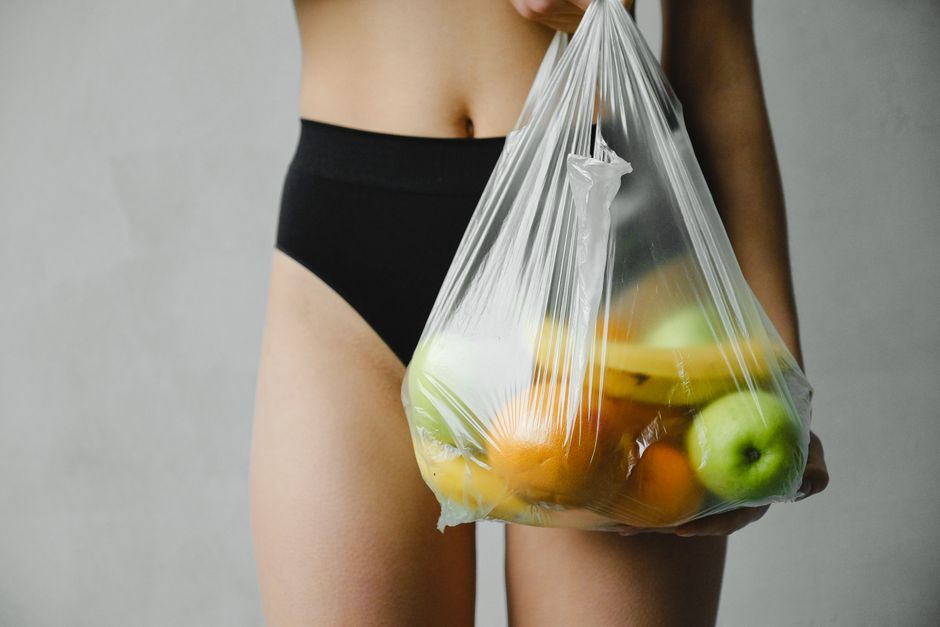
Diarrhea is your body’s way of flushing something out, and the fastest way to slow it down starts with what you eat. The most effective foods are bland, low-fiber, and easy to digest — the classic BRAT diet items like bananas, white rice, applesauce, and toast. These foods firm up stool and give your irritated digestive tract a break, helping you feel better within hours to a day.
What Foods Stop Diarrhea Fast?
The quickest relief comes from foods that are binding and gentle on the stomach. Bananas are at the top of the list because they are rich in pectin, a type of soluble fiber that absorbs excess water in the gut. White rice and plain toast work the same way — they are low in fiber and give the intestines minimal work to do.
Applesauce is another reliable choice. It provides pectin and simple sugars that are easy to absorb. The key is to eat these foods plain. No butter on the toast, no sugar in the applesauce, and no seasoning on the rice. Any added fat, spice, or dairy can re-trigger the digestive upset.
These foods do not cure the underlying cause of diarrhea. They manage the symptoms by slowing bowel movements and helping the stool regain form while your body clears the infection or irritation.
Why Do These Foods Help?
The digestive tract works by absorbing water and nutrients as food moves through it. During diarrhea, this process is disrupted. The intestinal lining is irritated, and food moves through too quickly for proper absorption. The result is loose, watery stool.
Low-fiber foods slow this process down. Insoluble fiber — found in whole grains, raw vegetables, and nuts — makes the intestines work harder and can make diarrhea worse. Soluble fiber, like the kind in bananas and applesauce, dissolves in water and forms a gel-like substance. This gel slows digestion and absorbs excess fluid in the bowel.
Starchy foods like white rice and plain crackers are quickly broken down and absorbed in the upper part of the digestive tract. This leaves less material for the lower intestines to push through, which reduces the frequency and urgency of bowel movements.
What to Eat Beyond the BRAT Diet
The BRAT diet — bananas, rice, applesauce, toast — was long considered the gold standard for diarrhea recovery. Modern guidance is slightly broader. The concern with the BRAT diet alone is that it is very low in protein, calories, and electrolytes. It is fine for a day or two, but it is not a complete recovery plan.
You can add other gentle foods that provide more nutrition without irritating the gut:
- Plain crackers — saltines or soda crackers are easy to digest and replace some sodium.
- Boiled potatoes — peeled and cooked without butter or oil, they are starchy and binding.
- Plain oatmeal — cooked soft, it provides soluble fiber and some protein.
- Broth-based soups — clear chicken or vegetable broth replaces fluids and electrolytes.
- Skinless baked chicken or fish — plain, not fried, and without heavy sauces.
- Cooked carrots or green beans — well-cooked until soft, they are easier to digest than raw.
These foods provide protein and nutrients while still being gentle on the digestive system. Introduce them gradually as your symptoms improve.



Foods to Avoid Until Diarrhea Stops
Certain foods will almost certainly make diarrhea worse. Avoid them until you have had formed stools for at least 24 hours.
- Dairy products — milk, cheese, and ice cream are hard to digest during diarrhea because intestinal enzymes that break down lactose are temporarily reduced.
- Fried and fatty foods — fat stimulates the intestines and can worsen cramping and loose stools.
- Spicy foods — capsaicin and other compounds irritate the already inflamed intestinal lining.
- Raw vegetables and fruits — their insoluble fiber is too harsh during the acute phase.
- Caffeine and alcohol — both are diuretics and stimulants that increase fluid loss and bowel activity.
- Sugar-free gum or candies — sugar alcohols like sorbitol and xylitol pull water into the intestines and cause diarrhea even in healthy people.
- High-sugar drinks and juices — they draw water into the bowel and can make diarrhea worse.
If you are unsure whether a food is safe, ask yourself one question: is it bland, cooked, and low in fiber? If not, wait until your symptoms resolve.
Fluids Matter More Than Food
Replacing lost fluids is the most important part of managing diarrhea. Dehydration is the main risk, especially if diarrhea lasts more than a day. Water alone is not enough because diarrhea depletes sodium, potassium, and chloride — electrolytes your body needs to function.
Oral rehydration solutions are the most effective option. These are available at pharmacies as pre-made liquids or powder packets. They contain the exact balance of salts and glucose that the intestines need to absorb water. Sports drinks are a partial substitute, but they often contain too much sugar and not enough salt.
Clear broths, diluted fruit juices, and coconut water also help. Sip fluids frequently rather than drinking large amounts at once, which can overwhelm the stomach. A good rule is to drink a cup of fluid after every loose stool.
Signs of dehydration include dark urine, dry mouth, dizziness, and feeling unusually tired. In children and older adults, dehydration can develop quickly. If these signs appear, seek medical attention.
When to See a Doctor
Most cases of diarrhea resolve on their own within two to three days. But some situations require medical evaluation. See a doctor if you experience any of the following:
- Diarrhea lasting more than three days
- High fever above 101°F (38.3°C)
- Blood or black, tarry stool
- Severe abdominal or rectal pain
- Signs of dehydration that do not improve with fluids
- Diarrhea after returning from a developing country
Diarrhea in infants, young children, pregnant women, and older adults warrants earlier medical attention. These groups are at higher risk for complications from fluid loss.
If diarrhea is caused by a bacterial infection, antibiotics may be needed. If it is caused by a virus, antibiotics will not help. Over-the-counter anti-diarrheal medications like loperamide (Imodium) can reduce symptoms, but they should not be used if you have a fever or blood in your stool — stopping the diarrhea may trap the infection in your body.
How Long Does Diarrhea Usually Last?
Most cases of acute diarrhea last one to three days. The timeline depends on the cause. Viral infections, which are the most common cause, typically run their course in two to three days. Food poisoning can resolve within 24 hours or last several days depending on the organism. Traveler’s diarrhea often clears within three to five days.
Following the dietary guidance above will not cure the infection, but it can reduce the number of bowel movements and help you feel more comfortable while your immune system does its job. Once diarrhea stops, continue eating bland foods for another day before returning to your normal diet. This gives the intestinal lining time to heal.
Some research suggests that probiotics — beneficial bacteria found in yogurt and supplements — may shorten the duration of diarrhea, particularly when it is caused by antibiotics or certain infections. The evidence is promising but not definitive, and the strains and doses that work best are not fully established. If you are already taking a probiotic, there is no harm in continuing. If you are not, it is not an emergency to start one.
What About Kids and Older Adults?
Children and older adults lose fluids faster and are more vulnerable to dehydration. For children, oral rehydration solutions are strongly preferred over water or juice. The BRAT diet is safe for children who are already eating solid foods, but do not restrict their diet for more than 24 hours without consulting a pediatrician.
For older adults, diarrhea can be more dangerous because the sense of thirst declines with age. They may not realize they are becoming dehydrated until symptoms are advanced. Caregivers should encourage regular fluid intake, even if the person says they are not thirsty.
No clinical guidelines currently recommend a specific diet for diarrhea in these groups beyond the general principles of bland, low-fiber foods and aggressive fluid replacement. When in doubt, contact a healthcare provider.
Frequently Asked Questions
What is the fastest food to stop diarrhea?
Bananas are the fastest food to help stop diarrhea because their pectin content absorbs excess water in the gut and firms up stool. White rice and plain toast work quickly for the same reason.
Is yogurt good for diarrhea?
Plain yogurt with live cultures may help some people because it contains probiotics that support gut bacteria, but dairy can worsen diarrhea in others due to temporary lactose intolerance. If you try yogurt, choose plain, unsweetened varieties and watch how your body responds.
Can I eat eggs when I have diarrhea?
Yes, eggs are generally safe to eat during diarrhea as long as they are cooked plain — boiled or scrambled without butter, oil, or milk. They provide protein without the fat and fiber that can aggravate symptoms.
How long should I wait before eating normally after diarrhea stops?
Wait at least 24 hours after your last loose stool before returning to your normal diet. Start with bland foods and add regular foods gradually to avoid re-triggering symptoms.
