
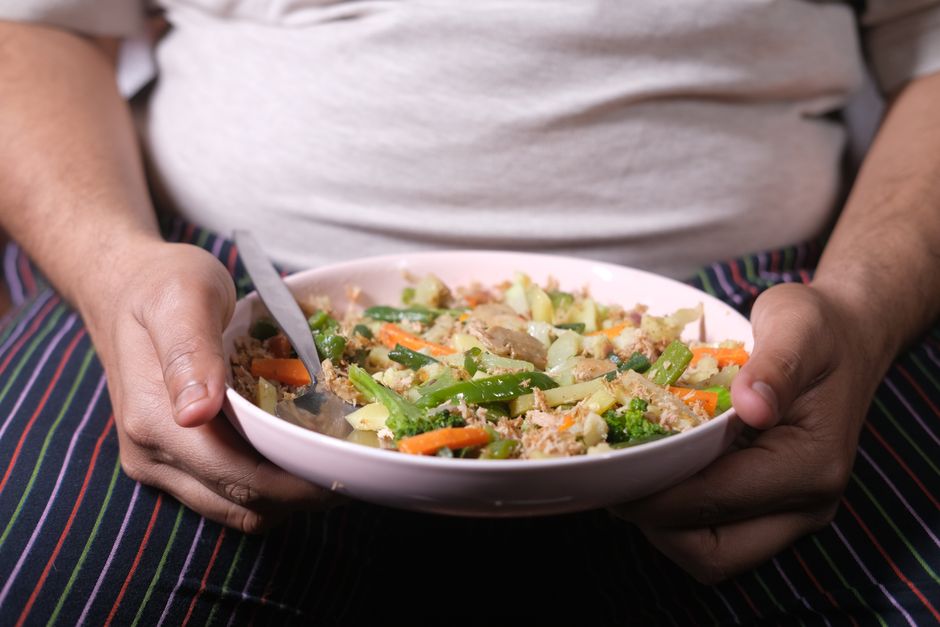
Colitis is inflammation of the colon, and certain foods can make the symptoms worse. The foods you should avoid with colitis are typically high-fiber foods, dairy products, spicy foods, alcohol, and caffeine. These foods can trigger cramping, diarrhea, and bloating, especially during a flare-up.
What Is Colitis and Why Does Food Matter?
Colitis means the inner lining of your colon is inflamed. This inflammation makes it harder for your colon to absorb water and process food normally. When you eat something that irritates the inflamed tissue, symptoms like urgent bowel movements, diarrhea, and pain can get worse quickly.
Food does not cause colitis. The cause is not fully understood, but it involves the immune system attacking the colon lining. However, food can absolutely trigger or worsen symptoms. Knowing your personal triggers is one of the most practical ways to manage daily discomfort.
Every person with colitis is different. A food that bothers one person may be fine for another. The lists below are general guidelines, not strict rules. Keeping a food diary can help you identify which foods are problems for you.
What Foods Should You Avoid With Colitis During a Flare-Up?
During an active flare-up, the colon is already irritated. The goal is to give it a rest. That means choosing foods that are easy to digest and avoiding anything that adds bulk or chemical irritation.
Foods to avoid during a flare-up include:
- High-fiber foods: Raw vegetables, whole grains, nuts, seeds, and popcorn
- Dairy products: Milk, soft cheeses, and ice cream if you are lactose intolerant
- Spicy foods: Hot peppers, curry, and hot sauces
- Alcohol and caffeine: Beer, wine, coffee, and energy drinks
- Fatty or fried foods: Fast food, creamy sauces, and greasy meats
- Sugar alcohols: Sorbitol and mannitol found in sugar-free gum and candies
These foods are not dangerous. They are simply harder for an inflamed colon to process. Removing them temporarily during a flare can reduce pain and the number of bowel movements you have each day.
Once symptoms improve, you can slowly add foods back one at a time. This is called a low-residue diet. It is often recommended by gastroenterologists during flare-ups because it reduces the amount of undigested food passing through the colon.
Why High-Fiber Foods Can Be Problematic
Fiber is normally good for digestive health. It adds bulk to stool and helps it move through the colon. But when the colon is inflamed, that bulk becomes a problem. The colon has to work harder to push high-fiber material through, which increases cramping and irritation.
Insoluble fiber is the main culprit. This is the type of fiber found in wheat bran, vegetables, and fruit skins. It does not dissolve in water and stays mostly intact as it travels through the digestive tract. For a healthy colon, that is fine. For an inflamed colon, it can feel like sandpaper.
Soluble fiber is different. It dissolves in water and forms a gel-like substance. Foods like oatmeal, bananas, and white rice contain soluble fiber. These are often better tolerated during a flare-up.
Some research suggests that a low-FODMAP diet helps some people with colitis. FODMAPs are certain types of carbohydrates that ferment in the colon and produce gas. This diet is complex and should be done with a dietitian. It is not a first-line treatment, but it can help identify specific triggers.



Dairy Products and Lactose Intolerance
Many people with colitis avoid dairy because it triggers symptoms. The reason is often lactose intolerance, not the colitis itself. Inflammation in the colon can reduce lactase, the enzyme that breaks down lactose. Even people who never had lactose problems before can develop it temporarily during a flare.
Lactose intolerance causes gas, bloating, and diarrhea. These symptoms overlap with colitis symptoms, making it hard to tell which condition is causing the problem. If dairy bothers you, try lactose-free milk or hard cheeses like cheddar and Swiss, which contain less lactose.
Yogurt with live cultures is sometimes better tolerated. The bacteria in yogurt help break down lactose. But this varies from person to person. If you are unsure, try a small amount and see how your body responds.
Spicy Foods, Alcohol, and Caffeine
Spicy foods contain capsaicin, the compound that gives peppers their heat. Capsaicin can speed up the movement of food through the colon. For someone with colitis, this can mean more frequent and more urgent bowel movements. It can also directly irritate an already inflamed colon lining.
Alcohol is a known irritant to the digestive tract. It can increase intestinal permeability, sometimes called “leaky gut.” It also dehydrates the body, which can make constipation worse during remission. During a flare, alcohol often worsens diarrhea.
Caffeine stimulates the muscles in the colon. This is why coffee makes many people need to use the bathroom shortly after drinking it. For someone with colitis, this stimulation can be intense and uncomfortable. Decaffeinated coffee and herbal teas are safer options.
These three triggers are not equally problematic for everyone. Some people tolerate small amounts of coffee or a glass of wine without issues. Others cannot touch any of them during a flare. Pay attention to your own patterns.
What Can You Eat Safely With Colitis?
Knowing what to avoid is only half the picture. You still need to eat. During a flare, the focus should be on foods that are gentle, nutritious, and easy to digest.
Generally well-tolerated foods include:
- White rice, white bread, and plain pasta
- Cooked vegetables without skins or seeds
- Bananas, applesauce, and peeled fruits
- Lean proteins like chicken, turkey, and fish
- Oatmeal and cream of wheat
- Broth-based soups
Eating smaller, more frequent meals can also help. Large meals put more pressure on the colon at once. Spreading food intake across the day reduces the workload on your digestive system.
Staying hydrated is critical. Diarrhea causes fluid loss, and dehydration can make you feel worse overall. Water, clear broths, and oral rehydration solutions are good choices. Avoid sugary drinks, which can draw water into the colon and worsen diarrhea.
How to Identify Your Personal Trigger Foods
The foods that bother you may not bother someone else with colitis. The only reliable way to know your triggers is to track them. A food diary is simple and effective. Write down everything you eat, the time you eat it, and any symptoms that follow.
Do this for at least two weeks. Then look for patterns. If diarrhea or pain consistently follows a specific food, that food is a likely trigger for you. Remove it for a week and see if symptoms improve. Then try it again to confirm.
This process is called an elimination diet. It is the gold standard for identifying food sensitivities. It takes time and patience, but it gives you personal data rather than general advice.
Some clinicians recommend working with a registered dietitian who specializes in inflammatory bowel disease. They can help you design an elimination diet that is nutritionally complete. Removing too many foods at once can lead to nutrient deficiencies.
What the Evidence Says About Diet and Colitis
The evidence on diet and colitis is growing, but it is not settled. There is no single diet that works for everyone. Research consistently shows that diet affects symptoms, but the exact mechanisms are still being studied.
Some studies suggest that a Mediterranean-style diet may reduce inflammation. This diet is rich in fruits, vegetables, fish, and olive oil. However, this research is mostly observational. It does not prove that the diet causes improvement.
Other research has looked at specific nutrients. Omega-3 fatty acids found in fish oil have anti-inflammatory properties. Some studies suggest they may help, but results are mixed. No large clinical trial has confirmed that omega-3 supplements are an effective treatment for colitis.
Probiotics have also been studied. The idea is that balancing gut bacteria might reduce inflammation. Some evidence supports this, but the results vary by strain and by person. No specific probiotic product has been proven to treat colitis.
Be cautious with any diet or supplement that claims to cure colitis. There is no cure. Some people find that certain diets put them into remission, but this is not the same as a cure. The disease can still return.
When to See a Doctor
Diet changes can help manage symptoms, but they are not a replacement for medical treatment. Colitis is a serious condition that requires ongoing care. If you have been diagnosed, follow your doctor’s treatment plan.
See your doctor if you experience:
- Blood in your stool
- Severe abdominal pain
- Fever
- Unexplained weight loss
- Symptoms that do not improve with diet changes
These can be signs of a more serious flare or complications. Do not wait to seek help. Colitis can lead to complications like severe bleeding, perforation of the colon, or an increased risk of colon cancer over time.
If you have not been diagnosed but suspect you have colitis, see a doctor before changing your diet. Many conditions cause similar symptoms. A proper diagnosis is essential before you start any dietary plan.
Frequently Asked Questions
Can I eat salad with colitis?
Raw vegetables like salad are often hard to digest during a flare-up. Try cooked or well-steamed vegetables instead, which are gentler on an inflamed colon.
Is coffee bad for colitis?
Coffee can stimulate the colon and worsen diarrhea, especially during a flare. If caffeine bothers you, try decaf or herbal tea to see if symptoms improve.
Can I eat dairy products if I have colitis?
Many people with colitis develop temporary lactose intolerance during flares. Lactose-free milk and hard cheeses are often better tolerated than soft dairy products.
Will a low-fiber diet cure my colitis?
No diet cures colitis. A low-fiber diet can reduce symptoms during a flare, but it does not treat the underlying inflammation. Medical treatment is still necessary.
