
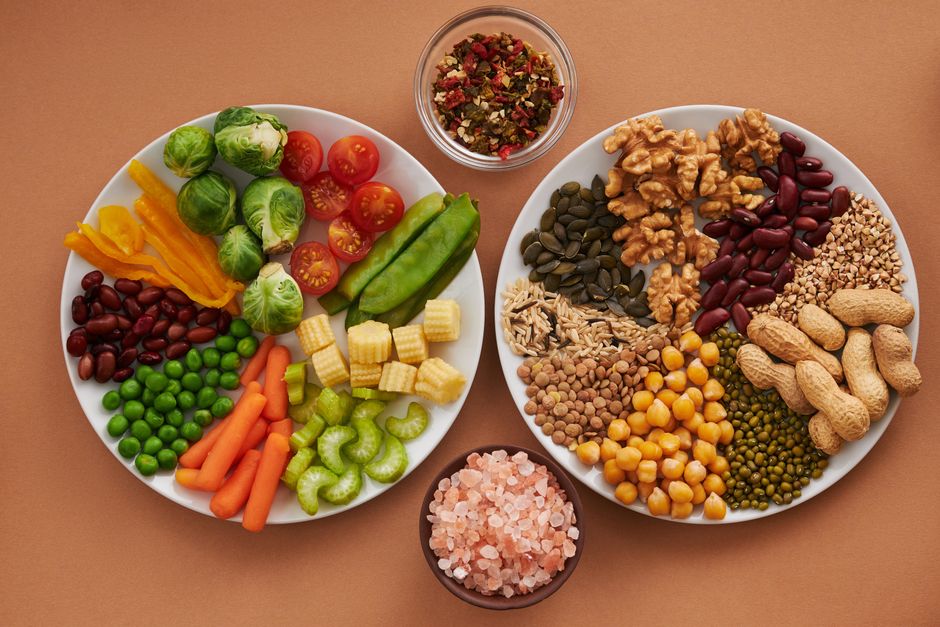
If you have kidney disease, the foods to limit most are those high in sodium, potassium, phosphorus, and refined sugar — and in some cases, protein. That means processed meats, canned soups, salty snacks, cola drinks, dairy in large amounts, bananas and oranges, potatoes, and whole-grain products can all be problematic. The right restrictions depend on your stage of kidney disease and your blood test results, so the list is not the same for every patient.
Kidneys filter waste and balance minerals in the blood. When they lose function, those minerals build up. What you eat directly affects how hard your kidneys have to work and how much waste accumulates. This guide explains which foods are commonly limited and why.
Why Do Kidney Patients Need to Watch Certain Foods?
Healthy kidneys remove excess potassium, phosphorus, sodium, and urea from the blood. When kidney function drops, these substances accumulate. High potassium can disrupt heart rhythm. High phosphorus pulls calcium from bones and can cause itching and vascular problems. Excess sodium raises blood pressure, which further damages kidneys.
The kidneys also regulate fluid balance. When they cannot concentrate urine properly, fluid builds up, causing swelling and shortness of breath. Limiting sodium helps control this.
Protein is another consideration. The kidneys process protein breakdown products, including urea. Some clinicians recommend moderating protein intake in advanced kidney disease to reduce this workload. However, protein restriction is not appropriate for everyone, and it should never be attempted without medical supervision because it can lead to malnutrition if done incorrectly.
The specific foods you need to limit depend on your lab results. Two patients at the same stage of kidney disease may have very different dietary needs. This is why a nephrologist or renal dietitian tailors the plan to the individual.
What Foods Should Kidney Patients Avoid Eating? The Highest-Priority List
Certain foods appear on nearly every kidney-friendly eating plan because they are concentrated sources of the minerals kidneys struggle to clear. The table below groups them by the mineral they carry.
| Mineral or Component | Common Food Sources | Why It Matters |
|---|---|---|
| Sodium | Canned soups, processed meats, frozen dinners, salty snacks, restaurant food | Raises blood pressure, worsens fluid retention and kidney damage |
| Potassium | Bananas, oranges, potatoes, tomatoes, spinach, avocados, dried fruit | Can cause dangerous heart rhythm problems when levels rise |
| Phosphorus | Cola drinks, dairy products, processed foods with phosphate additives, organ meats | Contributes to bone disease and calcification of blood vessels |
| Added sugar | Sweets, sugary drinks, processed snacks | Raises diabetes and obesity risk, both major causes of kidney damage |
Sodium is usually the first target. The Dietary Guidelines for Americans recommend keeping sodium under 2,300 mg per day for the general population. Many kidney care plans aim lower, though the exact target should come from your care team.
Potassium is trickier. Not everyone with kidney disease needs to limit it. In early stages, potassium may remain normal. In advanced stages, or when certain blood pressure medications are used, potassium can rise dangerously. Your blood tests tell the story.
Phosphorus deserves special attention because food labels do not always list it. Phosphate additives are common in processed foods and are absorbed more completely than natural phosphorus. Avoiding foods with added phosphates is often more important than limiting natural phosphorus from whole foods.
Are All Fruits and Vegetables Off-Limits?
No. Many fruits and vegetables are fine and even beneficial. The key is choosing lower-potassium options and controlling portions.
Lower-potassium fruits include apples, berries, grapes, pineapple, and cranberries. Lower-potassium vegetables include green beans, cabbage, carrots, cauliflower, cucumbers, and peppers. These can be part of a balanced kidney-friendly diet.
Some high-potassium vegetables can be made safer with preparation. Soaking sliced potatoes in water and then boiling them can reduce potassium content. This does not eliminate it, but it lowers it. Leaching is a common technique taught by renal dietitians.
Portion size matters as much as the food itself. A small amount of a higher-potassium food may fit within your daily allowance. A large amount of a lower-potassium food could still add up. Tracking total intake is more useful than avoiding entire categories.




What About Protein Foods Like Meat, Dairy, and Beans?
Protein needs in kidney disease are individual. In early stages, normal protein intake is generally fine. In advanced stages, some clinicians recommend reducing protein to ease the kidneys’ workload. The evidence on how much this helps is mixed, and the risk of malnutrition is real.
Dairy is a special case. Milk, cheese, and yogurt are high in both phosphorus and potassium. Many kidney patients are advised to limit dairy or switch to alternatives. However, dairy is also a major calcium source, so cutting it entirely requires planning to avoid bone problems.
Plant proteins like beans and lentils are high in potassium and phosphorus, but the phosphorus in plant foods is absorbed less completely than phosphorus from animal sources or additives. Some research suggests plant-based proteins may be gentler on kidneys, though the evidence is not definitive. Beans should be counted toward your potassium allowance.
Processed meats — bacon, sausage, deli meats, hot dogs — combine high sodium with phosphate additives. They are among the worst choices for kidney patients.
Do Beverages Matter for Kidney Patients?
Yes. Dark colas contain phosphate additives and should be limited or avoided. Many sports drinks and flavored waters are high in potassium and sodium. Some bottled teas and juices are fortified with minerals that add to your load.
Water is generally the best choice, but fluid intake itself may need to be restricted in advanced kidney disease or dialysis. Your care team will tell you whether you need to limit fluids and by how much.
Herbal supplements and teas are a hidden risk. Some contain high potassium or compounds that stress the kidneys. Always check with your doctor before using any supplement. This is not a case where natural means safe.
How Do You Read Food Labels for Kidney Health?
Food labels are your most useful tool. Look at three numbers: sodium, potassium, and phosphorus. Sodium is listed on every label. Potassium is listed on most. Phosphorus is often not listed, which makes added phosphates hard to spot.
Check the ingredient list for words containing “phos” — phosphoric acid, sodium phosphate, calcium phosphate. If you see them, the product has added phosphorus. Avoid it when possible.
Watch for serving size tricks. A label may show low sodium per serving, but the package may contain several servings. Multiply by the number of servings you actually eat.
Restaurant food is a major sodium source. Cooking at home gives you control. When eating out, ask for sauces and dressings on the side and request no added salt.
Working with a renal dietitian is one of the most effective steps you can take. A dietitian can translate your lab results into a specific food plan. Research on dietary counseling in kidney disease generally shows better outcomes when patients receive individualized guidance rather than generic lists.
Does Everyone With Kidney Disease Need the Same Restrictions?
No. The dietary plan for someone with early-stage kidney disease is very different from the plan for someone on dialysis. Early-stage patients often need only modest changes, mainly sodium control and blood pressure management. Dialysis patients typically need tighter control of potassium, phosphorus, and fluid.
People with kidney stones have different dietary concerns, often centered on fluid intake, sodium, and specific foods related to stone type. People with a single kidney but normal function usually do not need special restrictions.
Diabetes and high blood pressure are the two leading causes of kidney disease in the United States. For these patients, diet serves double duty: protecting kidneys and managing the underlying condition. Blood sugar control and blood pressure control are central to slowing kidney damage.
This is the part many people miss. Diet is not just about avoiding certain foods. It is about managing the conditions that damage kidneys in the first place. For someone with diabetes, consistent carbohydrate control may matter as much as potassium restriction.
Frequently Asked Questions
Can kidney patients eat bananas?
Bananas are high in potassium and are often limited in advanced kidney disease. Whether you can eat them depends on your blood potassium level, so check with your care team.
Is salt bad for kidney disease?
Yes, excess sodium raises blood pressure and worsens fluid retention, both of which stress damaged kidneys. Most kidney care plans recommend limiting sodium, often below the general guideline of 2,300 mg per day.
Can drinking too much cola harm your kidneys?
Dark colas contain phosphate additives that can raise phosphorus levels in people with reduced kidney function. They are commonly limited in kidney-friendly diets.
Do kidney patients need to avoid all dairy?
No, but dairy is high in phosphorus and potassium, so many patients are advised to limit it. Cutting dairy entirely requires planning to maintain calcium intake, so discuss it with your dietitian.
