
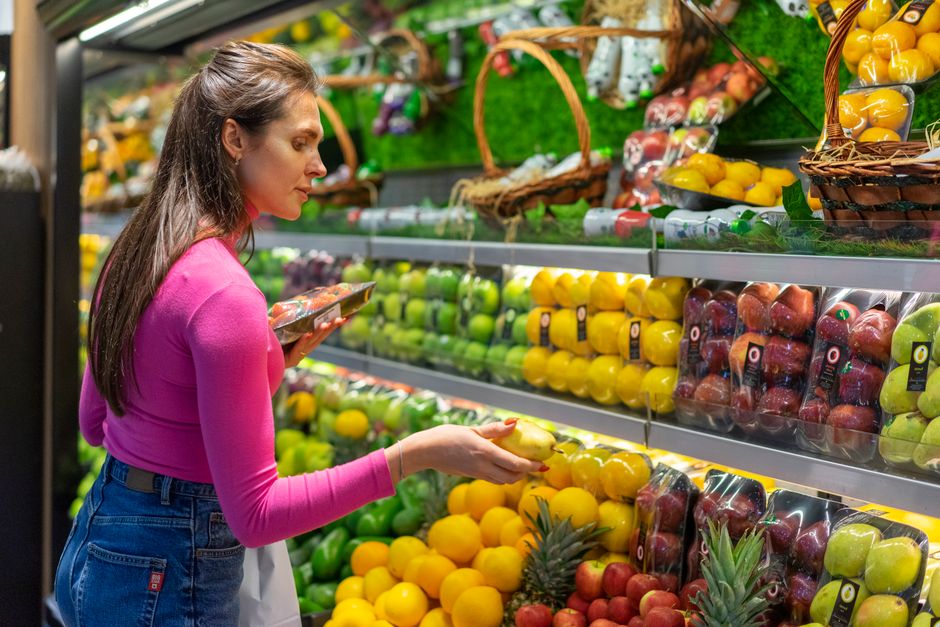
Not every fruit and vegetable needs to be organic. The Environmental Working Group’s Shopper’s Guide to Pesticides in Produce lists the 12 most contaminated items (the Dirty Dozen) and the 15 least contaminated (the Clean Fifteen). For Dirty Dozen items, buying organic can meaningfully reduce your pesticide exposure. For Clean Fifteen items, conventional versions are a safe, budget-friendly choice.
What Is the Dirty Dozen?
The Dirty Dozen is a yearly list of fresh produce with the highest pesticide residues after conventional farming. The list commonly includes strawberries, spinach, kale, nectarines, apples, grapes, peaches, cherries, pears, tomatoes, celery, and potatoes. These foods are often eaten with the skin on and have thin skins that allow pesticides to penetrate. Washing helps but does not remove all residues.
The list is based on tests from the USDA and FDA. It does not mean these foods are dangerous to eat conventionally. It means that if you can afford organic, these are the items where the switch makes the biggest difference in pesticide exposure.
What Is the Clean Fifteen?
The Clean Fifteen are the conventionally grown fruits and vegetables with the lowest pesticide residues. The list usually includes avocados, sweet corn, pineapples, onions, papaya, frozen sweet peas, asparagus, honeydew melon, kiwi, cabbage, watermelon, mushrooms, mangoes, sweet potatoes, and carrots. These foods have thick, inedible skins or outer layers that protect the edible parts from direct pesticide contact.
For these items, there is little benefit to buying organic. You can safely prioritize your grocery budget toward organic Dirty Dozen items and feel confident buying conventional Clean Fifteen produce.
Does Organic Food Have More Nutrients?
The idea that organic produce is more nutritious is not well supported by research. Some studies find small differences — slightly higher antioxidant levels in some organic fruits and vegetables — but the differences are not large enough to produce a noticeable health benefit. Most nutrition scientists agree that the main advantage of organic food is lower synthetic pesticide residues, not superior nutrition.
Eating enough fruits and vegetables matters far more than whether they are organic or conventional. A person who eats five servings of conventional produce daily is healthier than someone who eats two servings of organic produce. Do not let organic labels discourage you from eating plenty of fruits and vegetables.




Is It Worth Paying Extra for Organic?
For Dirty Dozen foods, yes — the higher cost buys lower pesticide exposure. For Clean Fifteen foods, it is generally not worth the extra money because residues are already very low. Use the Dirty Dozen/Clean Fifteen guide as a simple tool to allocate your budget. If you can afford all organic, that is fine. If not, prioritize organic for the items you eat most and that are on the Dirty Dozen.
Keep in mind that organic does not mean pesticide-free. Organic farmers use approved natural pesticides, but they break down faster and usually leave lower residues. The key advantage is less synthetic pesticide exposure, not zero pesticides.
What About Animal Products Like Meat and Dairy?
For meat, poultry, eggs, and dairy, organic standards require animals to have access to pasture and cannot be given antibiotics or growth hormones. Some studies show organic milk contains slightly higher omega-3 fatty acids, but the evidence is inconsistent. The main reason people choose organic animal products is to avoid antibiotic residues and to support animal welfare practices.
Conventional meat and dairy are strictly regulated by the USDA and FDA and are safe to eat. If your budget allows, organic animal products can be a personal choice. If not, conventional versions are a healthy, affordable option. There is no strong evidence that organic animal products lead to better health outcomes.
Should I Only Buy Organic?
No. The most important thing for your health is to eat a diet rich in fruits, vegetables, whole grains, and lean proteins — whether organic or conventional. The health risks from pesticide residues on conventionally grown produce are extremely low for most people. The health benefits of eating produce exceed any hypothetical risk from residues. The Centers for Disease Control and Prevention and the World Health Organization both emphasize that eating fruits and vegetables, regardless of farming method, is essential for good health.
If you are concerned about pesticide exposure, focus on washing all produce thoroughly under running water, peeling when possible, and using the Dirty Dozen/Clean Fifteen list as a practical guide — not a source of anxiety.
Frequently Asked Questions
Does washing remove all pesticides from conventional produce?
Washing under running water removes some surface residues but does not eliminate pesticides that have been absorbed into the skin or flesh. Peeling can remove more, but may also remove fiber and nutrients.
Is organic food always better for the environment?
Not always. Organic farming uses less synthetic pesticides but often requires more land and water per unit of food produced. The environmental impact depends on many factors beyond the organic label.
Are organic foods safer for children?
Children are more sensitive to pesticide exposure due to their smaller size and developing bodies. Choosing organic for Dirty Dozen items can reduce their exposure, but conventional produce is still safe. The larger priority is to encourage children to eat a variety of fruits and vegetables.
Can I trust the USDA organic label?
The USDA organic label means the product was grown or raised according to federal organic standards, including restrictions on synthetic pesticides, fertilizers, antibiotics, and growth hormones. It is a reliable certification for production methods, not a guarantee of superior nutrition or safety.
