

What you eat over decades can shape how your brain ages. Research consistently links certain dietary patterns — especially those high in processed meats, refined sugars, and saturated fats — to a higher risk of cognitive decline and dementia. Diets rich in vegetables, fruits, whole grains, fish, and healthy fats are associated with lower risk in many large population studies.
The connection is not about one meal or one ingredient. It is about patterns built over years. No single food causes dementia, and no single food prevents it. But the weight of evidence points to some foods being consistently associated with higher risk.
What Foods Are Linked To Dementia Risk?
Several categories of food appear repeatedly in research as associated with higher dementia risk. The strongest signals come from processed meats, refined carbohydrates, and diets heavy in saturated and trans fats.
Processed meats — bacon, sausage, hot dogs, deli meats — show up in multiple large studies as linked to cognitive decline. A study published in the American Journal of Clinical Nutrition found that higher consumption of processed meats was associated with increased dementia risk over follow-up periods of several years.
Refined carbohydrates — white bread, white rice, pastries, sugary cereals — spike blood sugar quickly. Chronic blood sugar spikes are linked to insulin resistance, which research increasingly connects to cognitive decline.
Added sugars and sugary drinks — regular soda, sweetened coffee drinks, candy — contribute to metabolic problems that affect the brain over time. Some studies suggest that high sugar intake is associated with poorer cognitive function, though the evidence is stronger for overall cardiometabolic health than for dementia specifically.
Highly processed foods — packaged snacks, frozen meals with long ingredient lists, fast food — tend to combine several risk factors at once: refined carbs, added sugars, unhealthy fats, and sodium.
Trans fats — partially hydrogenated oils — have been largely removed from the US food supply, but where they remain, they are linked to inflammation and cardiovascular harm, both of which affect brain health.
The common thread is not that these foods are toxic. It is that they tend to displace foods that support brain health, and they promote inflammation, insulin resistance, and vascular damage — all mechanisms that research links to dementia.
How Does Diet Affect Dementia Risk?
Diet influences dementia risk through several well-established pathways. The brain depends on steady blood flow, controlled blood sugar, and low chronic inflammation. What you eat affects all three.
Vascular health. The brain receives about 20% of the body’s blood flow. Conditions that damage blood vessels — high blood pressure, high cholesterol, diabetes — also damage the brain. Diets high in saturated fat and sodium contribute to these conditions. Vascular dementia, the second most common type after Alzheimer’s disease, results directly from reduced blood flow to the brain.
Insulin resistance. The brain uses glucose for energy. When cells become resistant to insulin, the brain’s ability to use glucose is impaired. Some researchers describe Alzheimer’s disease as having features of “type 3 diabetes,” though this is a hypothesis, not an established diagnosis. What is established: type 2 diabetes is a risk factor for dementia.
Inflammation. Chronic low-grade inflammation is associated with cognitive decline. Diets high in processed foods and refined sugars promote inflammation. Diets rich in omega-3 fatty acids, fiber, and antioxidants tend to reduce it.
Gut health. The gut microbiome interacts with the brain through the gut-brain axis. Some research suggests that a diet that supports diverse gut bacteria may also support brain health, but this area is still emerging. The evidence is not yet strong enough to make specific claims about dementia prevention through gut bacteria alone.
These mechanisms overlap. A diet that harms blood vessels also promotes inflammation and worsens insulin resistance. The cumulative effect over decades is what matters most.
What Does The Research Actually Show?
Observational studies consistently find associations between certain dietary patterns and dementia risk. These studies follow large groups of people over many years and track what they eat and whether they develop cognitive problems.
The most studied dietary pattern is the Mediterranean diet. Research published in journals including Neurology and JAMA Neurology has found that people who closely follow a Mediterranean-style diet tend to have lower rates of cognitive decline and dementia. The MIND diet — a hybrid of the Mediterranean and DASH diets designed specifically for brain health — has also shown promising results in observational studies.
But observational studies cannot prove cause and effect. People who eat Mediterranean-style diets may also exercise more, smoke less, and have better access to healthcare. Researchers try to control for these factors, but residual confounding is always possible.
Randomized controlled trials — the gold standard — are limited in dementia research. It is difficult and expensive to randomize people to different diets for decades. The few shorter trials that exist have shown some cognitive benefits from Mediterranean-style eating, but they are not long enough or large enough to definitively prove dementia prevention.
The honest summary: the evidence is strong for an association, moderate for a causal link, and insufficient to say that any specific diet prevents dementia with certainty.
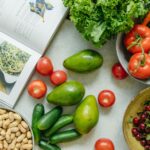




Are There Foods That May Lower Dementia Risk?
Yes. Certain foods appear consistently in studies as associated with lower dementia risk. These are not magic bullets, but they are part of patterns that show benefit.
- Fatty fish — salmon, mackerel, sardines, tuna — rich in omega-3 fatty acids, which are linked to lower dementia risk in some studies.
- Leafy greens — spinach, kale, collards — high in folate, vitamin K, and antioxidants.
- Berries — especially blueberries and strawberries — contain flavonoids that some research links to slower cognitive decline.
- Nuts and seeds — walnuts, flaxseed, chia — provide healthy fats and vitamin E.
- Whole grains — oats, brown rice, quinoa — support steady blood sugar and heart health.
- Beans and legumes — fiber-rich and associated with better metabolic health.
- Olive oil — a cornerstone of the Mediterranean diet.
- Poultry — in moderation, as a replacement for processed meats.
These foods are not proven to prevent dementia on their own. They are components of dietary patterns that research associates with lower risk. The pattern matters more than any single item.
What About Alcohol And Caffeine?
Alcohol and caffeine both have complex relationships with dementia risk. Neither is straightforward.
Alcohol. Heavy drinking is a well-established risk factor for dementia, including alcohol-related brain damage. Moderate drinking — often defined as up to one drink per day for women and up to two for men — has shown mixed results in research. Some studies suggest a slight protective effect; others find no benefit or harm. Recent large studies have leaned toward the conclusion that any level of drinking carries some risk, and that the safest level for brain health is none. The evidence is mixed, and no level of alcohol is established as protective.
Caffeine. Some studies suggest that moderate coffee consumption is associated with lower dementia risk. Others find no connection. The evidence is not strong enough to recommend coffee for brain health. If you already drink coffee, there is no established reason to stop for dementia prevention.
For both, the key point is that neither is a proven strategy. Heavy alcohol use is clearly harmful. Moderate caffeine use is not clearly beneficial or harmful for dementia risk specifically.
Does Timing Matter For Brain Health?
Yes. The brain changes that lead to dementia begin years or decades before symptoms appear. Alzheimer’s disease, for example, involves the buildup of amyloid plaques and tau tangles that can start 10 to 20 years before memory loss becomes noticeable.
This means that what you eat in midlife — your 40s, 50s, and 60s — may matter more than what you eat in your 80s. Research on vascular risk factors consistently shows that controlling blood pressure, cholesterol, and blood sugar in midlife is associated with lower dementia risk later.
That does not mean it is ever too late. Some studies suggest that dietary changes even in later life may slow cognitive decline, though the evidence is weaker. The earlier you start, the more potential benefit. But improving your diet at any age is still worthwhile for overall health.
One non-obvious point: the brain is not just affected by what you eat. It is affected by what you do not eat. Nutrient deficiencies — vitamin B12, folate, vitamin D — can cause cognitive symptoms that mimic dementia. These are worth checking with a doctor, especially if cognitive changes appear suddenly.
What Is The Bottom Line?
No single food causes dementia. No single food prevents it. The evidence points to patterns: diets high in processed meats, refined carbs, added sugars, and unhealthy fats are associated with higher risk. Diets rich in vegetables, fruits, whole grains, fish, nuts, and olive oil are associated with lower risk.
The mechanisms are well established: vascular health, insulin resistance, and inflammation all affect the brain. Diet influences all three.
What remains uncertain is the exact size of the effect and whether dietary changes alone can prevent dementia in any individual. The evidence is strong enough to say that diet matters. It is not strong enough to say that any specific diet guarantees protection.
If you are concerned about dementia risk, talk to your doctor. They can assess your overall risk, check for reversible causes of cognitive symptoms, and help you make informed choices. Diet is one piece of a larger picture that includes exercise, sleep, social engagement, and managing conditions like high blood pressure and diabetes.
Frequently Asked Questions
What foods are linked to dementia risk?
Processed meats, refined carbohydrates, added sugars, and highly processed foods are most consistently linked to higher dementia risk in research. Diets high in saturated and trans fats also show associations with cognitive decline.
Can diet alone prevent dementia?
No clinical evidence currently confirms that diet alone prevents dementia. Dietary patterns are associated with risk, but dementia has multiple causes including genetics, age, and vascular health.
Is the Mediterranean diet good for brain health?
Research consistently associates Mediterranean-style eating with lower rates of cognitive decline and dementia. However, most of this evidence comes from observational studies, which cannot prove cause and effect.
Does alcohol increase dementia risk?
Heavy drinking is a well-established risk factor for dementia. The evidence on moderate drinking is mixed, and no level of alcohol is established as protective for brain health.
