
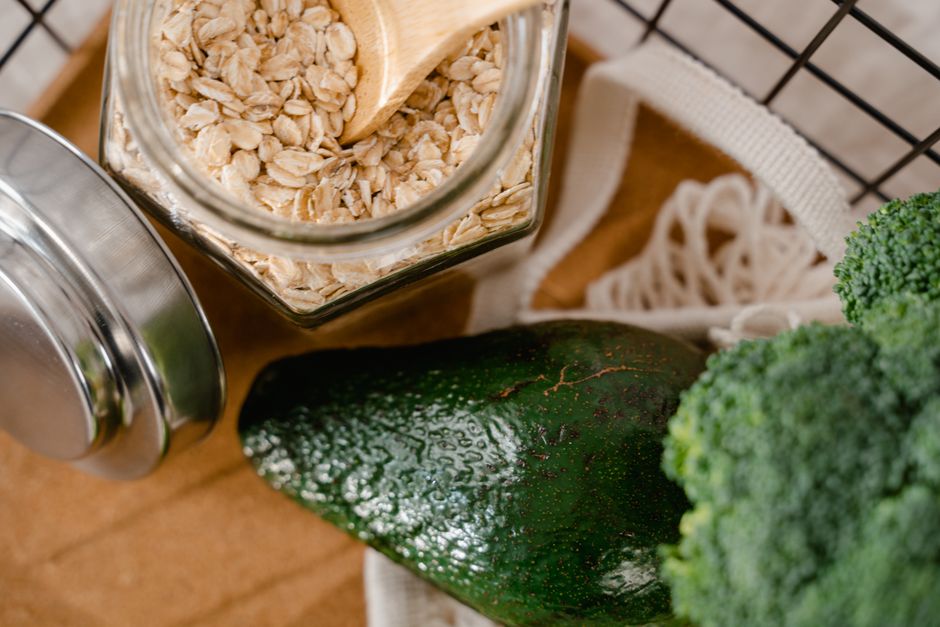
If your stool is hard and difficult to pass, the foods most likely to soften it are those high in soluble fiber, those that draw water into the gut, and those that help stool hold onto moisture. Oats, barley, beans, lentils, prunes, apples, pears, kiwi, and leafy greens are common examples. Water itself matters too, because fiber can only soften stool if there is enough fluid for it to absorb.
Hard stool is usually a sign that the colon has pulled too much water out of waste, or that waste has sat in the colon longer than usual. The right foods can change both of those things.
What Foods Soften Stool?
The foods that soften stool fall into a few clear groups. The strongest effect comes from soluble fiber, which forms a gel-like substance in the gut. That gel traps water and keeps stool soft and easier to pass.
Good sources of soluble fiber include:
- Oats and oat bran
- Barley
- Beans, lentils, and split peas
- Apples and pears, especially with the skin
- Psyllium seed husk, sold as a fiber supplement
- Carrots and other root vegetables
Prunes deserve their own mention. They contain soluble fiber plus a natural sugar alcohol called sorbitol, which pulls water into the intestines. Kiwi also has some evidence behind it for stool frequency and consistency, though the research is smaller than for fiber as a general category.
Insoluble fiber, found in whole grains, nuts, and the skins of many vegetables, adds bulk. It can help with regularity, but on its own it does not soften stool the way soluble fiber does. In fact, eating a lot of insoluble fiber without enough fluid can make hard stool worse.
How Does Fiber Actually Soften Stool?
Soluble fiber absorbs water and forms a gel. That gel keeps the stool moist as it moves through the colon. It also feeds beneficial bacteria in the large intestine, which ferment the fiber and produce short-chain fatty acids. These fatty acids draw more water into the colon and can speed up transit.
This is why fiber works best with fluid. If you add fiber without adding water, the fiber pulls moisture from what is already in your body, and stool can become harder, not softer. The two need to go together.
There is a second mechanism worth knowing. The colon’s main job is to reclaim water from waste. The longer waste stays there, the more water gets pulled out and the harder the stool becomes. By adding bulk and moisture, fiber helps waste move through faster, so less water is removed.
How Much Fiber Do You Need, and Does More Always Help?
Most adults are advised to get roughly 25 to 30 grams of fiber a day, though needs vary by age and sex. Many people in the US get far less than that. The gap between what people eat and what is recommended is one reason constipation is so common.
More fiber is not automatically better, though. Two things matter here.
First, increasing fiber too quickly can cause bloating, gas, and cramping. The gut bacteria need time to adjust. Adding a few grams at a time over a week or two is gentler than doubling your intake overnight.
Second, fiber can backfire in specific situations. If someone has a bowel obstruction, severe slow-transit constipation, or certain gut conditions, extra fiber may worsen symptoms rather than help. This is a case where a doctor’s input matters more than a general food list.
For most people with occasional hard stool, though, slowly increasing soluble fiber along with fluids is a reasonable first step.


Which Fruits and Vegetables Help Most?
Some produce has a stronger softening effect than others. Here is a practical look at common options.
| Food | Why it helps |
|---|---|
| Prunes | Soluble fiber plus sorbitol, which pulls water into the gut |
| Apples (with skin) | Pectin, a soluble fiber that forms a gel |
| Pears | Pectin and sorbitol |
| Kiwi | Fiber plus a natural enzyme; some evidence for stool frequency |
| Berries | Soluble and insoluble fiber together |
| Leafy greens | Fiber plus high water content |
| Beans and lentils | High soluble fiber; strong effect but can cause gas |
Fruit juices, especially prune and pear juice, can also soften stool because of their sorbitol content. But juice lacks the fiber of whole fruit and adds sugar, so whole fruit is generally the better choice for regular use.
Why Water and Fluids Matter as Much as Food
Fiber without fluid does not work well. This is one of the most common reasons people eat more fiber and see no improvement, or feel worse.
Water is what fiber absorbs. If you are dehydrated, your colon will pull water from stool to meet the body’s needs, and stool gets harder. Drinking enough fluid gives fiber something to work with.
There is no single number that fits everyone, since fluid needs depend on body size, activity, climate, and health. A common general guide is to drink enough that urine stays pale yellow. For people increasing fiber, adding an extra glass or two of water a day alongside the food changes is a reasonable step.
Warm liquids in the morning, including plain water or tea, may also help trigger the gastrocolic reflex, the natural wave of gut activity that follows eating or drinking.
What About Fiber Supplements?
Supplements can help when food alone is not enough, but they are not all the same. Psyllium is the most studied and is a soluble fiber that forms a gel, so it tends to soften stool. Other supplements, like wheat dextrin or methylcellulose, behave differently and may add bulk without as much softening.
Two cautions apply. First, supplements must be taken with a full glass of water, or they can make constipation worse. Second, some people find certain fiber supplements cause bloating. Starting with a smaller amount and increasing slowly is standard advice.
Supplements are not a replacement for a diet that includes fiber-rich foods, and they are not a fix for constipation caused by medication, thyroid problems, or other medical issues.
When Softening Stool With Food Is Not Enough
Diet changes help many people, but not all hard stool is a diet problem. If constipation lasts for weeks, comes with pain, blood, unexplained weight loss, or a major change in bowel habits, that needs medical evaluation. These can signal conditions that food will not fix.
Some common causes of hard stool that diet alone may not solve include:
- Medications such as opioids, some antidepressants, and iron supplements
- Thyroid conditions like hypothyroidism
- Irritable bowel syndrome, which can cause constipation in some people
- Pelvic floor problems that make it hard to pass stool even when it is soft
In these cases, a doctor can help identify the cause. Sometimes a medication change or a specific treatment is what actually helps.
Practical Steps That Tend to Work
If you want to soften stool with food, the approach that tends to work is steady and gradual rather than dramatic.
Add soluble fiber from oats, beans, fruit, and vegetables over a week or two. Increase fluids at the same time. Keep some insoluble fiber in your diet for bulk, but do not rely on it alone for softening. If you use a supplement, take it with plenty of water and start small.
Movement matters too. Physical activity helps stimulate normal bowel function, and sitting still for long periods tends to slow things down. A regular routine, including a consistent time to use the bathroom, supports the gut’s natural rhythm.
None of this is a guarantee. Bodies differ, and what softens stool for one person may do little for another. But for most people with occasional hard stool, fiber plus fluid is where the evidence points first.
Frequently Asked Questions
What foods soften stool fast?
Prunes, prune juice, and other foods high in soluble fiber like oats and beans tend to work relatively quickly, often within a day or two. No food softens stool instantly, since it has to travel through the digestive tract first.
Is banana good for softening stool?
Ripe bananas contain some soluble fiber and can help, but unripe green bananas contain resistant starch that may firm stool in some people. The effect depends on ripeness and the person.
Does drinking more water soften stool?
Water helps fiber work, so it supports softer stool, especially when you are also eating more fiber. Water alone is less effective if fiber intake stays low.
Can too much fiber make stool harder?
Yes, if you increase fiber without enough fluid, stool can become harder rather than softer. Increasing fiber and water together avoids this problem.
