
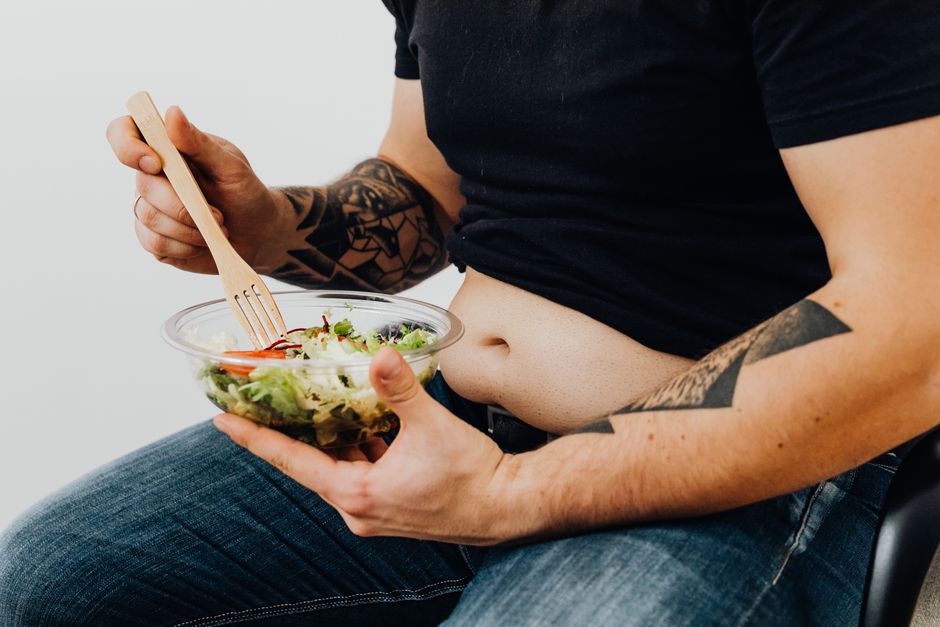
Belly fat is not just about how your jeans fit. It is a health issue. The fat stored deep inside your abdomen, called visceral fat, wraps around your organs and is linked to a higher risk of heart disease, type 2 diabetes, and other metabolic problems. The foods that contribute most to this kind of fat are the ones that spike your blood sugar and insulin levels rapidly. The worst offenders are sugary drinks, refined grains, processed meats, and foods high in added sugars and trans fats. These foods do not just add calories; they change how your body stores fat, pushing it toward your midsection.
Why Do Certain Foods Cause Belly Fat Specifically?
Not all calories behave the same way in your body. When you eat large amounts of refined carbohydrates and added sugars, your blood sugar rises quickly. Your pancreas releases a large amount of insulin to bring that sugar down. Insulin is a fat-storing hormone. High insulin levels tell your body to stop burning fat and start storing it, and they preferentially encourage storage in the abdominal area.
Visceral fat is more metabolically active than the fat just under your skin. It releases inflammatory compounds into your bloodstream. This is why reducing visceral fat is a priority for health, not just appearance. The foods you eat directly influence insulin levels and inflammation, which are the two main drivers of belly fat accumulation.
Fructose, a type of sugar found in many sweetened foods, is processed almost entirely by the liver. When you consume more fructose than the liver can handle, it gets converted into fat. Some of this fat stays in the liver, and some is exported as triglycerides. This process is a direct pathway from consuming sugary foods to increasing fat stores around your organs.
What Are the Absolute Worst Foods for Belly Fat?
Sugar-sweetened beverages are at the top of the list. This includes sodas, sweetened iced teas, fruit punches, and energy drinks. Liquid sugar does not make you feel full the way solid food does. You can drink hundreds of calories without feeling like you have eaten anything. Studies consistently link sugary drink consumption to increased visceral fat. Fruit juice is not a safe alternative; it contains nearly as much sugar as soda and lacks the fiber of whole fruit.
Refined grains are another major offender. White bread, white rice, pasta, and many breakfast cereals have been stripped of their fiber and nutrients. Without fiber, they digest very quickly and spike blood sugar. Whole grains like oats, brown rice, and quinoa digest slower and have a much smaller effect on insulin.
Processed meats such as bacon, sausage, hot dogs, and deli meats are problematic for several reasons. They are often high in saturated fat and sodium, and they contain preservatives. While their direct effect on belly fat is debated, their strong link to overall weight gain and metabolic disease is well established. Replacing processed meats with lean proteins like chicken, fish, or plant-based proteins is a clear improvement.
Foods labeled “low-fat” or “diet” often replace fat with sugar or refined carbohydrates. These products can be worse for your waistline than the full-fat versions. Salad dressings, flavored yogurts, and granola bars are common places where hidden sugars accumulate.
How Do Trans Fats and Fried Foods Affect Your Midsection?
Artificial trans fats are among the most harmful fats for abdominal fat. They are created by adding hydrogen to liquid vegetable oils to make them solid at room temperature. The FDA has largely banned artificial trans fats in the US because of their clear link to heart disease. However, some processed foods may still contain small amounts, and fried foods from restaurants can be cooked in partially hydrogenated oils.
Research in primates has shown that trans fats specifically increase visceral fat deposition compared to other fats with the same calorie count. This means that even if you eat the same number of calories, a diet high in trans fats may lead to more fat stored in your belly. Fried foods are a double problem. They are often cooked in unhealthy oils and coated in refined flour, combining the worst aspects of trans fats and refined carbohydrates.
Fast food meals frequently combine fried items, sugary drinks, and refined buns into one high-calorie event. A single meal can contain more than half of the daily recommended calories for an average adult. These meals are designed to be hyper-palatable, meaning they taste good enough to make you want to keep eating past the point of fullness.





Do Artificial Sweeteners Help or Hurt?
Diet sodas and sugar-free products are not a free pass. The evidence on artificial sweeteners and belly fat is mixed, but some research suggests they may not help. Some studies indicate that diet soda consumption is associated with increased waist circumference over time. The mechanism is not fully understood. One theory is that artificial sweeteners alter the gut microbiome, which can affect how your body processes glucose.
Another theory is that sweet taste, even without calories, keeps your brain expecting sugar. This can lead to increased cravings and overeating later. The evidence here is not as strong as the evidence against sugary drinks. But there is no clinical evidence that artificial sweeteners help reduce belly fat. If you are trying to lose weight, water, unsweetened tea, or sparkling water are safer choices than diet sodas.
What Should You Eat Instead to Reduce Belly Fat?
No single food will target belly fat directly. Spot reduction is a myth. The way to reduce visceral fat is to lower your overall body fat percentage through diet and exercise. However, some foods make this easier than others.
High-protein foods increase satiety and have a higher thermic effect, meaning your body burns more calories digesting them. Eggs, fish, chicken breast, Greek yogurt, and legumes are good sources. Soluble fiber, found in oats, apples, carrots, and beans, forms a gel in your gut. This slows digestion and can help reduce the absorption of fat and sugar.
Monounsaturated fats, found in olive oil, avocados, and nuts, have been associated with less belly fat in some studies. This does not mean you can eat unlimited amounts of these foods. They are calorie-dense. But replacing saturated fats and refined carbohydrates with these healthier fats is a positive change.
Vegetables, especially leafy greens, provide volume with very few calories. They fill your stomach and provide fiber and micronutrients. A practical plate looks like half vegetables, a quarter lean protein, and a quarter whole grains or starchy vegetables.
How Quickly Can You Lose Belly Fat After Changing Your Diet?
Visceral fat is actually easier to lose than subcutaneous fat in some ways. It is more metabolically active, so it responds quickly to calorie reduction and exercise. Some research shows that visceral fat decreases early in a weight loss program, often before you notice changes in your waistline measurements.
Expect measurable changes in waist circumference within four to eight weeks of consistent dietary change and regular physical activity. The exact timeline varies by individual. Factors like starting weight, age, genetics, and activity level all play a role. Crash diets are not the answer. Rapid weight loss often includes muscle loss, which slows your metabolism and makes it harder to keep the weight off.
A sustainable approach is to reduce calorie intake by 300 to 500 calories per day, focusing on eliminating sugary drinks and refined grains first. Add in at least 150 minutes of moderate aerobic activity per week, such as brisk walking or cycling. Resistance training twice per week helps preserve muscle mass, which supports a higher resting metabolic rate.
Frequently Asked Questions
Are bananas bad for belly fat?
No, bananas are not bad for belly fat. They contain fiber and resistant starch, which support gut health and satiety, and their sugar content is naturally occurring and paired with beneficial nutrients.
Does drinking water help reduce belly fat?
Drinking water can support weight loss by increasing fullness and slightly boosting metabolism, but it does not directly burn belly fat. Replacing sugary drinks with water eliminates hundreds of empty calories daily, which is one of the most effective single changes you can make.
Is all belly fat the same?
No. Subcutaneous fat sits just under the skin, while visceral fat surrounds your organs and poses greater health risks. Visceral fat is more strongly linked to heart disease and type 2 diabetes, and it responds well to dietary changes and exercise.
Can stress cause belly fat even with a healthy diet?
Yes. Chronic stress raises cortisol levels, which promotes fat storage in the abdominal area. Managing stress through sleep, physical activity, and relaxation techniques is an important part of reducing belly fat alongside dietary changes.
