
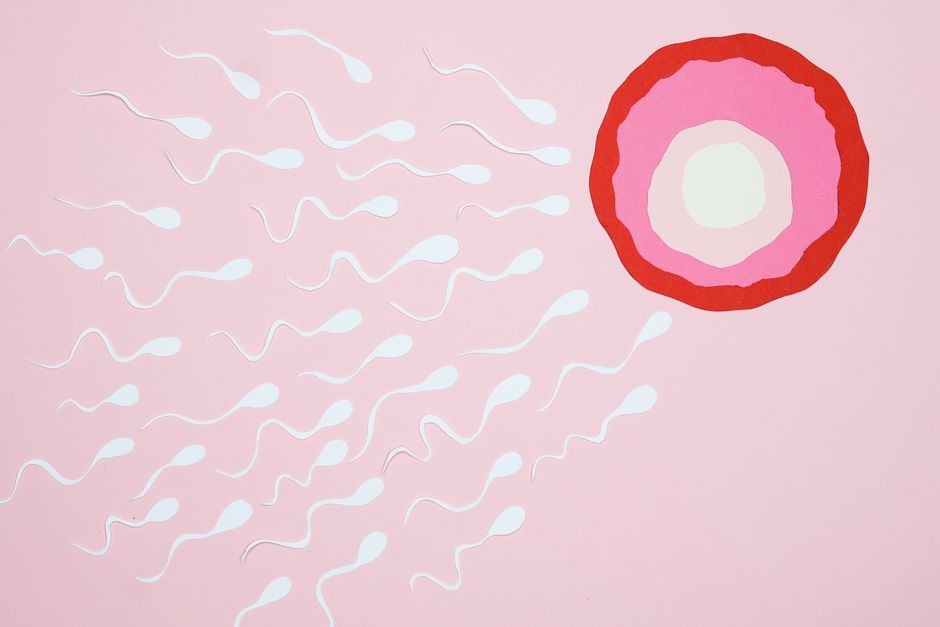
Healthy sperm depends on more than luck. The food you eat supplies the raw materials your body uses to build sperm cells, and some nutrients matter more than others. Certain foods can improve sperm concentration, motility, and shape — the three main measures of sperm health. Sperm quality reflects your overall health, and diet is one of the most controllable factors. Here is what the evidence shows about foods that make sperm thicker and stronger.
What Actually Determines Sperm Thickness and Strength?
Sperm “thickness” usually refers to semen volume and viscosity. Sperm “strength” refers to motility — how well sperm swim — and morphology, which is the shape of the sperm. All three matter for fertility.
Semen is mostly fluid produced by the prostate and seminal vesicles. Sperm cells themselves make up only a small fraction of the total volume. That fluid provides energy, protection, and a transport medium. When semen is too thin or too thick, it can affect how sperm travel.
Clinically, a normal sperm count is 15 million sperm per milliliter or higher, according to World Health Organization criteria. Normal total semen volume is 1.5 milliliters or more per ejaculate. Motility and morphology are assessed under a microscope. These numbers give you a baseline for understanding what “normal” looks like.
Diet affects all of these measures. But no single food is a magic fix. The evidence points to specific nutrients that support sperm production at the cellular level.
What Foods Make Sperm Thicker And Stronger?
The most direct answer is foods rich in zinc, selenium, omega-3 fatty acids, folate, and antioxidants. These nutrients protect sperm cells from oxidative damage and provide the building blocks for healthy sperm membranes and DNA.
Zinc is one of the most studied minerals for male fertility. It supports sperm formation and testosterone production. Oysters are famously high in zinc, but beef, crab, lobster, pumpkin seeds, and fortified cereals also provide significant amounts.
Selenium is a component of selenoproteins, which protect sperm from oxidative stress. Brazil nuts are the richest dietary source — just one or two nuts can meet your daily requirement. Tuna, sardines, eggs, and sunflower seeds also contain selenium.
Omega-3 fatty acids, especially DHA, are concentrated in sperm cell membranes. Higher DHA levels are associated with better sperm motility. Fatty fish like salmon, mackerel, and sardines are the best sources. Walnuts and flaxseeds provide plant-based omega-3s, though the conversion to DHA in the body is limited.
Folate is needed for DNA synthesis and cell division. Sperm production involves rapid cell division, so folate deficiency can impair the process. Leafy greens like spinach and kale, asparagus, beans, and lentils are good sources.
Antioxidants like vitamin C, vitamin E, and lycopene neutralize free radicals that damage sperm DNA. Citrus fruits, berries, tomatoes, nuts, and bell peppers are rich in these compounds. Some research suggests that antioxidant supplementation improves sperm parameters, though studies vary in quality.
How Oxidative Stress Damages Sperm
Sperm cells are unusually vulnerable to oxidative damage. They have limited internal repair systems and their membranes are rich in polyunsaturated fatty acids, which are easily oxidized. This is why antioxidants matter so much for sperm health.
Free radicals are unstable molecules that steal electrons from other molecules, causing cellular damage. When free radical production exceeds the body’s antioxidant defenses, the result is oxidative stress. In sperm, this damage can reduce motility, fragment DNA, and impair fertilization ability.
Your body produces free radicals as a normal byproduct of metabolism. But certain lifestyle factors increase the load — smoking, excessive alcohol, poor sleep, environmental toxins, and a diet high in processed foods. Reducing these exposures while increasing antioxidant intake is a two-pronged approach.
Some research suggests that men with infertility have higher levels of oxidative stress in their semen compared to fertile men. This does not prove causation in every case, but the association is consistent across multiple studies.




Specific Foods With the Strongest Evidence
No food has been proven in large trials to single-handedly improve sperm quality. But several foods appear repeatedly in research on male fertility.
- Walnuts: One study found that men who added 75 grams of walnuts daily to their diet for 12 weeks had improved sperm vitality, motility, and morphology compared to a control group. This is a single study with a modest sample size, but the results align with the omega-3 and antioxidant content of walnuts.
- Tomatoes: Lycopene, the pigment that makes tomatoes red, is a powerful antioxidant that concentrates in the testes. Some studies suggest lycopene supplementation improves sperm concentration and motility. Cooked tomatoes and tomato paste deliver lycopene more effectively than raw tomatoes because heat releases it from cell walls.
- Pumpkin seeds: These are rich in zinc and phytosterols, which some research links to improved testosterone levels and prostate health. The evidence is preliminary, but pumpkin seeds are a reasonable addition to a fertility-friendly diet.
- Dark leafy greens: Spinach, kale, and Swiss chard provide folate and nitrates. Nitrates improve blood flow, which matters because the testes require good circulation for optimal sperm production.
- Fatty fish: Salmon, sardines, and mackerel provide DHA and selenium. Men with higher fish intake tend to have better sperm parameters in observational studies.
These foods work best as part of a consistent dietary pattern. Occasional consumption is unlikely to change sperm quality. Sperm production takes about 64 to 72 days, so dietary changes need at least three months to show effects in semen analysis.
What About Supplements?
Supplement marketing around male fertility is aggressive. Many products claim to boost sperm count and motility. The evidence is more modest than the marketing suggests.
Some supplements have better support than others. Coenzyme Q10 has shown promise in several small trials for improving sperm motility. Zinc and folate supplementation has been studied in men with low sperm counts. Selenium and vitamin E combinations have been examined for improving sperm parameters.
But the quality of this research is mixed. Many studies are small, short-term, or poorly controlled. Some show benefits; others show no effect. No supplement has been proven to cure male infertility.
One important caution: high-dose selenium supplements can be toxic. The upper limit for adults is 400 micrograms per day. Brazil nuts alone can push you near this limit if eaten in large quantities. More is not better.
If you are considering supplements, the most reasonable approach is to address deficiencies first. A blood test can identify low levels of zinc, vitamin D, or folate. Correcting a genuine deficiency is more effective than taking high doses of nutrients you already have enough of.
Lifestyle Factors That Matter as Much as Diet
Diet does not operate in isolation. Several lifestyle factors directly affect sperm quality, and some can override the benefits of a good diet.
Smoking is consistently associated with lower sperm count, poorer motility, and more DNA damage. The toxins in cigarette smoke generate oxidative stress in the reproductive tract. Quitting smoking improves sperm parameters within months.
Alcohol affects sperm production through multiple mechanisms. Heavy drinking suppresses testosterone and impairs the liver’s ability to clear estrogen. The evidence on moderate drinking is mixed, but heavy use is clearly harmful.
Heat is a direct enemy of sperm production. The testes sit outside the body because they need to be cooler than core body temperature. Hot tubs, saunas, tight underwear, and prolonged sitting can raise scrotal temperature and reduce sperm production temporarily.
Sleep matters more than most men realize. Testosterone is largely produced during sleep, and chronic sleep deprivation lowers testosterone levels. Most research suggests that seven to eight hours of sleep per night is optimal for hormonal health.
Weight is another factor. Obesity is associated with lower testosterone and poorer sperm quality. Fat tissue converts testosterone to estrogen, creating a hormonal imbalance. Weight loss in obese men often improves sperm parameters.
Exercise has a complicated relationship with fertility. Moderate exercise improves sperm quality. Extreme endurance training can temporarily reduce sperm production. The sweet spot appears to be regular moderate activity rather than sporadic intense exercise.
How Long Until Diet Changes Show Results?
Sperm production takes about 64 to 72 days from start to finish. This means that dietary changes today will not show up in a semen analysis for at least two to three months.
If you are planning to make changes, commit to them for at least three full months before re-testing. This timeline applies to diet, supplements, lifestyle changes, and quitting smoking.
Semen analysis is the standard way to measure progress. A baseline test before making changes gives you a reference point. A follow-up test after three months shows whether the changes are working.
One caveat: sperm quality fluctuates naturally. A single abnormal result does not mean permanent infertility. Most clinicians recommend two or more tests several weeks apart before drawing conclusions.
Frequently Asked Questions
Can diet alone improve sperm quality?
Diet is one of the most controllable factors in sperm health, but it does not work alone. Lifestyle factors like smoking, alcohol, sleep, and weight also play major roles.
How long does it take for foods to improve sperm?
Sperm production takes about 64 to 72 days, so dietary changes need at least three months before you see improvements in a semen analysis.
What is the best food for sperm motility?
Fatty fish rich in omega-3s, especially DHA, have the strongest evidence for supporting sperm motility. Walnuts and other omega-3 sources may also help.
Do supplements work better than food for sperm health?
Supplements can help correct specific deficiencies, but food provides a broader range of nutrients that work together. No supplement has been proven to outperform a healthy diet.
