
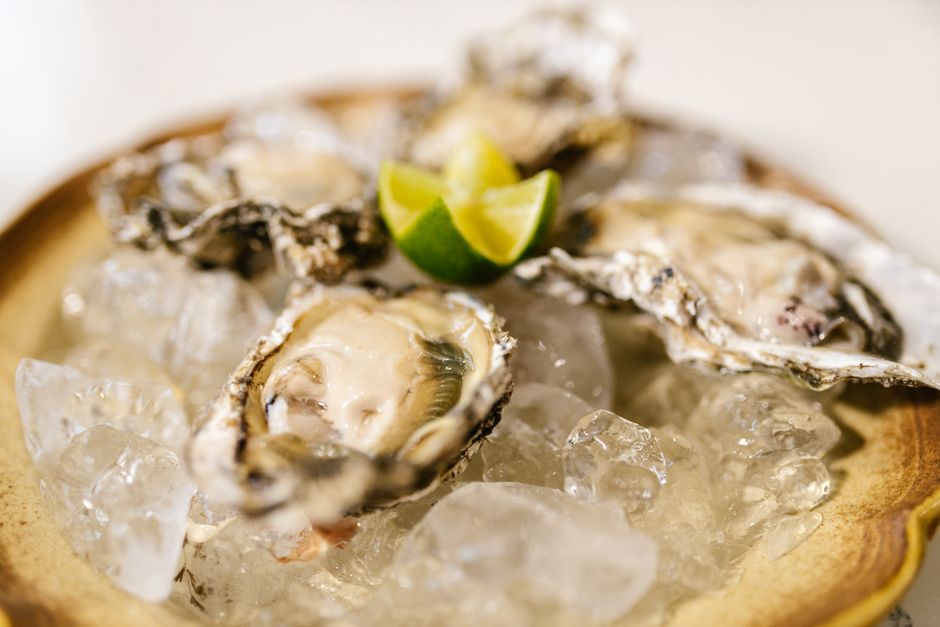
Oysters are the single richest food source of zinc, delivering more per serving than any other food. A small portion of cooked oysters can supply several times the daily zinc a typical adult needs. Red meat, especially beef, comes next, followed by crab, lobster, and fortified cereals. For people who eat plant-based diets, pumpkin seeds, hemp seeds, lentils, and chickpeas are the strongest sources, though the zinc in plants is absorbed less efficiently than the zinc in meat and seafood.
Zinc is a trace mineral your body cannot store in large amounts. You need a steady supply from food. It supports immune function, wound healing, and normal growth, and it plays a role in hundreds of enzyme reactions. Most adults in the US get enough zinc, but certain groups — vegetarians, older adults, and people with digestive conditions — are more likely to fall short.
What Foods Are Highest In Zinc?
Animal foods lead the list by a wide margin. This is not a small gap. The top seafood sources contain several times more zinc per serving than most plant foods.
Here is how common zinc-rich foods compare. Values are approximate and drawn from standard US nutrient databases. Portion sizes and cooking methods change the numbers, so treat these as a general guide rather than exact figures.
| Food | Typical serving | Zinc (approximate) |
|---|---|---|
| Oysters, cooked | 3 ounces | Very high — among the highest of any food |
| Beef, cooked | 3 ounces | High |
| Crab, cooked | 3 ounces | Moderate to high |
| Lobster, cooked | 3 ounces | Moderate |
| Pumpkin seeds | 1 ounce | Moderate to high |
| Lentils, cooked | 1 cup | Moderate |
| Chickpeas, cooked | 1 cup | Moderate |
| Fortified breakfast cereal | 1 serving | Varies widely by brand |
| Cashews | 1 ounce | Low to moderate |
Exact milligram values differ between databases and depend on the species, cut of meat, and how the food is prepared. What matters more is the pattern: shellfish and red meat sit at the top, seeds and legumes sit in the middle, and most vegetables and fruits sit near the bottom.
Why Is Zinc From Meat Absorbed Better Than Zinc From Plants?
The difference comes down to two compounds found in plant foods: phytates and fiber. Phytates are natural storage forms of phosphorus in seeds, grains, and legumes. They bind zinc in the gut and reduce how much your body can take in.
Meat and seafood contain no phytates. They also contain sulfur-containing amino acids and certain organic acids that appear to help zinc absorption. The result is that the zinc in a serving of beef is taken up more efficiently than the zinc in a serving of beans with the same zinc content.
This does not make plant foods a poor choice. It means vegetarians and vegans generally need to eat more zinc-rich plant foods to reach the same absorbed amount. Soaking beans and grains, sprouting seeds, and leavening bread with yeast can reduce phytate content and modestly improve absorption. Pairing plant zinc sources with vitamin C-rich foods may also help. The evidence for these strategies is real but the effect is modest — it does not close the gap entirely.
How Much Zinc Do You Actually Need?
The recommended dietary allowance for adults is 11 milligrams per day for men and 8 milligrams per day for women. These figures come from the Institute of Medicine (now the National Academy of Medicine) and are widely used in US dietary guidance.
Some groups need more:
- Pregnant women: the RDA rises to 11 milligrams per day.
- Breastfeeding women: the RDA rises to 12 milligrams per day.
- Vegetarians and vegans: because plant zinc is absorbed less efficiently, some guidance suggests aiming for up to 50 percent more than the standard RDA. This is a general recommendation rather than a precise clinical target.
For infants and young children, zinc needs are lower and are set by age. No clinical guidelines currently exist for using high-dose zinc supplements in healthy children outside of medical supervision. Food sources are the preferred route.
A single serving of oysters can exceed the daily requirement for an adult. That is not a problem in food form. Zinc toxicity is almost always linked to supplements, not diet.




Which Plant Foods Are Best For Zinc?
Seeds and legumes are the workhorses of plant-based zinc. Pumpkin seeds, hemp seeds, sesame seeds, and squash seeds are among the densest plant sources. Lentils, chickpeas, black beans, and kidney beans are reliable everyday options.
Whole grains contribute zinc too, though refining strips much of it away. Fortified cereals can be a meaningful source, but the amount added varies enormously between products. Check the label rather than assuming.
Nuts like cashews, almonds, and peanuts contain zinc in smaller amounts. They add up over a day but are not efficient primary sources on their own.
One clarification worth making: some lists online overstate the zinc in certain vegetables. Mushrooms, spinach, and kale contain zinc, but in modest amounts. They are healthy foods, not zinc powerhouses.
Who Is Most At Risk Of Low Zinc?
Zinc deficiency is uncommon in healthy adults eating a varied diet in the US. It is more likely in specific groups.
People with digestive conditions that impair nutrient absorption — such as Crohn’s disease, ulcerative colitis, or celiac disease — are at higher risk. So are people who have had bariatric surgery. Older adults often eat less and may absorb zinc less efficiently. Vegetarians and vegans face a higher risk if they do not compensate for reduced absorption. People who drink alcohol heavily are also more prone to low zinc.
Symptoms of deficiency can include slow wound healing, frequent infections, loss of taste or smell, and skin problems. These symptoms are not specific to zinc — many conditions cause them — so a blood test and a clinician’s assessment are needed to confirm. Do not self-diagnose based on symptoms alone.
Should You Take A Zinc Supplement?
Most people do not need one. Food sources are sufficient for the majority of adults, and the body regulates zinc from food well.
Supplements carry a real risk of going too high. The tolerable upper intake level for adults is 40 milligrams per day from supplements and food combined. Long-term intake above that can interfere with copper absorption and cause other problems. Zinc supplements can also interact with certain antibiotics and other medications, reducing how well they work.
Some clinicians recommend short-term zinc lozenges for cold symptoms, and some studies suggest a modest benefit when taken early. The evidence is mixed and the effect is not large. This is not the same as taking zinc daily for prevention, which has not been shown to be effective in well-designed trials.
If you are considering a supplement — especially during pregnancy, while breastfeeding, or for a child — talk to a healthcare provider first. Dosing for these groups should not be guessed.
Frequently Asked Questions
What food has the most zinc?
Oysters are the richest food source of zinc by a wide margin. A small serving can supply more than the daily requirement for an adult.
Is beef a good source of zinc?
Yes, beef is one of the strongest common sources, and the zinc in meat is absorbed efficiently. A 3-ounce cooked serving provides a meaningful amount toward the daily requirement.
Do bananas have zinc?
Bananas contain only small amounts of zinc and are not a meaningful source. Seeds, legumes, meat, and shellfish are far better choices.
How can vegetarians get enough zinc?
Vegetarians can meet zinc needs through pumpkin seeds, hemp seeds, lentils, chickpeas, and fortified cereals. Because plant zinc is absorbed less efficiently, aiming somewhat higher than the standard RDA is a reasonable approach.
