
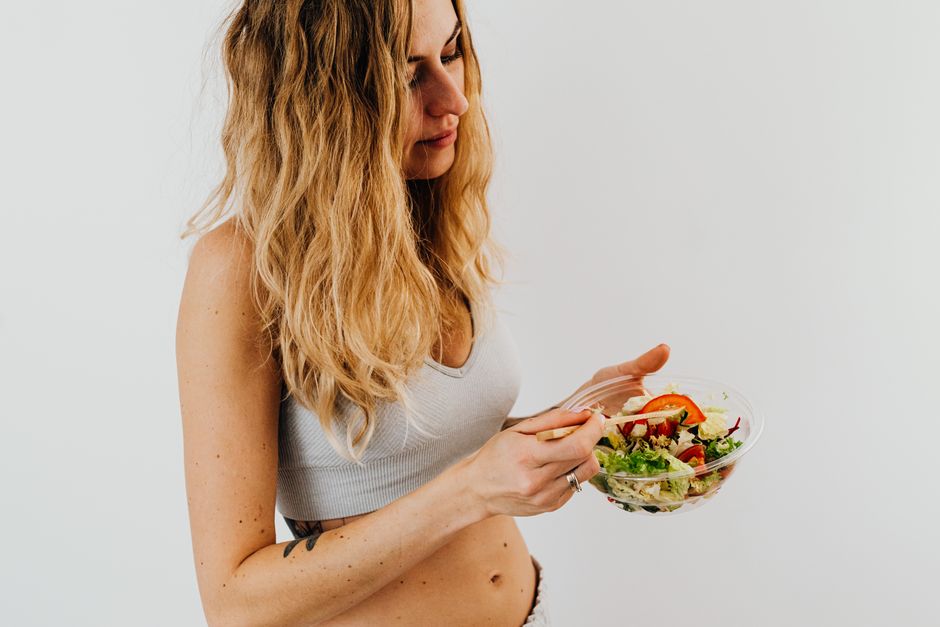
Hair is one of the most metabolically active tissues in the body. A single follicle cycles through growth, rest, and shedding phases, and it needs a steady supply of protein, iron, zinc, and vitamins to build a strong shaft. No single food makes hair grow faster. But a diet that consistently delivers these nutrients supports the follicles you already have — and correcting a genuine deficiency can restore growth that was stalled.
What Foods Help Hair Grow Faster And Stronger?
Foods rich in protein, iron, zinc, and B vitamins give your hair the raw materials it needs. Eggs, fatty fish, lean meat, lentils, beans, nuts, seeds, and leafy greens are the strongest dietary sources.
Hair is roughly 95 percent protein, mostly a tough structural protein called keratin. The follicle is one of the fastest-dividing cell populations in the body, which means it is sensitive to nutrient shortages. When the body is short on building blocks, hair is one of the first tissues to be deprioritized. This is why severe dieting, illness, or low protein intake can trigger noticeable shedding weeks later.
Here is what each nutrient actually does and where to get it.
| Nutrient | Role in Hair | Common Food Sources |
|---|---|---|
| Protein | Main structural material of the hair shaft | Eggs, poultry, fish, lean meat, lentils, Greek yogurt, tofu |
| Iron | Helps red blood cells carry oxygen to the follicle | Lean red meat, lentils, spinach, fortified cereal, pumpkin seeds |
| Zinc | Supports follicle growth and tissue repair | Oysters, beef, pumpkin seeds, chickpeas, cashews |
| Biotin (B7) | Involved in keratin production | Eggs, almonds, sweet potato, salmon |
| Vitamin D | Linked to follicle cycling | Fatty fish, egg yolks, fortified milk, sunlight |
| Vitamin C | Helps the body absorb iron; supports collagen | Citrus, bell peppers, strawberries, broccoli |
Does Protein Really Matter for Hair Growth?
Yes. Without enough protein, the body cannot build hair at its normal rate. Protein is the single most important dietary factor for hair structure.
Because hair is not essential for survival, the body diverts protein to vital organs first when intake is low. The result is often increased shedding two to three months after the shortage begins. This delay is a well-documented pattern in clinical medicine — hair follicles are highly sensitive to metabolic stress, but the visible effect lags weeks behind the cause.
Adults generally need a baseline amount of protein daily to maintain basic functions, and hair competes for whatever is left over. People on very low-calorie diets, crash diets, or restrictive eating patterns are at higher risk of protein-related shedding. So are people recovering from surgery, illness, or significant weight loss.
Good sources include eggs, poultry, fish, lean beef, Greek yogurt, cottage cheese, lentils, beans, and tofu. Pairing plant proteins across the day — beans with rice, for example — helps cover the full range of amino acids.
Can Iron Deficiency Slow Hair Growth?
Iron deficiency is one of the most common and correctable causes of hair shedding, especially in menstruating women. Low iron stores mean less oxygen reaches the follicle.
Iron is needed to make hemoglobin, the protein in red blood cells that carries oxygen. Follicles are oxygen-hungry. When iron stores drop — even before full anemia develops — hair growth can slow and shedding can increase. This is why some clinicians check ferritin, a marker of stored iron, when evaluating unexplained hair loss.
Iron from animal sources (heme iron) is absorbed more efficiently than iron from plants (non-heme iron). Vitamin C boosts absorption of plant-based iron, so pairing spinach with citrus or lentils with tomatoes helps. Coffee and tea can reduce iron absorption if consumed with meals.
Important: do not take iron supplements without a blood test. Excess iron is harmful, and self-dosing based on hair symptoms alone is not safe. If you suspect low iron, ask a doctor to check your levels first.
Is Biotin Actually Effective for Hair?
Biotin helps hair only if you are genuinely deficient, which is rare in people eating a normal diet. For everyone else, the evidence does not support biotin supplements for hair growth.
Biotin is a B vitamin involved in keratin production, and severe biotin deficiency does cause hair loss. But true deficiency is uncommon. It shows up mainly in people with certain genetic conditions, long-term use of some anticonvulsants, or prolonged raw egg white consumption (a protein in raw eggs binds biotin).
Biotin supplements are widely marketed for hair, skin, and nails. Large human trials showing they grow hair in people who are not deficient do not exist. Some small studies suggest benefit in specific deficiency states, but that is a different question from whether biotin helps the general population.
One practical concern: high-dose biotin can interfere with certain lab tests, including thyroid and cardiac tests, producing misleading results. Tell your doctor if you take it before any blood work.
Do Zinc and Vitamin D Play a Role?
Both nutrients are involved in normal follicle function, and deficiency in either is linked to hair shedding. Correcting a deficiency helps. Taking extra when levels are normal has not been shown to speed growth.
Zinc supports cell division and tissue repair, processes the hair follicle depends on. Severe zinc deficiency causes hair loss, and some studies have found lower zinc levels in people with certain types of hair loss compared to controls. Whether zinc supplements help people with normal zinc levels is not established.
Vitamin D receptors are present in hair follicles, and low vitamin D has been associated with some forms of hair loss in observational research. Association is not the same as causation, and trials showing that vitamin D supplements regrow hair in people without deficiency are limited.
Food sources are the safest baseline. Oysters, beef, and pumpkin seeds for zinc. Fatty fish, egg yolks, and fortified dairy for vitamin D. Sunlight also triggers vitamin D production in the skin.
What About Omega-3s and Antioxidants?
Omega-3 fatty acids and antioxidant-rich foods support general health, and some research suggests they may support hair. The direct evidence for hair growth specifically is limited.
Omega-3s, found in salmon, sardines, walnuts, and flaxseed, help reduce inflammation. Since some hair loss conditions involve inflammation around the follicle, there is a plausible link. But plausibility is not proof. Some small studies have reported improvements in hair density with omega-3 supplementation, but these are not large enough to be conclusive.
Antioxidants — vitamin C, vitamin E, and polyphenols in berries, dark leafy greens, and green tea — help protect cells from oxidative stress. Whether this translates into faster hair growth in healthy people is not well established.
The honest position: these foods are good for you, and they may help hair indirectly by supporting overall health. They are not a proven hair-growth treatment on their own.
Can Diet Alone Fix Hair Loss?
No. Diet can correct nutritional causes of shedding, but many types of hair loss are not nutritional at all.
Hair loss has many drivers. Some are dietary and reversible. Others are genetic, hormonal, autoimmune, or medical, and food will not change them.
- Nutritional shedding — low protein, iron, zinc, or severe calorie restriction. Often improves once the deficiency is corrected.
- Androgenetic alopecia — pattern hair loss driven by genetics and hormones. Diet does not reverse it.
- Telogen effluvium — temporary shedding after illness, surgery, childbirth, or major stress. Usually resolves on its own over months.
- Alopecia areata — an autoimmune condition. Not caused by diet.
- Thyroid and other medical causes — require medical evaluation and treatment.
If hair loss is sudden, patchy, or accompanied by other symptoms, see a doctor. A blood panel can identify treatable causes such as iron deficiency, thyroid dysfunction, or low vitamin D. Treating the underlying cause is what actually restores growth in those cases.
How Long Before Diet Changes Affect Hair?
Hair grows slowly — roughly half an inch per month on average — so any dietary change takes time to show. Expect at least several months before visible differences appear.
The hair growth cycle itself explains the delay. Each follicle cycles through a growth phase, a transition phase, and a resting phase before the hair sheds. A nutritional insult today may not show up as shedding for two to three months. The same lag applies in reverse: correcting a deficiency today may not produce visible improvement for months.
This is why patience matters and why quick-fix claims should be viewed with skepticism. No food or supplement produces visibly faster hair within days. Anyone promising that is not describing how hair biology works.
Frequently Asked Questions
What foods help hair grow faster and stronger?
Eggs, fatty fish, lean meat, lentils, beans, nuts, seeds, spinach, and Greek yogurt are strong sources of the protein, iron, zinc, and B vitamins hair needs. No single food speeds growth, but a consistently nutrient-rich diet supports healthy follicles.
Does biotin really help hair grow?
Biotin only helps if you are genuinely deficient, which is rare in people eating a normal diet. Large human trials showing biotin grows hair in non-deficient people do not exist, despite widespread marketing claims.
How long does it take for diet changes to affect hair growth?
Hair grows about half an inch per month, and the growth cycle creates a delay of two to three months between a nutritional change and visible results. Expect several months before noticing a difference.
Can low iron cause hair loss?
Yes. Iron deficiency, even before full anemia develops, is a common and correctable cause of hair shedding, especially in menstruating women. A doctor can check ferritin levels, and iron supplements should only be taken under medical guidance.
