
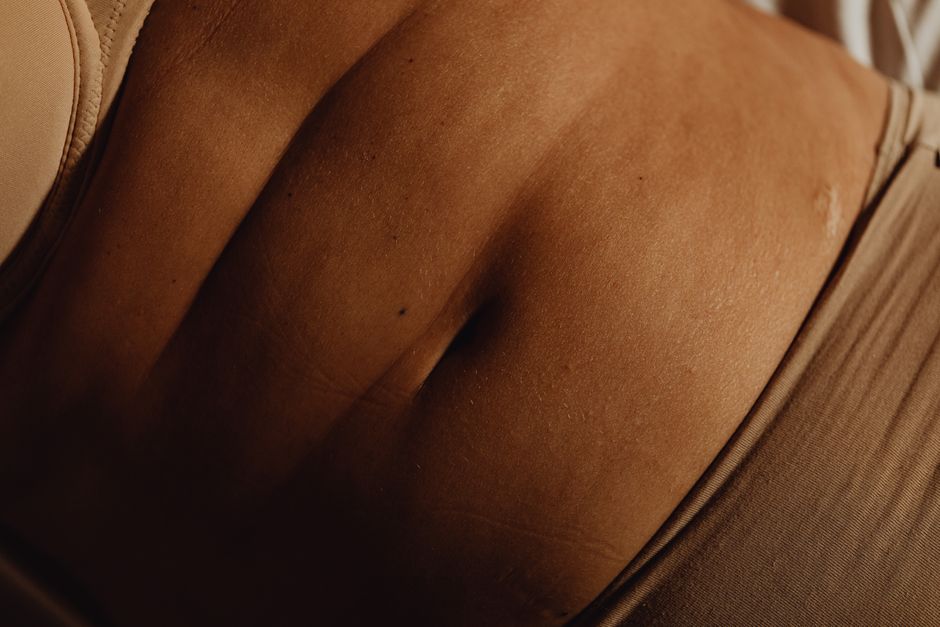
Getting rid of middle age belly fat for good means changing your approach to fat loss entirely. It is not about quick fixes or extreme diets. The real answer involves understanding how your metabolism, hormones, and lifestyle habits change after age 40. You need to focus on preserving muscle, managing insulin, improving sleep, and reducing chronic stress. There is no single trick. But the right combination of diet, exercise, and recovery can work long term.
What causes belly fat to increase during middle age?
Many people think a slower metabolism is the main cause. That is only part of the story. Research consistently shows that metabolic rate does slow with age, but only by about 1-2% per decade after age 20. The bigger issue is a loss of muscle mass, called sarcopenia. Muscle burns more calories at rest than fat does. As you lose muscle, your body needs fewer calories. If you keep eating the same amount, the extra energy gets stored as fat.
Hormones also shift. For women, declining estrogen during perimenopause and menopause changes where fat is stored. Fat moves from the hips and thighs to the abdomen. For men, testosterone levels gradually drop. Lower testosterone is linked to increased belly fat. Both sexes also see a rise in cortisol, the stress hormone, which encourages fat storage in the midsection.
Insulin resistance becomes more common in middle age. Your cells do not respond to insulin as well. This causes your body to produce more insulin, which tells your body to store fat, especially around the belly. This is not just about eating sugar. It is about how your body handles all carbohydrates over time.
How To Get Rid Of Middle Age Belly Fat For Good through diet changes
There is no magic food that targets belly fat. Spot reduction is a myth. But what you eat directly affects the hormones and processes that control fat storage. The most effective approach is to prioritize protein and fiber at every meal. Protein helps preserve muscle mass. Fiber helps regulate blood sugar and keeps you full longer.
Evidence indicates that a diet with 25-30 grams of protein per meal is a good target for most middle-aged adults. That is about the size of a palm-sized portion of chicken, fish, tofu, or eggs. Fiber should come from vegetables, beans, lentils, and whole grains. Aim for at least 25 grams of fiber per day for women and 30 grams for men.
Cutting back on added sugars and refined carbohydrates is important. These spike blood sugar and insulin, which promotes fat storage. This does not mean you can never eat bread or dessert. It means making them occasional choices rather than daily staples. Some studies suggest that eating most of your carbohydrates earlier in the day can help with blood sugar control, but the evidence is mixed.
Intermittent fasting is widely claimed to help with belly fat. Some people report good results. But strong evidence is limited. The benefits may come from eating fewer calories overall rather than the timing itself. If you try it, focus on what you eat during your eating window, not just when you eat.
Why exercise alone rarely works for middle age belly fat
Many people start running or doing crunches hoping to lose belly fat. That approach usually fails. Crunches strengthen your abdominal muscles but do not burn the fat covering them. Running burns calories but does not address muscle loss. You need a different strategy.
Resistance training is the most effective exercise for middle age belly fat. Lifting weights builds and preserves muscle. More muscle means a higher resting metabolism. This helps you burn more calories throughout the day, even when you are not exercising. Aim for at least two strength sessions per week. Focus on compound movements like squats, deadlifts, rows, and presses. These work multiple muscle groups at once.
High-intensity interval training, or HIIT, can also be helpful. Short bursts of intense effort followed by rest improve insulin sensitivity and burn calories efficiently. But HIIT is stressful on the body. Doing it too often can raise cortisol levels, which works against fat loss. One or two sessions per week is enough.
Steady-state cardio has a place but should not be the main focus. Walking, jogging, or cycling at a moderate pace for 30-45 minutes most days supports overall health and calorie burn. It just will not fix the muscle loss problem on its own.




How sleep and stress directly affect belly fat storage
Sleep is often overlooked but it is critical. Research consistently shows that sleeping less than six hours per night is linked to higher levels of belly fat. Lack of sleep disrupts hormones that control hunger. Ghrelin, which makes you feel hungry, goes up. Leptin, which makes you feel full, goes down. You end up eating more, especially craving high-carb and high-sugar foods.
Poor sleep also raises cortisol. Elevated cortisol signals your body to hold onto fat in the abdomen. This creates a cycle. You sleep poorly, your stress rises, you store more belly fat, and that fat itself can disrupt sleep further. Breaking this cycle is essential.
Chronic stress has a direct effect. When you are stressed, your body releases cortisol. Cortisol increases appetite and encourages fat storage in the belly area. This is an evolutionary response. Your body thinks it needs energy reserves for a threat. The problem is that modern stress is constant, not occasional. Finding ways to lower daily stress matters. This could be walking outside, reading, meditation, or simply saying no to more commitments.
Getting seven to nine hours of quality sleep per night and managing stress are not optional extras. They are as important as diet and exercise for losing belly fat.
Does alcohol really matter for belly fat?
Yes, alcohol matters, but not in the way most people think. Alcohol itself contains calories. A single beer or glass of wine has about 100-150 calories. That adds up. But the bigger issue is how your body processes alcohol. When you drink, your liver prioritizes breaking down alcohol over burning fat. Fat burning pauses until the alcohol is cleared.
Some studies suggest that heavy drinking is linked to more belly fat. The evidence is weaker for moderate drinking. A glass of wine a few nights per week is unlikely to cause significant belly fat on its own. But for many people, drinking leads to poor food choices. You might eat more snacks or skip a workout after a few drinks.
If you are serious about losing belly fat, reducing alcohol intake helps. Cutting back to one or two drinks per week is a reasonable target. Binge drinking, defined as four or more drinks in a sitting for women and five for men, is clearly linked to increased abdominal fat.
Are supplements or medications effective for middle age belly fat?
As of 2026, there is no clinical evidence that any supplement specifically targets belly fat. Many products claim to burn belly fat. They do not work. Fat loss from supplements, if any, is usually modest and happens all over the body, not just the abdomen. Green tea extract, caffeine, and conjugated linoleic acid have some evidence for minor effects on overall fat loss. The effects are small and inconsistent.
Prescription medications like GLP-1 agonists, such as semaglutide, can lead to significant weight loss. These drugs reduce appetite and slow digestion. They are effective for overall weight loss, which includes belly fat. But they are prescribed for people with obesity or weight-related health conditions. They are not a casual option. Side effects include nausea, vomiting, and muscle loss. The weight often returns when you stop taking them.
Hormone replacement therapy for menopause can help some women with belly fat. Estrogen therapy may reduce the shift of fat to the abdomen. This is a discussion to have with your doctor. It is not a standalone solution.
Do not waste money on belly fat creams, wraps, or detox teas. These have no evidence behind them.
How long does it realistically take to see results?
This depends on consistency and starting point. A reasonable expectation is losing 1 to 2 pounds per week after the first few weeks. Belly fat is often the last place fat comes off. You may notice changes in your face, arms, or legs first. That is normal. Do not judge progress only by your waistline.
Most people see noticeable changes in belly fat after 8 to 12 weeks of consistent effort. This means eating well most days, strength training twice per week, getting enough sleep, and managing stress. Faster results are possible but often not sustainable. Slow and steady is more likely to last.
Measure progress in multiple ways. Use a tape measure around your waist. Track how your clothes fit. Notice your energy levels and how you feel during the day. The scale does not tell the full story.
Frequently Asked Questions
Can you lose belly fat without exercise?
Yes, you can lose belly fat through diet alone, but it is harder and slower. Exercise, especially strength training, helps preserve muscle and keeps your metabolism higher, making fat loss more sustainable.
Does walking reduce belly fat?
Walking alone will not specifically target belly fat, but it helps with overall calorie burn and stress reduction. Combine walking with strength training and a good diet for best results.
Is belly fat after 40 normal?
Yes, it is common due to hormonal changes and muscle loss, but it is not inevitable. With the right diet, exercise, and lifestyle changes, you can reduce it significantly.
What is the best diet for losing middle age belly fat?
A diet high in protein and fiber with limited added sugars and refined carbs is most effective. Focus on whole foods like vegetables, lean meats, beans, and whole grains.
