
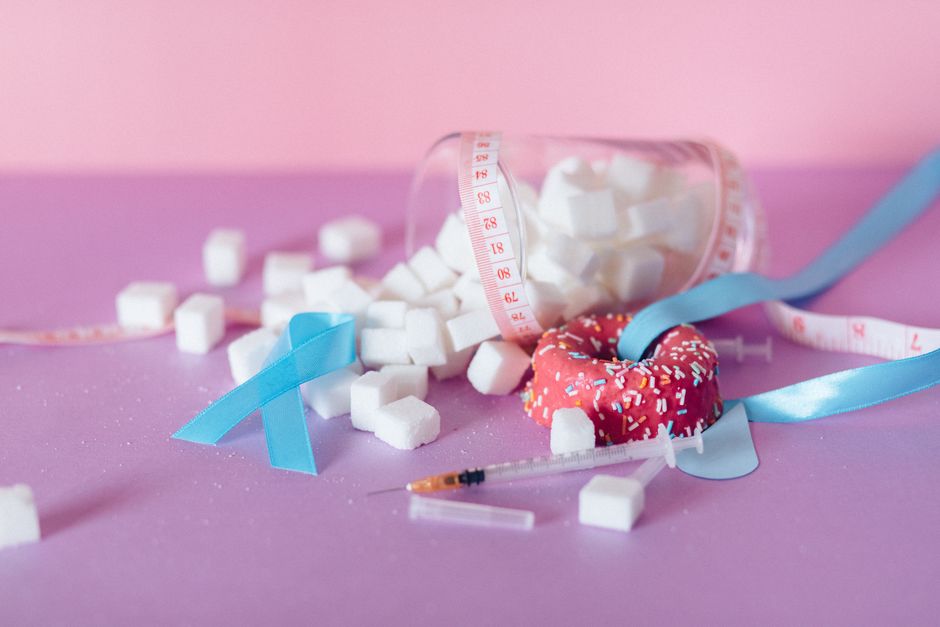
Most people think liver damage comes from alcohol. But the food on your plate can also put stress on your liver, especially over years. The main culprits are added sugars (particularly fructose), highly processed foods, refined carbohydrates, and excess saturated fats. These don’t damage the liver overnight. They contribute to fat buildup, inflammation, and scarring when eaten in excess over time. Avoiding them means eating more whole foods, watching sugar intake, and keeping portions reasonable.
What Foods Cause Liver Damage And How To Avoid Them?
The short answer: no single food destroys your liver on its own. But certain eating patterns, repeated over years, are strongly linked to a condition called nonalcoholic fatty liver disease (NAFLD), now often called metabolic dysfunction-associated steatotic liver disease (MASLD).
Here is what the evidence points to most consistently:
- Added sugars, especially fructose from sweetened drinks
- Refined carbohydrates like white bread, white rice, and pastries
- Highly processed foods high in fat, sugar, and salt
- Excess saturated fat from fatty meats and fried foods
- Alcohol, which is a direct liver toxin
None of these need to be eliminated completely for most people. The problem is dose and frequency. A slice of cake now and then is not the same as a daily habit of soda and fast food.
How Does Sugar Damage The Liver?
Fructose is the sugar most directly linked to liver fat buildup. Unlike glucose, which nearly every cell in your body can use, fructose is metabolized almost entirely by the liver.
When you consume large amounts of fructose, especially from sugary drinks, the liver converts much of it into fat. This process is called de novo lipogenesis. Over time, that fat accumulates in liver cells, a condition called hepatic steatosis.
Sugary drinks are the biggest concern because they deliver a large fructose load quickly with no fiber to slow absorption. Research published in the Journal of Hepatology and other peer-reviewed sources has consistently linked regular sugar-sweetened beverage consumption to higher liver fat and increased risk of NAFLD.
Whole fruit contains fructose too, but it also has fiber, water, and beneficial compounds. The evidence does not support avoiding fruit for liver health. The problem is added sugar, not fruit.
Are Processed Foods Really That Bad For Your Liver?
Highly processed foods tend to combine several risk factors at once: added sugar, refined flour, unhealthy fats, and sodium. That combination drives insulin resistance, which is a key driver of fat accumulation in the liver.
Insulin resistance means your cells stop responding well to insulin. Your pancreas compensates by producing more. High insulin levels signal the liver to store fat rather than burn it. This is one of the central mechanisms behind NAFLD.
Ultra-processed foods also tend to be low in fiber and nutrients that support liver function, like choline and vitamin E. Some studies suggest that diets high in ultra-processed foods are associated with higher rates of NAFLD, though researchers are still working out how much is due to the processing itself versus the overall poor nutritional quality.
What is clear: diets built around whole or minimally processed foods are consistently associated with better liver health.




Does Alcohol Cause A Different Kind Of Liver Damage?
Yes. Alcohol-related liver disease and nonalcoholic fatty liver disease can look similar under a microscope, but the pathways differ.
Alcohol is broken down by the liver into acetaldehyde, a toxic compound. This process generates harmful byproducts and oxidative stress. Chronic heavy drinking leads to fat accumulation, then inflammation (alcoholic hepatitis), then scarring (cirrhosis).
There is no universally safe level of alcohol for liver health. Some research suggests even moderate drinking may carry some risk for people with existing liver conditions, though the evidence on low-level consumption in otherwise healthy people is mixed. For anyone with diagnosed liver disease, most clinical guidelines recommend avoiding alcohol entirely.
If you do not have liver disease and drink occasionally, the risk to your liver from low-level alcohol intake appears small for most people. But the dose-response relationship is real. More alcohol means more risk.
Can Certain Foods Protect Your Liver?
No food has been proven to reverse liver damage. But some dietary patterns are associated with lower risk of liver disease and may support liver function.
Coffee is one of the most studied. Multiple observational studies and some clinical research suggest that regular coffee consumption is associated with lower risk of liver fibrosis and cirrhosis, even in people with existing liver disease. The effect appears to hold for both caffeinated and decaffeinated coffee, though the evidence is stronger for caffeinated. Researchers have not identified the exact compound responsible, but it is not caffeine alone.
Other foods with supportive evidence include:
- Fatty fish rich in omega-3 fatty acids, which may help reduce liver fat
- Leafy greens and cruciferous vegetables, which support overall metabolic health
- Nuts, associated with lower NAFLD risk in some studies
- Olive oil, a key component of Mediterranean-style diets linked to better liver outcomes
- Whole grains and fiber, which improve insulin sensitivity
The evidence for individual foods is generally weaker than the evidence for overall dietary patterns. A Mediterranean-style diet rich in vegetables, fruits, whole grains, fish, and olive oil has the strongest support for liver health.
How Much Sugar Is Too Much For Your Liver?
The American Heart Association recommends no more than 25 grams (about 6 teaspoons) of added sugar per day for women and 36 grams (about 9 teaspoons) for men. These recommendations were developed for cardiovascular health, not liver health specifically, but they are a reasonable target for most adults.
The World Health Organization recommends keeping free sugars below 10% of total daily calories, with additional health benefits suggested below 5%. For a 2,000-calorie diet, 10% is about 50 grams.
There is no established clinical guideline for a specific “liver-safe” sugar limit. The general direction from liver research is: less added sugar is better, and sugary drinks are the highest-priority target because they deliver the most fructose with the least nutritional value.
What About Supplements And Herbal Products?
Some supplements and herbal products can cause liver injury. This is called herb-induced liver injury, and it is a real clinical concern.
Products that have been linked to liver damage in case reports and clinical studies include certain green tea extracts (especially high-dose concentrated versions, not brewed tea), some weight-loss supplements, anabolic steroids, and certain herbal preparations containing pyrrolizidine alkaloids.
The challenge is that supplement regulation in the United States is less strict than for medications. Products may contain undisclosed ingredients or contaminants. If you take supplements, tell your doctor. If you develop unexplained fatigue, jaundice, or abdominal pain, stop the supplement and seek medical attention.
This does not mean all supplements are dangerous. Many are safe. But “natural” does not automatically mean “safe for your liver.”
What Are The Signs Of Liver Damage From Food?
Early liver damage from diet usually causes no symptoms. That is what makes NAFLD so common and so often missed.
When symptoms do appear, they may include:
- Fatigue or weakness
- Pain or discomfort in the upper right abdomen
- Unexplained weight loss
- Yellowing of the skin or eyes (jaundice)
- Swelling in the legs or abdomen
- Easy bruising or bleeding
Most people with early-stage NAFLD feel fine. The condition is typically discovered through blood tests showing elevated liver enzymes, or through imaging that reveals fat in the liver.
If you have risk factors like obesity, type 2 diabetes, high cholesterol, or metabolic syndrome, ask your doctor about liver function testing. Early detection matters because diet and lifestyle changes can reduce liver fat before permanent damage occurs.
What Is The Best Diet For Liver Health?
A Mediterranean-style diet has the strongest evidence base for supporting liver health and reducing liver fat. It emphasizes vegetables, fruits, whole grains, legumes, nuts, olive oil, and fish, with limited red meat and processed foods.
Weight loss also matters. Research consistently shows that losing 5-10% of body weight can reduce liver fat and inflammation in people with NAFLD. Greater weight loss is associated with greater improvement, and some studies suggest that losing 7-10% of body weight may even improve liver fibrosis.
Practical steps that align with the evidence:
- Replace sugary drinks with water, unsweetened tea, or coffee
- Choose whole grains over refined grains
- Eat more vegetables and legumes
- Limit fried foods and fatty cuts of meat
- Include fish a few times per week
- Cook with olive oil instead of butter or lard
- Keep added sugar below recommended daily limits
No single food will fix your liver. No single food will destroy it either, unless it is a toxin or you consume it in extreme amounts. The pattern matters more than any one meal.
Frequently Asked Questions
What foods cause liver damage?
Added sugars (especially from sugary drinks), refined carbohydrates, highly processed foods, excess saturated fat, and alcohol are the main dietary contributors to liver damage. These cause harm through fat buildup, inflammation, and scarring over time, not from a single meal.
Can you reverse liver damage from food?
Early-stage fatty liver disease can often be improved or reversed through diet changes and weight loss, typically 5-10% of body weight. Advanced scarring (cirrhosis) is generally not reversible, which is why early detection matters.
Is fruit bad for your liver?
No. Whole fruit contains fiber and beneficial compounds that slow fructose absorption, and the evidence does not support avoiding fruit for liver health. The concern is added sugar, particularly from sweetened beverages.
How much sugar is safe for your liver?
There is no established clinical guideline for a specific liver-safe sugar limit. The American Heart Association recommends no more than 25 grams of added sugar daily for women and 36 grams for men, which is a reasonable target for most adults.
