
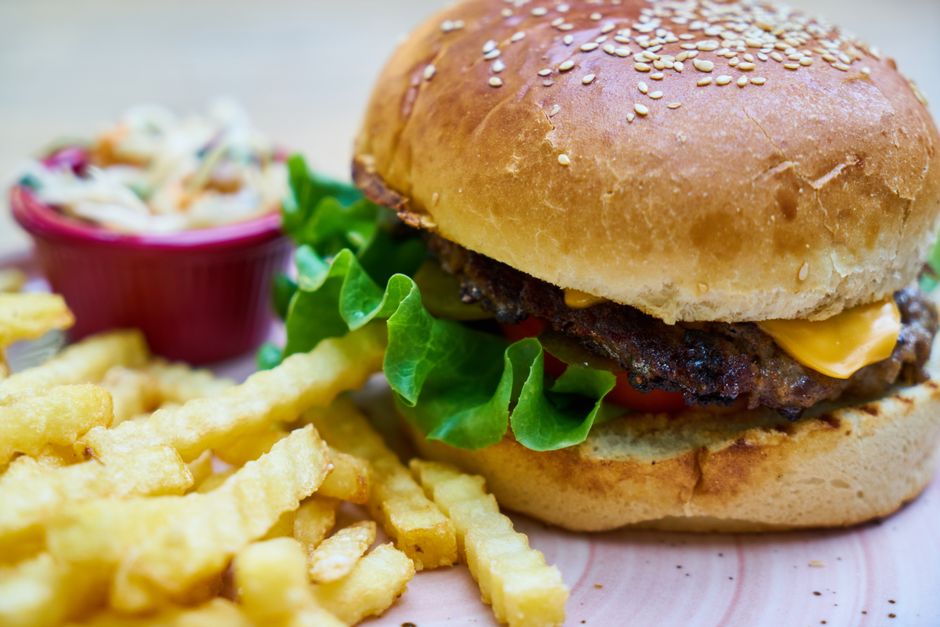
Certain foods trigger inflammatory responses in the body that can contribute to chronic pain, weight gain, and increased disease risk. The main culprits include refined sugars, processed meats, trans fats, and highly processed carbohydrates. These foods promote inflammation by disrupting blood sugar levels, damaging gut bacteria, and activating immune responses that were meant to be temporary but become constant.
Why Do Some Foods Cause Inflammation?
Inflammation is your body’s natural defense system. When you eat foods high in sugar or damaged fats your immune system treats them as potential threats. This triggers the release of inflammatory chemicals called cytokines.
The problem starts when these foods show up daily. Your body never gets a break from producing these chemicals. What should be a short-term defense becomes a long-term state. Researchers call this chronic low-grade inflammation and it shows up in blood tests as elevated markers like C-reactive protein.
Processed foods also damage the protective lining of your intestines. This allows partially digested food particles and bacteria to leak into your bloodstream. Your immune system responds to these invaders with more inflammation. The cycle reinforces itself.
Which Specific Foods Trigger Inflammation?
Refined sugar and high-fructose corn syrup top the list. These appear in obvious places like soda and candy but also hide in bread, pasta sauce, and salad dressings. Studies have found that high sugar intake increases inflammatory markers within hours of consumption.
Processed meats like bacon, hot dogs, and deli meats contain advanced glycation end products. These compounds form when meat is cooked at high temperatures or preserved with chemicals. Your body recognizes them as foreign and mounts an inflammatory response. Multiple studies link regular processed meat consumption to higher inflammation levels.
Trans fats and many vegetable oils cause problems too. Trans fats appear in fried foods and baked goods made with partially hydrogenated oils. Even small amounts damage blood vessel walls and trigger inflammation. Vegetable oils high in omega-6 fatty acids like corn oil and soybean oil shift your body toward a pro-inflammatory state when consumed in excess.
Refined carbohydrates strip away fiber and nutrients. White bread, pastries, and most breakfast cereals spike your blood sugar rapidly. This spike triggers insulin release and inflammatory pathways. The more refined the carbohydrate the stronger the inflammatory response.
What Does Research on Inflammatory Foods Show?
A 2019 study in the Journal of the American College of Cardiology tracked over 200,000 people for more than 30 years. Those who ate the most pro-inflammatory foods had a 46% higher risk of heart disease and 28% higher risk of stroke compared to those who ate the least.
Research published in Nature Medicine found that just one week of high-sugar high-fat eating changed the immune cells in healthy volunteers. Their white blood cells became hyperactive and remained that way for weeks even after returning to normal eating. The immune system essentially learned to overreact.
As of 2026 we understand that different people respond differently to the same foods. Some people show strong inflammatory responses to dairy while others tolerate it fine. Gluten causes clear inflammation in people with celiac disease but the evidence for widespread gluten-related inflammation in others remains weak despite popular claims.
Studies consistently show that inflammatory eating patterns correlate with higher rates of type 2 diabetes, certain cancers, depression, and faster cognitive decline. The evidence does not prove these foods directly cause these conditions but the association is strong enough that most researchers consider dietary inflammation a significant risk factor.





How Quickly Do These Foods Affect Your Body?
Some inflammatory effects happen within hours. Blood sugar spikes and crashes after eating refined carbohydrates. Inflammatory markers like IL-6 and TNF-alpha rise measurably within 3-5 hours after a high-sugar or high-fat meal.
Other effects accumulate slowly. The damage to your gut lining happens over months or years of repeated exposure. The same applies to blood vessel damage from trans fats and the metabolic changes from chronic sugar intake. You will not feel these happening which makes them easy to ignore until symptoms appear.
One interesting finding is that eating anti-inflammatory foods alongside pro-inflammatory ones can blunt some of the damage. Adding vegetables and olive oil to a meal that includes red meat reduces the inflammatory response compared to eating the meat alone. This does not give you permission to eat inflammatory foods freely but it does show your body responds to overall dietary patterns not just individual foods.
What Makes Some People More Sensitive to Inflammatory Foods?
Your genes play a role. Some people carry genetic variants that make them more susceptible to inflammation from certain foods. Others have genes that protect them somewhat. This explains why some people eat processed foods regularly with no obvious problems while others feel terrible after one meal.
Existing health conditions amplify the effects. If you already have insulin resistance, gut problems, or an autoimmune condition your inflammatory response to problem foods will be stronger. Your system is already stressed and lacks the reserve capacity to handle additional triggers.
Age matters too. Older adults show stronger and longer-lasting inflammatory responses to the same foods compared to younger people. The immune system becomes less precise with age. It takes longer to turn off inflammation once triggered.
| Food Category | Common Examples | Primary Inflammatory Mechanism |
|---|---|---|
| Refined Sugars | Soda, candy, pastries, sweetened yogurt | Blood sugar spikes and insulin resistance |
| Processed Meats | Bacon, sausage, deli meats, hot dogs | Advanced glycation end products |
| Trans Fats | Fried foods, margarine, commercial baked goods | Direct damage to blood vessel walls |
| Refined Grains | White bread, white rice, regular pasta | Rapid blood sugar elevation |
| Excess Omega-6 Oils | Corn oil, soybean oil, sunflower oil | Shift toward pro-inflammatory pathways |
| Alcohol in Excess | More than 1-2 drinks daily | Gut lining damage and liver stress |
What Practical Steps Reduce Food-Related Inflammation?
Start by identifying which inflammatory foods you eat most often. Most people have 3-5 problem foods that show up daily. Replacing even one of these creates measurable improvement. If you drink soda daily switching to water or unsweetened tea eliminates a major inflammatory trigger.
Focus on what to add not just what to remove. Anti-inflammatory foods include fatty fish, leafy greens, berries, olive oil, nuts, and green tea. These actively reduce inflammation rather than just avoiding triggers. Studies show people who add these foods while reducing inflammatory ones see better results than those who only restrict.
Read ingredient labels. Many seemingly healthy foods contain hidden sugars and damaged oils. Anything with high-fructose corn syrup in the first five ingredients or partially hydrogenated oil anywhere on the label should be avoided. This eliminates most processed foods by default.
Cook more meals at home. Restaurant and packaged foods rely heavily on inflammatory ingredients because they are cheap and shelf-stable. Home cooking lets you control what goes in. Even simple meals made from whole ingredients reduce your inflammatory load significantly.
Consider an elimination trial. Remove the most common inflammatory foods for three weeks and notice how you feel. Then reintroduce them one at a time. Many people discover specific foods that cause noticeable problems for them personally. This works better than generic advice because it accounts for individual variation.
Can You Ever Eat These Foods Without Problems?
Occasional consumption probably causes minimal long-term harm in otherwise healthy people. The dose makes the poison. Eating cake at a birthday party once a month is different from eating sugary snacks three times daily.
Context matters too. Eating inflammatory foods after exercise appears less problematic because your muscles quickly absorb the blood sugar. Eating them alongside fiber and healthy fats slows absorption and reduces the inflammatory spike. Eating them when stressed or sleep-deprived amplifies the inflammatory response.
Some people with existing inflammatory conditions need to be more strict. If you have rheumatoid arthritis, inflammatory bowel disease, or severe metabolic problems your threshold for inflammatory foods is lower. What might be occasional treats for healthy people could trigger flare-ups for you. Management rather than occasional indulgence becomes necessary.
Frequently Asked Questions About Foods That Cause Inflammation
How long does it take to reduce inflammation after changing your diet?
Most people notice improvements in energy and pain levels within 2-3 weeks of removing major inflammatory foods. Blood markers like C-reactive protein typically drop measurably after 6-8 weeks of consistent dietary changes.
Do eggs cause inflammation?
Current research shows eggs do not increase inflammation in most people and may actually reduce it due to their anti-inflammatory compounds. Some individuals with egg sensitivities may experience problems but this is uncommon.
Is coffee inflammatory or anti-inflammatory?
Plain coffee appears to be anti-inflammatory for most people due to its high antioxidant content. Adding sugar and cream can turn it into an inflammatory drink depending on amounts used.
Can inflammatory foods cause joint pain?
Yes inflammatory foods can worsen joint pain especially in people with arthritis or other inflammatory conditions. Many people report reduced joint pain within weeks of eliminating processed foods and sugar.
