
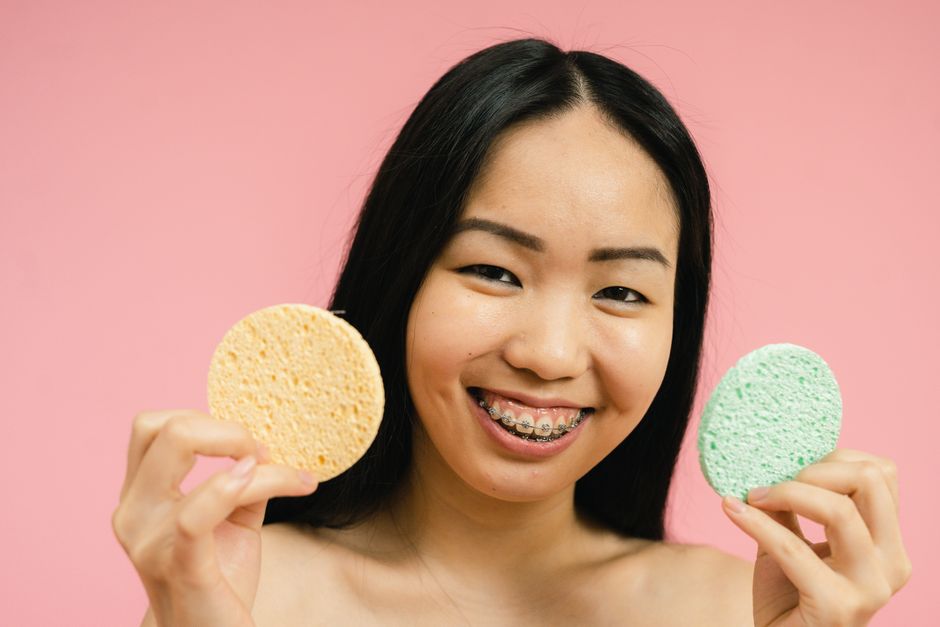
Getting braces is a big step. You are committing to months or years of treatment for a straighter smile. But the first few weeks are often the hardest because your teeth and gums are sore. The foods you eat play a huge role in how comfortable you are and whether your braces stay intact. The short answer is that you cannot eat hard, sticky, or chewy foods with braces. These foods can bend wires, pop off brackets, and get stuck in ways that are difficult to clean. This includes things like popcorn, nuts, hard candy, and chewy bread. Sticking to soft foods for the first few days is the best way to manage pain and keep your treatment on schedule.
Why Do Certain Foods Damage Braces?
Braces are precisely attached to your teeth. Each bracket is bonded to the enamel, and a wire runs through them to guide tooth movement. Hard foods create sudden, forceful pressure. Biting into an apple or a piece of hard candy can snap that wire or break the bond holding a bracket in place. When a bracket breaks, your teeth stop moving, and you need an emergency appointment to fix it.
Sticky foods are a different problem. Caramel and taffy can pull brackets right off the teeth. They also wrap around the brackets and wires, making it nearly impossible to brush them away completely. This trapped food feeds bacteria, which increases your risk of cavities and white spots on your teeth after the braces come off.
Chewy foods are risky because they require prolonged, heavy chewing. This constant pressure can bend the archwire, altering the force applied to your teeth. A bent wire slows down treatment and can cause unexpected soreness.
What Foods Can You Not Eat With Braces?
Some foods are universally discouraged by orthodontists. You should avoid them for the entire time you wear braces, not just the first week. The list falls into three categories: hard, sticky, and chewy.
- Hard foods: Ice, nuts, hard pretzels, popcorn kernels, corn chips, and hard candies like Jolly Ranchers or jawbreakers.
- Sticky foods: Caramel, taffy, chewing gum, gummy bears, fruit snacks, and licorice.
- Chewy foods: Bagels, thick pizza crust, crusty bread, and tough cuts of steak.
- Foods that require biting: Whole apples, raw carrots, corn on the cob, and ribs. These must be cut off the bone or sliced into small pieces before eating.
You also need to be careful with foods that are not obviously hard but contain hard pieces. This includes popcorn with unpopped kernels, salads with croutons, and even some granola bars with nuts. If you have to bite through something with force, it is probably not safe for your braces.
What Foods Are Safe to Eat the First Week?
The first week after getting braces is the most uncomfortable. Your teeth are adjusting to the new pressure, and chewing can hurt. During this time, you should focus on foods that require little to no chewing. This reduces pain and prevents damage to your new hardware.
Safe options include yogurt, mashed potatoes, soup, scrambled eggs, oatmeal, smoothies, and pasta that is cooked until soft. You can also eat soft fruits like bananas and berries. Cooked vegetables that are fork-tender, such as steamed broccoli or carrots, are fine. The goal is to get enough calories and nutrition without causing yourself pain.
You can gradually reintroduce more solid foods as your teeth stop hurting, usually after a week. But you should still cut hard foods like apples and carrots into small, bite-sized pieces rather than biting into them directly. Use your back molars to chew whenever possible, as they handle pressure better than your front teeth.




What Happens If You Eat the Wrong Food?
Eating a forbidden food does not guarantee damage. Sometimes you get lucky. But the risk is real. The most common problems are broken brackets, bent wires, and food getting stuck between the teeth and the metal.
A broken bracket is not a dental emergency, but it is an inconvenience. It means the affected tooth stops moving. If you do not get it fixed quickly, your other teeth may shift in the wrong direction, and your treatment time gets longer. You should call your orthodontist as soon as possible to schedule a repair. In the meantime, you can relieve pain with over-the-counter pain relievers and by sticking to soft foods.
Bent wires are trickier. A bent wire can poke the inside of your cheek or gums, causing painful sores. Orthodontic wax can cover the sharp end temporarily. If the wire is severely bent, you need a professional adjustment. Do not try to cut the wire yourself with scissors or nail clippers. You risk swallowing a piece or damaging your braces further.
How to Eat Your Favorite Foods Without Breaking Braces
You do not have to give up every food you love. You just have to change how you eat them. The key is to reduce the size and hardness of the food before it reaches your mouth.
Apples and pears should be sliced into thin wedges. Carrots and celery should be cut into small sticks. Corn should be cut off the cob with a knife before serving. Pizza and sandwiches should be cut into small squares, not bitten into whole. For meat, choose ground or shredded versions like meatballs, pulled chicken, or deli slices rather than steak or pork chops.
Popcorn is the one food that is hard to make safe. The kernels are too hard, and the hulls get stuck under the wires. Most orthodontists recommend avoiding popcorn entirely. The same goes for nuts and hard chips. There is no safe way to eat these foods consistently with braces. If you miss them, remember that they will still be there after your braces come off.
How Long Do You Have to Avoid These Foods?
You must avoid these foods for the entire duration of your orthodontic treatment. That means from the day you get braces until the day they are removed. This can be anywhere from 12 to 36 months depending on your specific case.
Some people think they can relax the rules after a few months when their teeth feel normal again. This is a mistake. Your teeth may not hurt anymore, but the brackets and wires are still fragile. A single hard pretzel can undo months of progress. The rules do not change because you are used to the braces. The risk of damage remains the same throughout treatment.
After your braces come off, you may need to wear a retainer. The same food restrictions generally apply to retainers, especially if you have a fixed retainer bonded to the back of your teeth. Sticky foods can loosen a fixed retainer just like they loosen brackets.
Does It Get Easier to Eat With Braces?
Yes. The first week is the worst. After that, your teeth settle into a rhythm. You will learn which foods you can manage and which ones you need to avoid. You will also develop a habit of cutting food into smaller pieces without thinking about it.
It is also normal to have periodic soreness after every orthodontic adjustment. Your orthodontist tightens the wires at each visit, which puts new pressure on your teeth. For a day or two after an adjustment, you may need to go back to softer foods. This is temporary and should resolve within 48 hours.
If you experience persistent pain that lasts more than a week, or if you notice a loose bracket or a poking wire, contact your orthodontist. Do not wait until your next scheduled visit. Early intervention prevents bigger problems and keeps your treatment on track.
Frequently Asked Questions
Can I eat chips with braces?
No, you should avoid chips like potato chips, tortilla chips, and corn chips. They are hard and brittle, and biting into them can break brackets or bend wires.
Can I eat pizza with braces?
You can eat pizza, but you must cut it into small pieces instead of biting into the slice. Avoid thick, crusty crusts and any hard toppings.
Can I eat ice cream with braces?
Yes, ice cream is safe to eat with braces. Just avoid flavors with hard mix-ins like nuts, cookie dough, or hard chocolate pieces.
Can I eat bread with braces?
Soft bread is fine, but chewy bread like bagels and crusty artisan loaves are not. They require excessive chewing and can bend your wires. Cut bread into small pieces before eating.
