

Zinc is an essential mineral that your body needs for immune function, wound healing, and cell growth. The best food sources of zinc are oysters, beef, crab, and other animal proteins, which contain a form of zinc your body absorbs easily. Plant foods like beans, nuts, and whole grains also contain zinc, but your body absorbs less of it from these sources.
Why Zinc Matters for Your Health
Your body cannot make zinc on its own. You have to get it from food or supplements. Zinc supports hundreds of enzyme reactions in the body, including those involved in DNA production, protein synthesis, and immune cell function.
Even a mild zinc deficiency can affect your sense of taste and smell, slow wound healing, and weaken your immune response. Severe deficiency is less common in the United States but can cause hair loss, diarrhea, and delayed growth in children.
Older adults, pregnant women, and people with digestive disorders like Crohn’s disease are at higher risk for low zinc levels. Vegetarians and vegans also need to pay closer attention to their zinc intake because plant sources are less absorbable.
Animal Foods Highest in Zinc
Animal proteins are the most reliable source of highly absorbable zinc. Oysters contain more zinc per serving than any other food, but they are not a daily staple for most people.
Here are the top animal-based zinc sources:
- Oysters — the single richest food source of zinc
- Beef — especially lean cuts like sirloin and chuck roast
- Crab and lobster — both are excellent sources
- Pork — particularly pork chops and tenderloin
- Chicken and turkey — dark meat contains more zinc than white meat
- Eggs — a moderate source that adds up over the day
A 3-ounce serving of cooked beef provides roughly half of the daily recommended zinc intake for most adults. The same serving of crab provides about a quarter of the daily need. These numbers vary by cut and preparation method, but the pattern is consistent: red meat and shellfish are the most concentrated animal sources.
Plant Foods That Contain Zinc
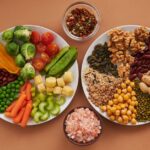
Plant-based eaters can meet their zinc needs, but it requires more planning. The zinc in plants is bound to phytates, which are compounds that reduce absorption. This means you need to eat more plant zinc to get the same benefit as animal zinc.
Good plant sources include:
- Pumpkin seeds — one of the richest plant sources
- Chickpeas and lentils — provide steady zinc along with fiber
- Beans — kidney beans, black beans, and pinto beans
- Nuts — cashews and almonds are the best choices
- Tofu and tempeh — soy products contain moderate zinc
- Whole grains — oats, quinoa, and whole wheat bread
- Fortified cereals — many breakfast cereals are zinc-fortified
Soaking, sprouting, or fermenting beans and grains reduces their phytate content and improves zinc absorption. Sourdough bread, for example, delivers more absorbable zinc than bread made with commercial yeast.



How Much Zinc Do You Need?
The recommended daily allowance for zinc is 11 milligrams for adult men and 8 milligrams for adult women. Pregnant women need 11 milligrams, and breastfeeding women need 12 milligrams.
These amounts are easy to reach with a balanced diet. A single 3-ounce serving of beef provides about 7 milligrams. A cup of cooked lentils provides about 2.5 milligrams. A quarter-cup of pumpkin seeds provides about 2 milligrams.
Most people in the United States get enough zinc from their diet. The National Health and Nutrition Examination Survey data suggests that only certain groups — particularly older adults and some vegetarians — fall short of the recommended intake.
Who Is at Risk for Zinc Deficiency?
Zinc deficiency is rare in healthy people who eat a varied diet, but certain groups face higher risk.
Vegetarians and vegans absorb less zinc because plant phytates block absorption. They may need to consume up to 50 percent more zinc than meat-eaters to maintain the same blood levels.
Older adults often eat less food overall and may have reduced absorption efficiency. One study found that zinc supplementation reduced the risk of pneumonia in nursing home residents, but the evidence for routine supplementation in all older adults is not strong enough for a blanket recommendation.
People with digestive conditions like Crohn’s disease, ulcerative colitis, or celiac disease absorb nutrients poorly. Diarrhea also depletes zinc rapidly.
Pregnant women have increased zinc needs because the fetus relies on maternal zinc stores for development. Severe deficiency during pregnancy is linked to low birth weight, but routine supplementation in well-nourished women shows inconsistent benefits.
People with alcohol use disorder often have low zinc levels because alcohol reduces absorption and increases urinary zinc loss.
Can You Get Too Much Zinc?
Yes. The upper limit for zinc from food and supplements combined is 40 milligrams per day for adults. Consistently exceeding this amount can cause copper deficiency, which leads to neurological problems and anemia.
Zinc supplements are the main cause of excessive intake. Food alone rarely pushes anyone past the upper limit. Symptoms of acute zinc toxicity include nausea, vomiting, and stomach cramps — these usually appear within a few hours of taking 50 milligrams or more on an empty stomach.
Long-term use of high-dose zinc supplements — often marketed for cold prevention or prostate health — can suppress immune function rather than support it. Some research suggests that zinc lozenges may shorten the duration of cold symptoms, but the evidence is mixed and the effect is modest.
Does Cooking Affect Zinc Content?
Cooking methods matter less than you might think for animal sources. Zinc is a mineral, not a vitamin, so it does not degrade with heat. The bigger concern is what you discard.
Boiling meat or shellfish can leach some zinc into the cooking liquid. If you drain and discard the liquid, you lose some zinc. Roasting, grilling, or pan-searing keeps more zinc in the food.
For plant sources, the opposite is true. Cooking actually improves zinc availability by breaking down phytates. Boiling beans and grains reduces their phytate content, making the zinc they contain more absorbable.
Zinc Supplements: What You Should Know
Zinc supplements are widely available and often combined with vitamin C in cold remedies. They are appropriate for people with confirmed deficiency or those who cannot meet their needs through food.
Zinc gluconate, zinc sulfate, and zinc citrate are the most common forms in supplements. Zinc picolinate is sometimes marketed as more absorbable, but no strong evidence confirms it is superior to other forms.
Taking zinc with food reduces stomach upset but also reduces absorption. Taking it on an empty stomach maximizes absorption but increases the risk of nausea. The most practical approach is to take zinc with a meal that is not high in phytates.
Do not take zinc supplements at the same time as calcium or iron supplements. These minerals compete for absorption in the digestive tract. Separate them by at least two hours.
Zinc and the Common Cold
Zinc lozenges have been studied for their effect on cold duration. Some clinical trials found that taking zinc lozenges within 24 hours of symptom onset shortened colds by about one to two days. Other trials found no benefit.
The evidence is genuinely mixed. A 2017 review of clinical trials concluded that zinc lozenges may reduce cold duration, but the optimal dose and formulation are not established. Some researchers believe the effect depends on the total amount of zinc released in the mouth over the course of the day, not the dose per lozenge.
If you try zinc lozenges, be aware of the side effects. They commonly cause a bad taste in the mouth and nausea. Long-term daily use of lozenges is not recommended because of the copper deficiency risk.
Practical Ways to Increase Zinc in Your Diet
You do not need to overhaul your diet to get enough zinc. Small consistent changes work best.
Add a handful of pumpkin seeds to your oatmeal or salad. Choose beef for one or two dinners per week instead of chicken. Snack on cashews instead of pretzels. Use chickpeas in your lunch salad. These small additions easily close the gap between your current intake and the recommended amount.
If you suspect you are deficient, ask your doctor for a blood test. Zinc levels are measured in plasma or serum, and the test is widely available. Do not self-diagnose and start high-dose supplements without testing, because the risks of excess zinc are real.
Frequently Asked Questions
What fruit is highest in zinc?
No common fruit is a significant source of zinc. Avocados contain about 1 milligram per cup, which is the highest among fruits, but still far below the levels found in meat, shellfish, or seeds.
Are eggs a good source of zinc?
Eggs are a moderate source of zinc, providing about 1 milligram per large egg. They are not the richest source, but they contribute meaningfully to daily intake when eaten regularly.
How can vegetarians get enough zinc?
Vegetarians can meet zinc needs by eating beans, lentils, pumpkin seeds, cashews, tofu, and fortified cereals daily. Soaking and sprouting beans and grains improves zinc absorption, and vegetarians may need up to 50 percent more zinc than meat-eaters because plant phytates reduce absorption.
Is it safe to take zinc every day?
It is safe to take zinc every day at the recommended dose, but the upper limit is 40 milligrams per day for adults. Higher doses taken long-term can cause copper deficiency and suppress immune function, so do not exceed the recommended amount without medical supervision.
