
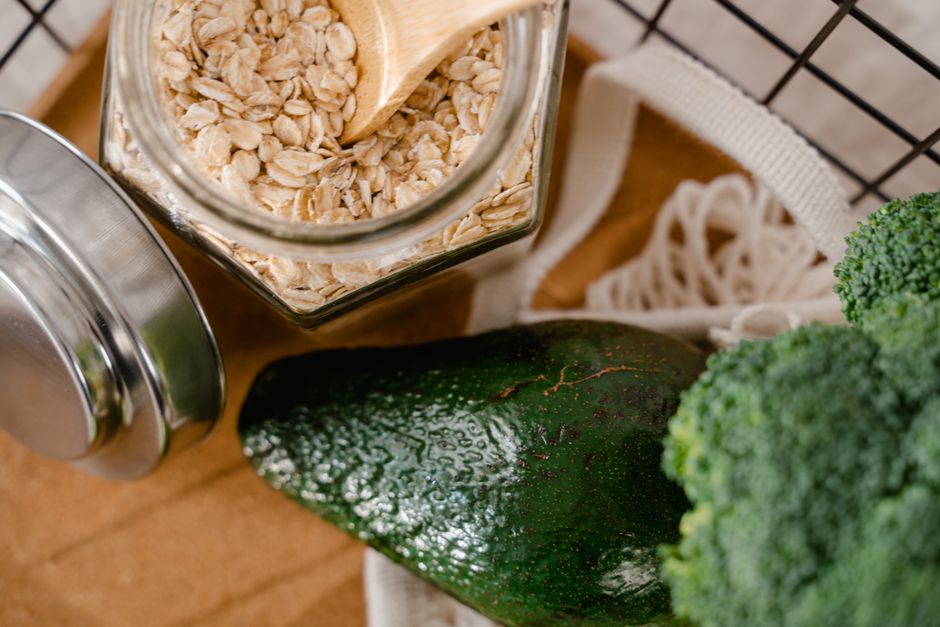
Constipation is one of the most common digestive complaints in the United States, and fiber is the first thing most people reach for. The foods highest in fiber for constipation include legumes like lentils and black beans, whole grains such as oats and barley, fruits with edible skins like pears and apples, and vegetables including broccoli and artichokes.
Fiber helps because it adds bulk to stool and holds water in the colon. That combination softens waste and gives the muscles of the gut something to push against. But not all fiber works the same way, and eating the wrong kind — or adding too much too fast — can make constipation worse before it gets better.
What Foods Are High In Fiber For Constipation?
These foods deliver the most fiber per serving, based on USDA nutrient data. Amounts are approximate and vary by variety, ripeness, and preparation.
| Food | Fiber per serving | Serving size |
|---|---|---|
| Navy beans (cooked) | About 19 g | 1 cup |
| Lentils (cooked) | About 16 g | 1 cup |
| Black beans (cooked) | About 15 g | 1 cup |
| Chia seeds | About 10 g | 2 tablespoons |
| Artichoke (cooked) | About 10 g | 1 medium |
| Pear (with skin) | About 6 g | 1 medium |
| Oats (dry) | About 4 g | ½ cup |
| Apple (with skin) | About 4 g | 1 medium |
| Broccoli (cooked) | About 5 g | 1 cup |
| Sweet potato (cooked, with skin) | About 4 g | 1 medium |
Legumes come out on top by a wide margin. A single cup of cooked navy beans provides more fiber than most adults get in an entire day from other sources. The catch is that beans also contain fermentable sugars that cause gas in people who are not used to them.
Notice that skins matter. Peeling an apple or a pear removes a meaningful share of its fiber. So does juicing. Whole fruit helps constipation; fruit juice mostly does not.
How Much Fiber Do You Need to Relieve Constipation?
Most adults need somewhere between 25 and 34 grams of fiber per day, depending on age and sex. The Dietary Guidelines for Americans put the target at 25 grams for women and 38 grams for men under age 50, with slightly lower targets after 50.
Here is the part that surprises people: most Americans eat only about half that amount. So the gap between what you eat and what you need is often the real problem, not any single food.
If you are currently constipated, adding fiber alone may not fix it quickly. Fiber works best as a preventive habit built over weeks, not a rescue measure. When you are already backed up, fiber without enough fluid can harden stool further.
Fluid matters as much as fiber here. Fiber holds water. If there is not enough water in your system, that fiber becomes a plug instead of a softener. Drink consistently through the day when you increase fiber.
Soluble vs Insoluble Fiber: Which Helps Constipation More?
Both types help, but they work differently. Soluble fiber dissolves in water and forms a gel. Insoluble fiber does not dissolve — it adds bulk and moves through largely intact.
- Soluble fiber — oats, barley, beans, lentils, apples, citrus, psyllium. Forms a gel that softens stool.
- Insoluble fiber — wheat bran, whole grains, nuts, and the skins of many vegetables. Speeds transit and adds bulk.
For constipation specifically, soluble fiber has the stronger track record. Psyllium, a soluble fiber sold as a supplement, is one of the most studied fiber sources for chronic constipation, and clinical guidelines generally list it as a first-line fiber option.
Insoluble fiber helps too, but it can backfire. Wheat bran, for example, helps some people and worsens bloating or discomfort in others, particularly those with irritable bowel syndrome. If bran makes things worse, that is real information, not a personal failing.
One clarification worth making: “fiber” is not one substance. It is a broad category of plant carbohydrates your small intestine cannot digest. Different fibers feed different gut bacteria and behave differently in the colon. That is why two high-fiber foods can have opposite effects on the same person.



Why Does Adding Fiber Sometimes Make Constipation Worse?
Fiber can worsen constipation when you add too much too fast, when you do not drink enough fluid, or when the fiber type does not suit your gut.
The most common mistake is a sudden jump. Going from 12 grams a day to 30 grams overnight overwhelms the colon. Gas, bloating, cramping, and harder stools can follow. The gut bacteria need time to adjust to the change in fuel.
Increases of about 5 grams per day, held for a week or so before adding more, are generally better tolerated. This is a widely used clinical approach rather than a strict rule, but the principle — slow and steady — is well established.
Fluid is the second issue. Fiber without adequate water can make stool drier and harder to pass. If you are increasing fiber, increase fluids alongside it.
If constipation persists despite a high-fiber diet and good hydration, fiber may not be your bottleneck. Several conditions cause constipation that fiber cannot fix, including an underactive thyroid, certain medications, pelvic floor dysfunction, and slow-transit constipation. Those need medical evaluation, not more bran.
Which High-Fiber Foods Are Easiest on a Sensitive Gut?
Not everyone tolerates beans and bran. If your gut is sensitive, these options tend to be gentler while still delivering meaningful fiber.
- Cooked oats — soluble fiber, generally well tolerated
- Psyllium husk — soluble, gel-forming, widely studied for constipation
- Ripe bananas — moderate fiber, low irritation for most people
- Cooked carrots and zucchini — softer texture, easier on the gut than raw
- Canned pumpkin — soluble fiber, mild flavor
- Ground flaxseed — mix into yogurt or oatmeal
Ripe bananas are worth a note. Unripe green bananas contain resistant starch that can be constipating for some people, while ripe bananas do not have that effect. Ripeness changes how a food behaves in the gut.
Cooking generally makes vegetables easier to tolerate than eating them raw. If raw salads seem to sit heavily, cooked versions of the same vegetables may work better.
Can Fiber Alone Fix Chronic Constipation?
No. Fiber is one lever among several, and for some people it is not the main one.
Chronic constipation often has multiple contributors — low fluid intake, inactivity, ignoring the urge to go, certain medications, and pelvic floor problems. Fiber addresses only the stool-consistency part of that picture.
Pelvic floor dysfunction is a good example. The stool may be soft and well-formed, but the muscles that should relax during a bowel movement do not coordinate properly. Adding fiber does nothing for that. It requires specific evaluation and, often, pelvic floor physical therapy.
Movement helps too. Physical activity stimulates colon contractions, and sedentary behavior is associated with higher rates of constipation. This is a well-established association, though the exact mechanism is not fully pinned down.
If you have tried increasing fiber and fluids for several weeks without improvement, or if you have blood in your stool, unexplained weight loss, or a sudden change in bowel habits, see a doctor. Those symptoms need to be evaluated rather than managed with diet alone.
Frequently Asked Questions
What is the fastest high-fiber food for constipation?
Legumes like lentils and black beans deliver the most fiber per serving and are among the most effective food sources. That said, no food works instantly — fiber needs fluid and time to soften stool, usually over days rather than hours.
How much fiber should I eat per day to relieve constipation?
Most adults need 25 to 34 grams per day, with the Dietary Guidelines setting targets of 25 grams for women and 38 grams for men under 50. If you are currently constipated, increase gradually by about 5 grams per day and drink more water.
Can too much fiber make constipation worse?
Yes. Adding fiber too quickly or without enough fluid can cause gas, bloating, and harder stools. Increasing slowly and drinking adequate water reduces that risk.
Are bananas good for constipation?
Ripe bananas are a reasonable fiber source and generally well tolerated. Unripe green bananas contain resistant starch that can be constipating for some people.
