
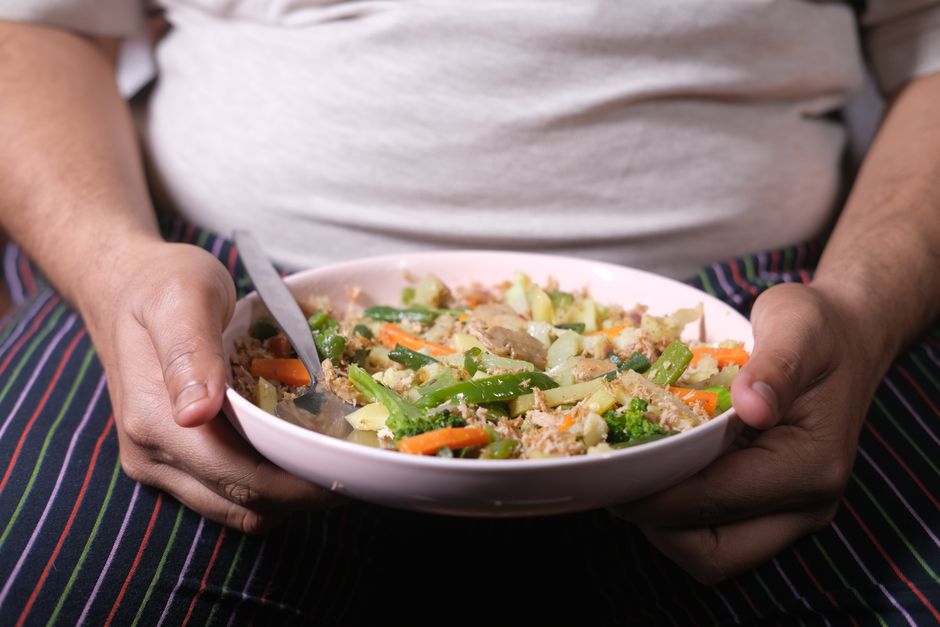
When you have diarrhea, the best foods to eat are bland, starchy, and low in fiber. Think plain white rice, bananas, applesauce, and dry toast. These foods help firm up your stool without irritating your digestive system. Stick to small, frequent meals and avoid anything greasy, spicy, or dairy-heavy until your system settles.
What Foods Are Good When You Have Diarrhea?
The BRAT diet is the most well-known approach for diarrhea. BRAT stands for bananas, rice, applesauce, and toast. These foods are easy to digest and low in fiber, which means they do not push waste through your system too quickly.
Bananas are especially helpful because they are rich in potassium. Diarrhea drains your body of electrolytes, and potassium is one of the most important ones to replace. Rice, particularly white rice, is gentle on the stomach and helps absorb excess fluid in the intestines. Applesauce provides pectin, a type of soluble fiber that can help bulk up stool. Dry toast gives you carbohydrates for energy without adding fat or spice.
Other foods that work well include plain crackers, boiled potatoes without skin, and cooked carrots. These are all low-residue foods, meaning they leave very little undigested material in your colon. The less work your digestive system has to do, the faster it can recover.
How Does the BRAT Diet Actually Work?
The BRAT diet works by reducing the workload on your intestines. When you eat high-fiber or fatty foods, your digestive system has to work harder to break them down. During diarrhea, your intestinal lining is already inflamed and irritated. Giving it easily digestible foods allows it to rest and heal.
Research published in the Journal of the American Medical Association has shown that the binding properties of foods like rice and bananas can help reduce stool frequency. The pectin in applesauce also acts as a prebiotic, feeding the good bacteria in your gut without overstimulating your bowel movements.
It is important to note that the BRAT diet is meant for short-term use only. It lacks protein, healthy fats, and many vitamins. Most experts recommend following it for no more than 24 to 48 hours. After that, you should slowly reintroduce more balanced foods like lean chicken, eggs, and well-cooked vegetables.
What Foods Should You Avoid When You Have Diarrhea?
Avoiding the wrong foods is just as important as eating the right ones. The worst foods for diarrhea are high-fat, high-fiber, and high-sugar items. Greasy fast food, fried chicken, and buttery pastries all slow digestion and can make diarrhea worse by stimulating the gut too much.
Dairy products are another major trigger for many people. Even if you are not normally lactose intolerant, diarrhea can temporarily reduce the enzymes needed to digest lactose. Milk, cheese, and ice cream can cause bloating, cramping, and more loose stools. Yogurt with live cultures is sometimes an exception because the probiotics help digestion, but it is still best to start with small amounts.
Spicy foods are a clear no. Capsaicin, the compound that makes chili peppers hot, irritates the intestinal lining. This can worsen diarrhea and cause burning sensations during bowel movements. Caffeine and alcohol also act as diuretics and stimulants, which can dehydrate you further and speed up bowel activity. Stick to water, clear broths, and electrolyte drinks instead.
| Foods to Eat | Foods to Avoid |
|---|---|
| Bananas | Fried and greasy foods |
| White rice | Dairy products (milk, cheese, ice cream) |
| Applesauce | Spicy foods (chili, hot sauce) |
| Dry toast or plain crackers | High-fiber foods (whole grains, raw vegetables) |
| Boiled potatoes (no skin) | Caffeine (coffee, soda, tea) |
| Cooked carrots | Alcohol |
| Clear broths | Sugary drinks and candy |





What Does Research on Foods for Diarrhea Show?
Studies have found that the BRAT diet is effective, but it is not the only option. Research from the World Health Organization recommends oral rehydration solutions as the first line of treatment for diarrhea. These solutions replace lost fluids and electrolytes more effectively than food alone. The foods you eat are secondary to staying hydrated.
A 2019 study in the journal Nutrients looked at the role of soluble fiber in managing diarrhea. It found that foods like oats, barley, and psyllium husk can help absorb excess water in the colon and slow down bowel movements. This is the opposite of insoluble fiber found in whole grains and raw vegetables, which can speed things up and make diarrhea worse.
Some evidence suggests that probiotics can shorten the duration of diarrhea by about 24 hours. Strains like Lactobacillus rhamnosus GG and Saccharomyces boulardii have the most research behind them. You can get these from yogurt with live cultures or probiotic supplements, but check with your doctor first if you have a weakened immune system.
One common myth is that you should stop eating entirely to let your gut rest. This is not supported by evidence. Eating small, frequent meals actually helps your intestines repair themselves faster. Starvation can slow recovery and make you weaker.
How Should You Eat When You Have Diarrhea?
How you eat matters as much as what you eat. Start with small portions. A few spoonfuls of rice or half a banana every two to three hours is a good starting point. Eating too much at once can overwhelm your digestive system and trigger another bout of diarrhea.
Chew your food thoroughly. Digestion begins in your mouth, and breaking food down into smaller pieces makes it easier for your intestines to handle. Drink fluids between meals rather than during meals. Drinking while eating can dilute digestive enzymes and make food harder to process.
Stay hydrated throughout the day. Water is fine, but electrolyte drinks or oral rehydration solutions are better because they replace sodium, potassium, and glucose. The CDC recommends drinking at least one cup of fluid after each loose bowel movement. If you feel dizzy or have dark urine, you are likely dehydrated and need more fluids.
Once your stools start to firm up, slowly add back other foods. Start with lean proteins like boiled chicken or fish. Then add cooked vegetables like green beans or zucchini. Wait a day or two before trying dairy, high-fiber foods, or anything spicy. If a food triggers a return of diarrhea, stop eating it and try again in a few days.
What Are Common Misconceptions About Foods for Diarrhea?
One widespread myth is that drinking milk coats the stomach and helps diarrhea. This is false. Milk contains lactose, which can worsen diarrhea in many people. The coating feeling is temporary and does not help your intestines recover.
Another misconception is that all fiber is bad for diarrhea. Soluble fiber, found in foods like oats and bananas, is actually helpful. It absorbs water and forms a gel-like substance that slows down digestion. Insoluble fiber, found in bran and raw vegetables, is the type that can make diarrhea worse. Knowing the difference is key.
Some people believe that you should avoid all fruits and vegetables during a diarrhea episode. This is not true. Cooked carrots, peeled apples (in applesauce form), and ripe bananas are fine. Raw vegetables with skins, like celery and broccoli, are the ones to avoid because their tough fibers are hard to digest.
Finally, there is a belief that sports drinks like Gatorade are the best way to rehydrate. Sports drinks are high in sugar, which can actually draw water into the intestines and make diarrhea worse. Oral rehydration solutions like Pedialyte have a better balance of sugar and electrolytes for this purpose.
Frequently Asked Questions
Can I eat eggs when I have diarrhea?
Yes, boiled or scrambled eggs without added fat or spices are generally safe and provide protein to help recovery.
Is yogurt good for diarrhea?
Yogurt with live cultures can help because of its probiotics, but start with a small amount to see how your body reacts.
How long should I follow the BRAT diet?
Follow the BRAT diet for no more than 24 to 48 hours, then slowly reintroduce other bland, low-fat foods.
Can I drink coffee if I have diarrhea?
No, caffeine stimulates the intestines and can worsen diarrhea, so stick to water or clear broths instead.
