
Inflammation is your body’s natural response to injury and infection, but when it lingers at a low level for months or years, it can contribute to serious health problems. The foods you eat can either feed that fire or help cool it down. A diet rich in whole plant foods, fatty fish, and healthy fats is your most effective tool for reducing chronic inflammation, while heavily processed foods and excess sugar tend to make it worse.
How Does Food Actually Affect Inflammation?
Your immune system relies on chemical signals to coordinate its response. Some of these signals promote inflammation, while others resolve it. The food you eat provides the building blocks for these signals.
For example, omega-3 fatty acids from fish are used to create anti-inflammatory compounds called resolvins and protectins. Omega-6 fatty acids from vegetable oils, when eaten in excess, are used to create more pro-inflammatory signals. You need both types, but the modern diet tends to be heavily skewed toward omega-6s.
Blood sugar spikes also matter. When you eat refined carbohydrates, your blood glucose rises quickly. This triggers the release of insulin and other hormones that can promote inflammatory activity. Over time, repeated spikes can keep inflammatory pathways switched on.
The gut plays a role too. Your intestinal lining houses trillions of bacteria that interact with your immune system. Fiber from plants feeds beneficial bacteria, which produce short-chain fatty acids like butyrate. These compounds have been shown to reduce inflammatory signaling in the body.
What Foods Are Good To Reduce Inflammation?
No single food will fix inflammation on its own. The benefit comes from the overall pattern of what you eat most days. That said, certain foods have consistently shown anti-inflammatory effects in research.
Fatty fish like salmon, sardines, mackerel, and anchovies are among the most studied. They provide long-chain omega-3 fatty acids, specifically EPA and DHA, which directly reduce the production of inflammatory molecules. The American Heart Association recommends eating fish, particularly fatty fish, at least twice a week.
Leafy green vegetables such as spinach, kale, and Swiss chard are rich in antioxidants like vitamin E and carotenoids. These compounds neutralize free radicals, which are unstable molecules that can trigger inflammatory damage. Dark leafy greens also provide magnesium, a mineral that plays a role in regulating inflammatory responses.
Berries — blueberries, strawberries, raspberries, and blackberries — contain anthocyanins, the pigments that give them their deep colors. Studies have found that these compounds can lower markers of inflammation like C-reactive protein. Frozen berries retain most of these benefits, so they are a good option year-round.
Extra virgin olive oil is a staple of the Mediterranean diet, which is consistently linked to lower inflammation. It contains oleocanthal, a compound with anti-inflammatory properties that some research has compared to ibuprofen, though the effect is much milder. Choose extra virgin varieties because they undergo less processing and retain more beneficial compounds.
Nuts and seeds, particularly walnuts, almonds, and flaxseeds, provide healthy fats and vitamin E. Walnuts are notable for their alpha-linolenic acid, a plant-based omega-3 that supports anti-inflammatory pathways, though less potently than fish-derived EPA and DHA.
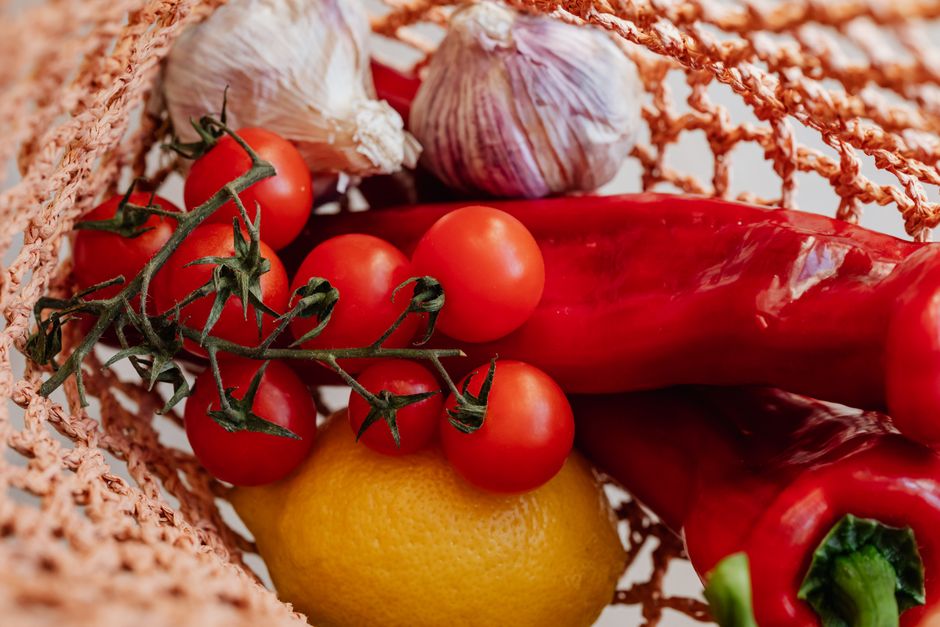
Tomatoes are rich in lycopene, a carotenoid with strong antioxidant activity. Cooking tomatoes with a little oil increases the absorption of lycopene, so tomato sauces and pastes are especially beneficial.
Which Foods Make Inflammation Worse?
Knowing what to add matters, but knowing what to limit matters just as much. Some foods are consistently associated with higher inflammatory markers.
Refined carbohydrates — white bread, white rice, pastries, and sugary cereals — cause rapid blood sugar spikes. These spikes promote the release of pro-inflammatory cytokines. Replacing refined grains with whole grains like oats, brown rice, and quinoa helps keep blood sugar steadier and adds fiber.
Sugary beverages are among the worst offenders. A typical can of soda contains about 39 grams of sugar, and the body absorbs it rapidly with no fiber to slow it down. High sugar intake is strongly linked to elevated inflammatory markers. Fruit juice is not much better, since it lacks the fiber of whole fruit.
Processed meats like bacon, sausage, hot dogs, and deli meats contain advanced glycation end products, or AGEs, which form during curing and high-heat cooking. AGEs promote oxidative stress and inflammation. The World Health Organization classifies processed meats as carcinogenic, and they are also linked to higher inflammation.
Fried foods and foods cooked at very high temperatures produce more AGEs and oxidized fats. This does not mean you can never eat fried food, but regular consumption is associated with higher inflammatory markers.
Industrial seed oils like soybean, corn, and sunflower oil are high in omega-6 fatty acids. You need some omega-6s, but the typical Western diet provides far more than necessary, which can shift the balance toward inflammation. This is not a reason to eliminate these oils entirely, but it is a reason to favor olive oil and other less processed fats for daily cooking.





What Does the Mediterranean Diet Have To Do With It?
The Mediterranean diet is the most studied eating pattern for reducing inflammation. It is not a single rigid plan but a general pattern emphasizing vegetables, fruits, whole grains, legumes, nuts, olive oil, and fish, with moderate amounts of dairy and red wine, and limited red meat and sweets.
Clinical trials have shown that people following a Mediterranean-style diet have lower levels of inflammatory markers like C-reactive protein and interleukin-6. The effect appears to come from the combination of foods working together rather than any single ingredient.
The PREDIMED trial, a major Spanish study, found that a Mediterranean diet supplemented with extra virgin olive oil or nuts reduced cardiovascular events in high-risk people. Inflammation reduction was one of the proposed mechanisms. It is worth noting that this trial was large and well-conducted, giving the Mediterranean diet stronger evidence than most other eating patterns.
You do not need to live in the Mediterranean to follow this pattern. The principles translate easily. Use olive oil instead of butter. Eat fish twice a week. Make vegetables the largest portion of your plate. Snack on nuts instead of chips.
Do Supplements Help Reduce Inflammation?
Food is generally superior to supplements for reducing inflammation. Whole foods provide a mix of nutrients and fiber that work together, and the body absorbs them differently than isolated compounds.
Fish oil supplements are the exception with the strongest evidence. They provide concentrated EPA and DHA, and research supports their use for reducing inflammatory markers. However, the effect size is modest, and fish oil supplements are not a substitute for an overall healthy diet.
Turmeric, specifically its compound curcumin, has shown anti-inflammatory effects in laboratory studies and some human trials. The challenge is that curcumin is poorly absorbed. Many supplements include black pepper extract to improve absorption. Some research suggests it helps with joint pain, but the evidence is not strong enough to recommend it as a primary treatment.
Be cautious with any supplement claiming to “reduce inflammation” without specifying how. The supplement industry is loosely regulated, and many products make claims based on weak evidence. If you are considering supplements, discuss them with your doctor, especially if you take blood thinners or have other medical conditions.
How Quickly Can Diet Changes Lower Inflammation?
Dietary changes do not work overnight, but they also do not take years. Some inflammatory markers can shift within weeks of consistent dietary change.
In research studies, participants following anti-inflammatory diets often show meaningful changes in inflammatory markers within 4 to 8 weeks. The exact timeline varies by person, the severity of inflammation, and other lifestyle factors like sleep, stress, and physical activity.
One important point: diet alone may not be enough if other drivers of inflammation remain. Lack of sleep, chronic stress, smoking, and physical inactivity all promote inflammation independently of what you eat. Addressing these factors alongside diet gives you the best chance of seeing meaningful change.
If you have a diagnosed inflammatory condition like rheumatoid arthritis, inflammatory bowel disease, or lupus, diet can support your treatment but should not replace it. Work with your healthcare team to integrate dietary changes safely.
Frequently Asked Questions
What is the single best food for inflammation?
Fatty fish like salmon has the strongest evidence for reducing inflammation because of its high omega-3 content. No single food works alone, so pair it with a variety of plant foods.
Can coffee reduce inflammation?
Some studies suggest coffee has anti-inflammatory effects due to its polyphenols, but results are mixed. Moderate consumption appears safe for most people, and it is not a replacement for anti-inflammatory foods.
Are eggs inflammatory?
Eggs are not considered inflammatory for most people. Some research suggests they may slightly increase inflammation in people with existing conditions like diabetes, but the evidence is not conclusive.
How much sugar is too much for inflammation?
The American Heart Association recommends limiting added sugar to no more than 36 grams per day for men and 25 grams per day for women. Consistently exceeding these limits is associated with higher inflammatory markers.
