

If you want to gain weight, the most effective foods are calorie-dense ones that are easy to eat in large amounts. Think nut butters, full-fat dairy, fatty fish, olive oil, avocados, and whole grains. These foods pack a lot of energy into a small volume, so you can eat more calories without feeling overly full. The goal is not just eating more — it is eating more of the right things consistently.
What Food To Eat To Get Fat?
No single food makes you gain weight on its own. Weight gain happens when you consistently eat more calories than your body burns. But some foods make that easier than others because they are dense in calories and low in the kind of bulk that fills you up fast.
Foods that help with healthy weight gain tend to share a few traits. They contain fat, which has 9 calories per gram compared to 4 calories per gram for protein and carbohydrates. They are low in water and fiber relative to their calorie content. And they are palatable — you actually want to eat them.
Here are foods that fit that description:
- Nut butters — peanut, almond, cashew. About 190-200 calories per 2 tablespoons.
- Full-fat dairy — whole milk, full-fat yogurt, cheese. Whole milk has about 150 calories per cup.
- Fatty fish — salmon, mackerel, sardines. Salmon has roughly 200 calories per 3-ounce cooked portion.
- Olive oil and other plant oils — about 120 calories per tablespoon.
- Avocados — about 240 calories per medium avocado.
- Whole grains — oats, brown rice, quinoa. Cooked oats have about 150 calories per cup.
- Dried fruit — raisins, dates, dried mango. Calories are concentrated because the water is removed.
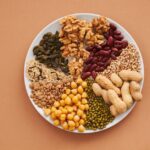
- Nuts and seeds — almonds, walnuts, sunflower seeds, chia seeds.
- Starchy vegetables — potatoes, sweet potatoes, corn, peas.
- Eggs — about 70 calories each, easy to add to almost any meal.
These are not the only options. The principle is what matters: choose foods that deliver calories without making you feel stuffed before you have eaten enough.
Why Do Some Foods Make You Gain Weight Faster Than Others?
Calorie density is the main reason. A food’s calorie density is how many calories it contains per gram of weight. Fat has more than twice the calories per gram of protein or carbohydrate. Water and fiber add weight and volume without adding calories.
Compare a cup of grapes to a quarter cup of raisins. Both come from the same fruit. The grapes have about 60 calories and are mostly water. The raisins have roughly 120 calories in a much smaller volume because the water is gone. You can eat the raisins in a few bites without feeling full. The grapes take longer to eat and fill your stomach more.
This is why dried fruit, nut butters, oils, and cheese are efficient for weight gain. They let you add calories without adding much volume.
There is a second factor: palatability. Foods that taste good are easier to eat in larger amounts. This is not a moral failing. It is how human appetite works. Highly palatable foods stimulate eating beyond what hunger alone would drive.
A third factor is liquid calories. Beverages do not trigger the same fullness signals as solid food. A 300-calorie smoothie does not make you feel as full as a 300-calorie sandwich. That makes liquid calories a useful tool for weight gain, though it also means they can add up quickly without you noticing.
What About Eating More Calories Without Feeling Too Full?
The biggest obstacle to weight gain for most people is feeling full before they hit their calorie target. If you are trying to eat more, you will hit a wall where food stops being appealing. Managing that wall is the practical challenge.
Several strategies help:
- Drink your calories. Smoothies with whole milk, nut butter, oats, and banana can reach 500-700 calories in one glass.
- Add fats to everything. A tablespoon of olive oil on vegetables or a tablespoon of butter on toast adds about 100 calories with almost no volume.
- Eat more often. Six smaller meals may be easier than three large ones for some people.
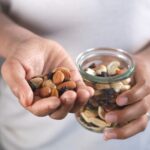
- Choose calorie-dense snacks. Trail mix, cheese and crackers, nut butter on toast, or a handful of dates with almond butter.
- Do not drink water right before meals. It fills your stomach with zero calories.
Some people find that drinking a calorie-dense shake before bed works well. It adds calories during a time when you are not competing with meals for appetite.



Are There Risks to Gaining Weight Quickly?
Rapid weight gain from any source carries risks. Gaining a lot of weight in a short time can increase blood pressure, strain the heart, and raise blood sugar. It also tends to add fat rather than muscle, which is not the goal for most people who want to gain weight for health or appearance reasons.
Healthier weight gain happens gradually. A common clinical approach is to aim for a modest calorie surplus — roughly 300 to 500 extra calories per day — combined with resistance training. That supports muscle gain rather than just fat gain. The exact number varies by person and activity level, and no single number fits everyone.
Eating large amounts of highly processed foods, sugary drinks, and fried foods will add weight. But they also raise the risk of metabolic problems independent of weight. The goal is not just to gain weight — it is to gain it in a way that supports your health.
If you have a medical condition that makes it hard to gain weight — such as thyroid problems, celiac disease, inflammatory bowel disease, or diabetes — talk to a doctor. Unexplained weight loss is a medical symptom, not just a diet problem. No food plan fixes an underlying condition.
What Foods Help You Gain Weight Without Junk Food?
You do not need to eat junk food to gain weight. Whole foods can be just as calorie-dense and far better for your overall health. The key is choosing the right ones.
Here is a comparison of calorie-dense whole foods and their approximate calorie content:
| Food | Serving | Approximate Calories |
|---|---|---|
| Peanut butter | 2 tablespoons | 190 |
| Whole milk | 1 cup | 150 |
| Avocado | 1 medium | 240 |
| Olive oil | 1 tablespoon | 120 |
| Salmon (cooked) | 3 ounces | 200 |
| Almonds | 1 ounce (about 23 nuts) | 165 |
| Dates (Medjool) | 2 dates | 130 |
| Whole milk yogurt | 1 cup | 150 |
| Oats (cooked) | 1 cup | 150 |
| Sweet potato (baked) | 1 medium | 100 |
These values come from standard USDA nutritional data. They are approximate because brands and preparation methods vary.
A day of eating for weight gain might include oatmeal with peanut butter and whole milk for breakfast, a smoothie with yogurt and fruit for a snack, a salmon and avocado rice bowl for lunch, trail mix in the afternoon, and a dinner with olive oil, whole grains, and protein. That pattern can easily reach 3,000 calories or more without feeling like you are force-feeding yourself.
Does It Matter What Type of Weight You Gain?
Yes. Weight gain can come from muscle, fat, or water. For most people who want to gain weight for health or appearance, the goal is muscle. That requires two things: a calorie surplus and resistance training.
Without resistance training, a calorie surplus mostly adds fat. With resistance training, some of the extra calories go toward building muscle. The exact split depends on genetics, training history, protein intake, and how large the surplus is. Research consistently shows that resistance training combined with adequate protein supports muscle growth during a calorie surplus.
Protein needs for muscle gain are higher than for maintenance. General guidelines suggest 1.6 to 2.2 grams of protein per kilogram of body weight per day for people doing resistance training. For a 150-pound person, that is roughly 109 to 150 grams of protein daily. These ranges come from position stands by sports nutrition organizations and are widely cited in the literature.
This does not mean you need to track every gram. But it does mean that if you are gaining weight and not training, most of the gain will be fat. If you are training and eating enough protein, more of it will be muscle.
How Long Does It Take to Gain Weight?
Healthy weight gain is slow. A common clinical target is 0.25 to 0.5 kilograms (about 0.5 to 1 pound) per week. Faster than that tends to mean more fat gain and, in some cases, water retention.
At that rate, gaining 10 pounds takes roughly 10 to 20 weeks. This is not a fast process. It requires consistent eating, not a single big meal. The people who succeed at gaining weight are the ones who eat more every day, not the ones who eat a huge amount once or twice a week.
Some of the initial weight gain may be water and glycogen, especially if you increase carbohydrate intake. Glycogen stores water. This can look like rapid weight gain in the first week or two, but it is not fat or muscle. It is normal and not a sign of anything wrong.
What If You Have a Fast Metabolism?
People often say they have a fast metabolism when they struggle to gain weight. Metabolism does vary between people, but the differences are usually smaller than people assume. Research shows that most variation in resting metabolic rate is explained by body size, age, and sex — not by a mysterious fast metabolism.
What is more common is that people who struggle to gain weight simply eat less than they think. This is not a criticism. It is easy to overestimate how much you eat. Tracking calories for a week or two can show you where the gap is.
Other factors that make weight gain harder include high activity levels, stress, poor sleep, and certain medical conditions. If you have tried to gain weight and cannot, a doctor can check for underlying causes such as thyroid issues, digestive conditions, or diabetes.
Do You Need Supplements to Gain Weight?
No. Supplements are not required for weight gain. Food works. That said, some supplements can help if you struggle to eat enough.
Protein powder is the most common. It adds protein and calories to shakes and smoothies without much volume. Mass gainer powders are also available, but they are often just protein powder mixed with sugar and maltodextrin. You can make your own for less money with whole foods.
No clinical guidelines recommend specific weight-gain supplements for the general population. If you have a medical condition that affects appetite or digestion, a doctor or dietitian may recommend specific products. For most people, food is enough.
Frequently Asked Questions
What food makes you gain weight the fastest?
Nut butters, oils, and full-fat dairy are among the most calorie-dense foods, making them efficient for weight gain. No single food works faster than others — total daily calories matter most.
Can I gain weight by eating only healthy food?
Yes. Whole foods like avocados, nuts, olive oil, whole grains, and fatty fish are calorie-dense and can support weight gain without junk food. The key is eating enough of them consistently.
How many extra calories do I need to gain weight?
A common clinical approach is a surplus of roughly 300 to 500 calories per day, combined with resistance training. The exact amount varies by person, activity level, and goals.
Does eating before bed help you gain weight?
Eating before bed can add calories without competing with meals for appetite during the day. There is no strong evidence that timing alone determines weight gain — total daily intake matters more.
