

Constipation is one of the most common digestive complaints, and the fix is often sitting in your kitchen. Foods high in insoluble fiber add bulk to stool, while soluble fiber draws water into the gut to soften it. Prunes, pears, apples, and oats are among the most reliable choices because they combine fiber with natural sugars or compounds that stimulate bowel movement. For most people, increasing these foods gradually, along with water, relieves constipation within a few days.
What Food Makes You Poop A Lot And Eases Constipation?
The most effective foods for constipation are those rich in fiber, particularly insoluble fiber, which does not dissolve in water. This type of fiber passes through the digestive tract largely intact, adding bulk to stool and triggering the intestinal walls to contract and push waste along. Soluble fiber, found in oats, barley, and certain fruits, forms a gel-like substance that softens stool, making it easier to pass.
Prunes are frequently cited as the single most effective food for constipation. They contain sorbitol, a naturally occurring sugar alcohol that draws water into the intestines. This combination of insoluble fiber and sorbitol produces a mild laxative effect. Research published in the journal Alimentary Pharmacology and Therapeutics found that prunes were more effective than psyllium, a common fiber supplement, for improving stool frequency and consistency.
Other fruits with strong evidence include pears and apples. Both contain pectin, a type of soluble fiber that softens stool. Kiwifruit has also shown promise. Some clinical trials suggest that eating two kiwifruits daily increases stool frequency and reduces straining, though the exact mechanism is still being studied.
How Does Fiber Actually Work in the Gut?
Fiber is the part of plant foods that your body cannot digest. Unlike fats, proteins, or carbohydrates, fiber travels through the stomach and small intestine mostly unchanged. It reaches the colon intact, where it performs two critical jobs.
First, insoluble fiber acts like a sponge that holds onto water. This increases the weight and size of stool, which stimulates the colon walls to contract more vigorously. These contractions, called peristalsis, propel stool forward. Second, soluble fiber is fermented by bacteria in the colon. This fermentation produces short-chain fatty acids, which nourish the cells lining the colon and may also stimulate bowel contractions.
The key detail most people miss is that fiber requires water. Increasing fiber without increasing fluid intake can worsen constipation. The fiber absorbs whatever water is available, and if there is not enough, it forms a hard, dry plug instead of soft stool. For this reason, any dietary change for constipation should include a corresponding increase in water consumption.
Which Fruits and Vegetables Are Most Effective?
Fruits and vegetables are the most accessible sources of constipation-relieving fiber. The following are consistently supported by clinical evidence:
- Prunes and prune juice: Contain sorbitol and insoluble fiber. Studies show they increase stool frequency and improve consistency.
- Pears: High in pectin and fructose, both of which draw water into the colon.
- Apples: Best eaten with the skin on, as the skin contains most of the insoluble fiber.
- Kiwifruit: Some trials show improved bowel habits with regular consumption.
- Leafy greens like spinach and kale: Rich in magnesium and insoluble fiber, which help draw water into the bowel.
- Broccoli and Brussels sprouts: Provide a substantial fiber load per serving.
Vegetables are generally lower in natural sugars than fruits, which makes them a good option for people watching their sugar intake. However, they tend to be less effective than prunes or pears because they lack the specific compounds like sorbitol that actively pull water into the colon.




Whole Grains, Legumes, and Seeds
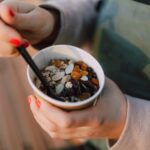
Whole grains are another reliable category for easing constipation. Oats, barley, and brown rice provide a mix of soluble and insoluble fiber. Oats are particularly useful because their beta-glucan fiber forms a gel that softens stool while also feeding beneficial gut bacteria.
Legumes — beans, lentils, chickpeas, and peas — are among the highest-fiber foods available. A single cup of cooked lentils contains roughly 15 grams of fiber, which is more than half the daily recommended intake for most adults. The fiber in legumes is mostly insoluble, making them effective for adding bulk.
Seeds deserve specific mention. Chia seeds and flaxseeds absorb many times their weight in water, forming a gel that softens stool. Ground flaxseed is better absorbed than whole seeds, which can pass through undigested. Some research suggests that flaxseed improves stool frequency in people with chronic constipation, though the evidence is not as strong as it is for prunes.
When increasing intake of legumes and seeds, do so gradually. The colon needs time to adjust to a higher fiber load. A sudden increase can cause bloating, gas, and abdominal cramping. Adding one serving per day and increasing water intake simultaneously reduces these side effects.
What About Coffee, Warm Liquids, and Other Stimulants?
Coffee is a well-known bowel stimulant, but not because of its fiber content. Coffee contains caffeine and other compounds that stimulate contractions in the colon. Some research indicates that coffee can trigger a bowel movement within minutes of consumption, even in people who do not feel the urge beforehand. This effect is stronger in the morning, when natural colon contractions are already at their peak.
Warm liquids, particularly warm water or herbal tea, can also help. Heat promotes blood flow to the digestive tract and may relax the intestinal muscles. However, warm liquids alone are not a reliable treatment for established constipation. They work best as a complement to a high-fiber diet.
Magnesium is another compound worth noting. Magnesium draws water into the intestines and relaxes the bowel muscles. Foods rich in magnesium — almonds, spinach, cashews, and pumpkin seeds — can support regular bowel movements. Magnesium supplements are sometimes used as a laxative, but the evidence for food-based magnesium specifically treating constipation is less direct.
Foods That Can Make Constipation Worse
Just as some foods help, others can worsen constipation. Processed foods low in fiber, such as white bread, pastries, and fast food, contribute to hard, infrequent stools. Dairy products are a common culprit for some people. While dairy does not cause constipation in everyone, it can be a trigger for those with sensitivity or intolerance.
Unripe bananas are a specific problem food. They contain high amounts of resistant starch, which can be difficult to digest and may slow bowel transit. Ripe bananas, by contrast, contain more soluble fiber and are generally well tolerated.
Red meat is frequently associated with constipation. It is high in fat, low in fiber, and takes longer to digest. Replacing some red meat with plant-based protein sources like beans or lentils can improve bowel regularity.
How Quickly Will Dietary Changes Work?
The timeline for relief varies from person to person. For mild constipation, increasing fiber and water often produces results within 24 to 48 hours. For chronic constipation, defined as fewer than three bowel movements per week lasting several months, dietary changes may take one to two weeks to show meaningful improvement.
It is important to distinguish between occasional constipation and chronic cases. Occasional constipation is common and usually responds to dietary adjustment. Chronic constipation may require medical evaluation, especially when accompanied by abdominal pain, blood in the stool, or unexplained weight loss. These symptoms warrant a doctor’s visit rather than self-treatment.
If fiber intake is already adequate and symptoms persist, the cause may be something other than diet. Medications, thyroid disorders, diabetes, and neurological conditions can all cause constipation. A healthcare provider can help identify the underlying cause.
Practical Tips for Increasing Fiber Without Discomfort
Adding fiber to your diet is straightforward, but doing it wrong causes unnecessary discomfort. The following approach minimizes side effects:
- Increase fiber gradually: Add 3 to 5 grams per day every few days rather than doubling your intake overnight.
- Drink more water: Aim for 8 to 10 cups of fluid daily when increasing fiber. Water is the most effective choice.
- Exercise regularly: Physical activity stimulates intestinal contractions and supports healthy bowel function.
- Do not ignore the urge: Delaying a bowel movement allows the colon to reabsorb water from stool, making it harder to pass.
Consistency matters more than quantity. Eating a high-fiber meal once a week will not relieve constipation. Regular daily intake, combined with adequate hydration, is what produces lasting results.
Frequently Asked Questions
How many prunes should I eat for constipation?
About 3 to 4 prunes (roughly 50 grams) daily is a common starting point in clinical studies. Increase water intake at the same time to help the fiber work effectively.
Do apples or apple juice work better for constipation?
Whole apples are more effective because the skin provides insoluble fiber that juice lacks. Apple juice contains sorbitol and water but very little fiber, so it is a weaker option.
Can eating too much fiber cause constipation?
Yes, if fiber increases without enough water, it can form a hard plug and worsen constipation. Increase fiber gradually and pair it with extra fluids to avoid this.
Is yogurt good for constipation?
Yogurt with live probiotics may help some people by supporting gut bacteria, but it is not a strong laxative. It works best as part of a diet that already includes adequate fiber and fluids.
