
If you are on a keto diet, traditional wheat flour is not an option because it is high in carbs. The most keto-friendly flours include almond flour, coconut flour, flaxseed meal, and others with very low net carbohydrates. This article explains the best low-carb picks and key facts to help you choose what to use in your baking and cooking.
What Makes a Flour Keto-Friendly?
A keto-friendly flour is one that keeps your net carbohydrates low enough to stay in ketosis. Net carbs are total carbohydrates minus fiber and sugar alcohols. Fiber does not raise blood sugar, so it does not count toward your daily carb limit.
Most people on a standard keto diet aim for 20 to 50 grams of net carbs per day. A single serving of flour should add only a few net carbs to that total. Almond flour, for example, has about 3 grams of net carbs per quarter cup. That leaves room for other foods in your day.
Keto flours are also typically high in fat and protein compared to wheat flour. This helps keep meals satisfying and supports the macronutrient ratios of a keto diet. However, not all low-carb flours are the same. Some are higher in fiber, some are more absorbent, and they behave differently in baking.
Almond Flour: The Most Popular Keto Flour
Almond flour is the go‑to flour for many keto dieters. It is made from blanched almonds that are ground into a fine powder. It has a mild, nutty flavor and a texture similar to wheat flour in many recipes.
Nutritionally, a quarter cup (about 28 grams) of almond flour contains roughly 6 grams of total carbohydrates and 3 grams of fiber, giving about 3 grams of net carbs. It also provides 6 grams of protein and 14 grams of fat. This makes it a good source of vitamin E and magnesium.
Almond flour works well for cookies, muffins, pancakes, and pie crusts. Because it is high in fat, it browns faster than wheat flour. You may need to lower your oven temperature by 25°F or watch baking times closely.
One downside is that almond flour is calorie‑dense. A quarter cup has around 160 calories. If you are watching your total calorie intake, be mindful of portion sizes. Also, people with nut allergies cannot use almond flour. Coconut flour or flaxseed meal are better alternatives for them.
Coconut Flour: A High‑Fiber Alternative
Coconut flour is made from dried, defatted coconut meat that is ground into a fine powder. It is very high in fiber and extremely absorbent. A quarter cup (about 30 grams) of coconut flour contains roughly 10 grams of total carbohydrates and 5 grams of fiber, leaving about 5 grams of net carbs.
Because coconut flour soaks up so much liquid, you cannot substitute it one‑to‑one for almond flour or wheat flour. Most recipes use only a small amount — often a quarter cup or less — and require extra eggs or liquid to compensate. A common rule is that 1 cup of almond flour can be replaced by about ¼ cup of coconut flour plus 1 egg per ounce of coconut flour.
Coconut flour has a light, airy texture and a mild coconut flavor. It works well in pancakes, muffins, and breads. It is also nut‑free, making it suitable for people with nut allergies. Because it is low in fat compared to almond flour, recipes often call for added butter, oil, or cream to keep baked goods moist.





Flaxseed Meal and Chia Seed Flour
Flaxseed meal is simply ground flaxseeds. It is very low in digestible carbs. Two tablespoons (about 14 grams) of flaxseed meal contain roughly 6 grams of total carbohydrates and 4 grams of fiber, giving about 2 grams of net carbs. It also provides 3 grams of protein and 4 grams of fat, mostly omega‑3 fatty acids.
Flaxseed meal can be used in place of a portion of almond flour in many recipes. It adds a nutty, earthy flavor and helps bind ingredients together because it forms a gel when mixed with water. This makes it useful as a vegan egg substitute: mix 1 tablespoon of flaxseed meal with 3 tablespoons of water and let it sit for 5 minutes.
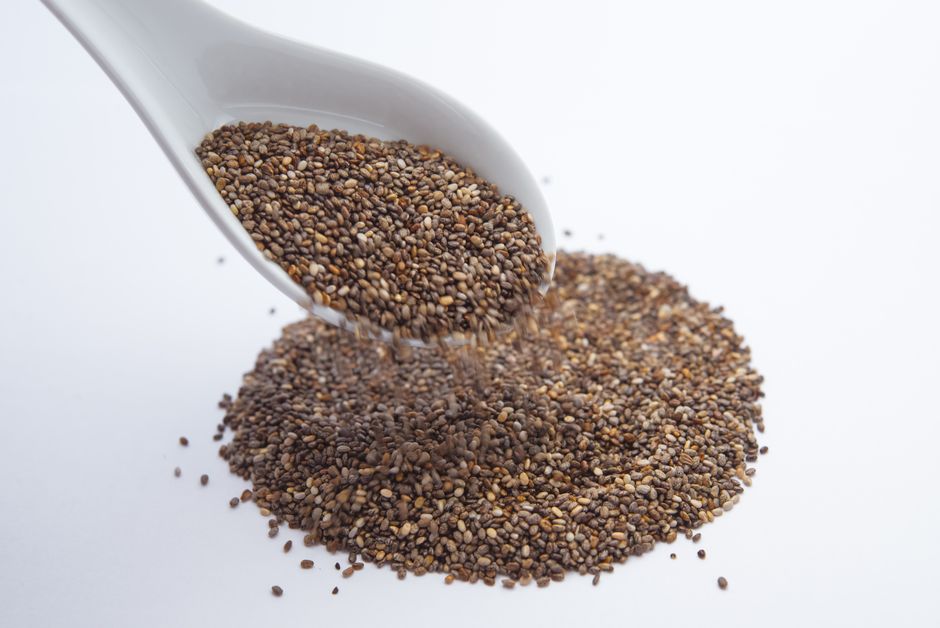
Chia seed flour is similar but less common. Ground chia seeds have an even higher fiber content. Two tablespoons provide about 2 grams of net carbs. Chia seeds also form a gel and work well in puddings and as a thickener, but they are less often used as a primary baking flour.
Both flax and chia flours are rich in fiber and omega‑3s, but they go rancid faster than almond or coconut flour. Store them in the refrigerator or freezer to keep them fresh.
Other Low‑Carb Flours Worth Knowing About
Beyond the top three, several other flours can fit into a keto diet. Psyllium husk powder is not a flour by itself but is often added to keto baking for texture and fiber. It has nearly zero net carbs and helps create a bread‑like chewiness. Use it sparingly — a teaspoon or two in a recipe is usually enough.
Oat fiber is a powder made from the husks of oats. It contains almost no digestible carbs and adds bulk without altering flavor. Do not confuse oat fiber with oat flour. Oat flour is high in carbs and not keto‑friendly. Oat fiber, on the other hand, is pure insoluble fiber and is widely used in low‑carb bread recipes.
Lupin flour comes from sweet lupin beans. It is high in protein and fiber, with about 11 grams of total carbs and 9 grams of fiber per quarter cup, yielding about 2 grams of net carbs. Lupin flour has a slightly bitter taste that some people dislike, but it works well when blended with almond or coconut flour.
Sesame seed flour and sunflower seed flour are also options if you avoid nuts. They have net carb counts similar to almond flour. However, sunflower seed flour can turn green when mixed with baking soda or yeast due to a reaction with the chlorophyll. This is harmless but may look unappealing.
How to Use Keto Flours in Baking
Baking with keto flours is different from baking with wheat flour. Wheat flour contains gluten, which gives structure and elasticity. Keto flours lack gluten, so you need to add binders like eggs, xanthan gum, or psyllium husk to hold baked goods together.
Almond flour is the easiest to substitute in most recipes. You can often replace wheat flour with almond flour at a 1:1 ratio if the recipe is simple, but you may need to reduce the liquid or increase the fat. For every 1 cup of almond flour, expect to use about 1 egg.
Coconut flour requires more adjustments. A good starting point is to use ¼ cup of coconut flour for every 1 cup of wheat flour and then add 2 eggs plus an extra tablespoon of liquid per quarter cup of coconut flour. Many coconut flour recipes are developed specifically for it, so it is best to follow a tested recipe at first.
Flaxseed meal and chia flour work as partial replacements. You can replace up to one‑third of the almond flour in a recipe with flaxseed meal without changing the texture too much. If you use more, the baked goods become denser and more crumbly.
Measuring keto flours correctly matters. Spoon the flour into your measuring cup and level it off with a knife. Do not scoop directly with the cup — this packs the flour and can add extra carbs and calories.
Comparison of Net Carbs in Common Keto Flours
| Flour Type | Serving Size (approx.) | Net Carbs (grams) |
|---|---|---|
| Almond flour | ¼ cup (28 g) | ~3 |
| Coconut flour | ¼ cup (30 g) | ~5 |
| Flaxseed meal | 2 Tbsp (14 g) | ~2 |
| Chia seed flour | 2 Tbsp (14 g) | ~2 |
| Lupin flour | ¼ cup (28 g) | ~2 |
| Psyllium husk powder | 1 Tbsp (5 g) | ~0 |
| Oat fiber | 2 Tbsp (10 g) | ~0 |
These values are approximate and can vary by brand. Always check the nutrition label on the package. For most people, any of these flours can fit into a well‑planned keto diet as long as you account for the total net carbs from all ingredients.
Common Mistakes When Baking with Keto Flours
One frequent mistake is using too much almond flour. Because it is high in fat and calories, overdoing it can stall weight loss or exceed your calorie goals. Stick to recipe amounts and measure carefully.
Another mistake is not adjusting liquid for coconut flour. Coconut flour soaks up moisture so aggressively that a batter can go from runny to dry in seconds. Add liquid gradually and check the consistency. If the batter is too thick, add another egg or a tablespoon of water at a time.
Many people also forget that keto flours do not provide the same chew as wheat flour. Baked goods will be more tender and may crumble easily. This is normal. Adding a little psyllium husk powder or xanthan gum can improve the texture.
Finally, do not assume that all low‑carb flours are healthy in unlimited amounts. Flax and chia seeds are rich in omega‑3s, but they are also calorie‑dense. Almond flour is a good source of vitamin E, but it is also high in omega‑6 fatty acids. Balance is key.
Are These Flours Healthy Beyond the Keto Diet?
Keto flours offer nutritional benefits that go beyond low carbs. Almond flour provides vitamin E, magnesium, and monounsaturated fat. Coconut flour is a good source of fiber, which supports digestion and helps stabilize blood sugar. Flaxseed meal and chia flour deliver omega‑3 fatty acids and lignans, which have been linked to heart health.
However, these flours are processed foods to some degree. Whole nuts and seeds are generally healthier than ground forms because grinding can expose fats to oxygen, leading to faster spoilage. Still, for people who need a low‑carb alternative to wheat flour, these options are far better than refined white flour from a nutritional standpoint.
Some evidence suggests that nut consumption is associated with lower risks of heart disease and type 2 diabetes. The fiber in coconut flour and seed flours can also improve cholesterol levels. But no single food makes or breaks a diet. The overall quality of your eating pattern matters most.
Frequently Asked Questions
Can I use regular wheat flour on keto?
No, regular wheat flour is too high in carbs. One cup of all‑purpose flour contains about 95 grams of net carbs, which would use up your entire daily allowance on a keto diet.
What is the best keto flour for frying?
Almond flour and coconut flour both work well for frying, but almond flour browns faster. A mix of the two often gives the best texture and color.
Is oat flour keto-friendly?
No, oat flour is made from rolled oats and is high in carbs. One quarter cup contains about 18 grams of net carbs, too many for a standard keto diet.
Can I use keto flours for bread making?
Yes, but the bread will be denser than wheat bread. Recipes that include psyllium husk powder or vital wheat gluten (if you tolerate it) produce a more bread-like texture.
