
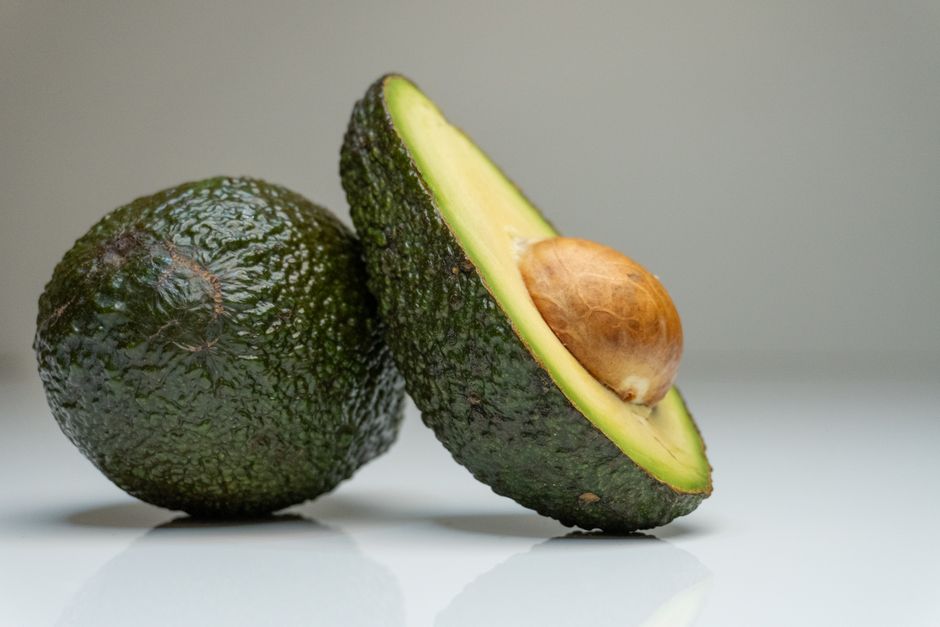
Avocados are not a carb. They are a fruit that is high in healthy fat and low in carbohydrates. A whole avocado has about 12 grams of carbs, but 9 of those grams are fiber. That leaves only about 3 grams of net carbs. For comparison, a slice of white bread has about 15 grams of carbs. So if you are asking if an avocado is a carb, the short answer is no. It is a fat-rich fruit that fits easily into low-carb and keto diets.
What Is the Carb Count in an Avocado?
A standard Hass avocado weighs about 200 grams. The USDA reports that a whole avocado contains roughly 12 grams of total carbohydrates. Of those, about 9 grams are dietary fiber. Fiber is a type of carb your body does not digest. So the net carbs — the carbs that actually affect your blood sugar — are around 3 grams.
That is a very low number. A medium banana has about 27 grams of net carbs. A cup of cooked oatmeal has about 24 grams. Even a small apple has around 15 grams of net carbs. By comparison, an avocado barely registers. The fat content is what stands out. A whole avocado provides about 30 grams of fat, mostly monounsaturated. That is the same type of fat found in olive oil.
Many people on low-carb or ketogenic diets eat avocados daily. The carb count is low enough that it does not interfere with ketosis for most people. Some people worry that because avocados are fruits, they must be high in sugar. That is not true. Avocados contain less than 1 gram of sugar per whole fruit.
Does Is Avocado A Carb Fit Into a Keto Diet?
Yes. Avocados are a staple food for many people on keto diets. A standard keto diet limits net carbs to 20 to 50 grams per day. One whole avocado uses only 3 grams of that allowance. That leaves plenty of room for vegetables, protein, and other low-carb foods.
The fat content is also ideal for keto. Keto diets require high fat intake to maintain ketosis. Avocados provide healthy fats without the processed oils found in some keto snacks. Research published in the Journal of the American Heart Association found that replacing saturated fat with monounsaturated fat from sources like avocados lowered heart disease risk. This makes avocados a smart choice for heart health even outside of keto.
Some people worry about portion control with avocados. A whole avocado is roughly 240 calories. That is fine for most people on a keto diet, where calorie needs are often met with high-fat foods. If you are tracking calories strictly, half an avocado is a reasonable serving. It still provides about 1.5 grams of net carbs and 15 grams of fat.
What Does Research on Avocados and Blood Sugar Show?
Studies have found that avocados do not spike blood sugar. A small study published in Nutrients looked at how avocados affected blood sugar after meals. Participants who ate half an avocado with a meal had lower blood sugar spikes than those who ate the meal alone. The fat and fiber in the avocado slowed down digestion. This kept glucose from entering the bloodstream all at once.
Another study in the Journal of Nutrition examined avocado intake over several months. People who ate avocados regularly had lower fasting blood sugar levels. They also had lower insulin levels. Insulin is the hormone that tells your body to store fat. Lower insulin levels are generally better for weight management and metabolic health.
There is also research on avocados and diabetes. The American Diabetes Association lists avocados as a non-starchy fruit. Non-starchy fruits and vegetables are recommended for people with diabetes because they have minimal impact on blood sugar. The fiber content is the main reason. Fiber slows carbohydrate absorption and improves gut health. Most Americans do not eat enough fiber. Avocados can help close that gap.




How Does Avocado Compare to Other Fruits and Vegetables?
Avocados are unusual among fruits. Most fruits are high in sugar and carbs. Avocados are the opposite. The table below shows how avocados compare to common fruits and vegetables.
| Food (100 grams) | Total Carbs | Fiber | Net Carbs |
|---|---|---|---|
| Avocado | 9 g | 7 g | 2 g |
| Banana | 23 g | 2.6 g | 20.4 g |
| Apple | 14 g | 2.4 g | 11.6 g |
| Orange | 12 g | 2.4 g | 9.6 g |
| Broccoli | 7 g | 2.6 g | 4.4 g |
| Spinach | 3.6 g | 2.2 g | 1.4 g |
The key takeaway is that avocados have fewer net carbs than almost any other fruit. They are closer to non-starchy vegetables like spinach and broccoli than to fruits like bananas and apples. This is why avocados are often grouped with vegetables in dietary guidelines, even though they are botanically fruits.
One common misconception is that avocados are high in protein. They are not. A whole avocado has about 3 grams of protein. That is roughly the same as a cup of spinach. Avocados are primarily a source of fat and fiber, not protein.
What Are the Health Benefits of Eating Avocados?
Avocados provide several well-documented health benefits. The fat content is mostly monounsaturated, which is linked to lower LDL cholesterol. A study in the Journal of the American Heart Association found that eating one avocado per day lowered LDL cholesterol in overweight adults. The effect was modest but real. Participants saw a drop of about 13 milligrams per deciliter of LDL.
Avocados are also rich in potassium. A whole avocado contains about 975 milligrams of potassium. That is more than a medium banana, which has about 420 milligrams. Potassium helps regulate blood pressure. The CDC reports that most Americans do not get enough potassium. Avocados can help meet that need without adding much sugar or sodium.
Fiber is another major benefit. A whole avocado provides about 9 grams of fiber. The USDA recommends 25 to 30 grams of fiber per day for adults. One avocado covers roughly a third of that. Fiber improves digestion, helps with weight management by increasing fullness, and feeds beneficial gut bacteria. Research in the journal Gut found that people who ate more fiber had lower rates of colon cancer.
Avocados also contain antioxidants like lutein and zeaxanthin. These compounds are important for eye health. They accumulate in the retina and protect against blue light damage. Some studies suggest that higher intake of these antioxidants lowers the risk of age-related macular degeneration.
Common Misconceptions About Avocados and Carbs
Some people think avocados are high in carbs because they are fruits. This is not accurate. Botanically, a fruit is the part of a plant that contains seeds. That definition has nothing to do with sugar content. Cucumbers, tomatoes, and bell peppers are also fruits. None of them are high in carbs.
Another misconception is that avocados cause weight gain because they are high in fat. This is not supported by evidence. A review in the Journal of the American College of Nutrition found that people who ate avocados regularly had lower body weight and smaller waist circumferences. The fat and fiber in avocados increase satiety, which may lead to eating fewer calories overall. Fat is calorie-dense, but it also signals fullness to your brain.
Some people believe that avocados should be avoided on low-carb diets because they contain carbs. As shown above, the net carb count is very low. Most people on low-carb diets can eat a whole avocado daily without issue. The only exception would be someone on a very strict version of keto that limits total carbs to under 20 grams per day. Even then, half an avocado uses less than 2 grams of net carbs.
There is also a myth that cooking avocados destroys their nutrients. Heat can reduce some antioxidants, but the fat and fiber remain stable. Grilling or roasting avocados is fine. The main thing to avoid is deep frying, which adds unhealthy oils and extra calories.
What to Look for When Buying Avocados
Ripeness matters for taste and texture. A ripe avocado yields slightly when pressed gently. If it is hard, it needs a few days at room temperature. If it is mushy or has dark sunken spots, it is overripe. The color of the skin is not always a reliable indicator. Hass avocados turn dark as they ripen, but other varieties stay green.
To speed up ripening, place avocados in a paper bag with a banana or apple. These fruits release ethylene gas, which speeds the process. Do not put avocados in the refrigerator until they are fully ripe. Once ripe, they can be stored in the fridge for several days to slow further ripening.
When cutting an avocado, slice it lengthwise around the pit. Twist the two halves apart. Remove the pit by tapping it with a knife and twisting. Do not try to cut the pit out with a knife blade. That is how many people get hand injuries. The safest method is to scoop out the flesh with a spoon.
Avocado flesh browns quickly when exposed to air. This is oxidation, not spoilage. To slow browning, squeeze lime or lemon juice on the cut surface. The acid prevents the enzyme reaction that causes browning. Store cut avocado with the pit still in the half, wrapped tightly in plastic wrap.
Frequently Asked Questions
Is avocado a carb or a fat?
Avocado is primarily a fat. About 77% of its calories come from fat, mostly monounsaturated. It is low in carbohydrates.
Can I eat avocado on a low-carb diet?
Yes. A whole avocado has about 3 grams of net carbs. It fits easily into most low-carb and keto diets.
How many carbs are in half an avocado?
Half a Hass avocado has about 1.5 grams of net carbs. It also provides roughly 15 grams of fat and 120 calories.
Does avocado raise blood sugar?
No. The fat and fiber in avocado slow digestion and prevent blood sugar spikes. Studies show it can actually lower post-meal blood sugar levels.
