
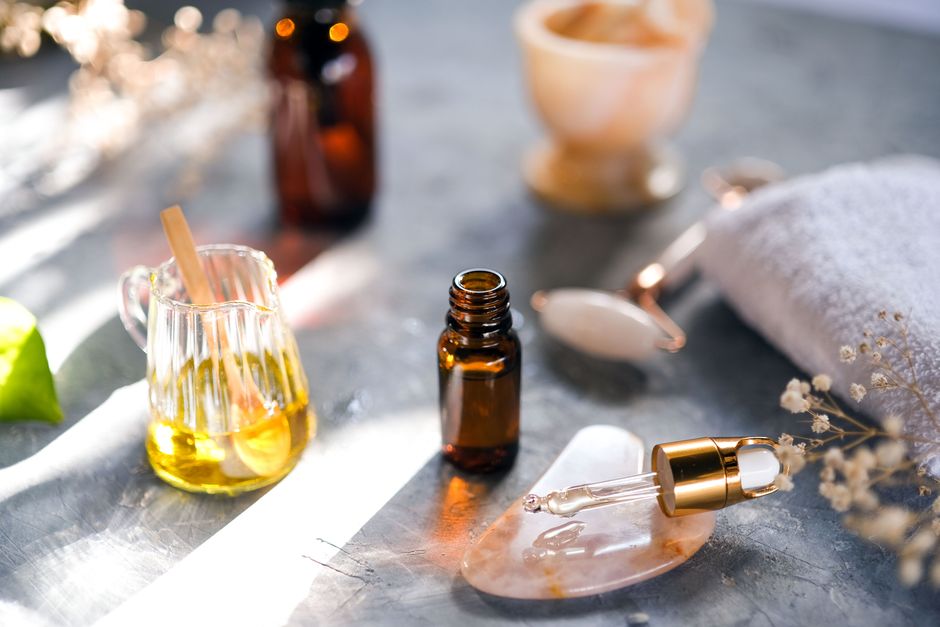
Menstrual cramps are a common part of life for many women, and the search for relief is real. Some essential oils have shown promise in helping to ease that pain. Research suggests that certain oils, particularly lavender and clary sage, may help reduce the severity of menstrual cramps when applied to the skin or used in aromatherapy.
What Does the Research Say About Essential Oils for Cramps?
The evidence for essential oils and menstrual pain is growing, but it is not overwhelming. Several small clinical studies have looked at how these oils affect period pain. The results are promising, but they are not a guaranteed cure.
Most of the research focuses on a few specific oils. Lavender oil is the most studied. Some studies have found that inhaling lavender or applying it to the lower abdomen reduces pain scores compared to a placebo. Clary sage has also been examined, often in combination with other oils like marjoram and geranium.
One review of multiple trials found that aromatherapy using certain essential oils reduced menstrual pain more than a placebo. However, the quality of these studies varies. Many have small sample sizes. Some use different methods, which makes direct comparison difficult.
It is important to understand that essential oils do not stop the uterine contractions that cause cramps. They appear to work more on how you perceive the pain. The scent and skin absorption may influence pain signaling pathways. This is a real effect, but it is not the same as stopping the physical cause.
Which Essential Oils Are Most Commonly Recommended?
Several oils appear in clinical research and traditional use for menstrual cramps. The evidence is strongest for a few specific types.
Lavender oil is the most researched option. It is known for its calming properties. Studies have used it in massage blends and for inhalation. Some research suggests it can lower pain intensity during the first days of menstruation.
Clary sage is another common choice. It has been used traditionally for female reproductive issues. Some studies include it in blends that show pain reduction. It is often combined with marjoram, which is thought to have antispasmodic properties.
Peppermint oil contains menthol, which has a cooling effect. Some women find this soothing on the abdomen. However, direct clinical evidence for peppermint specifically for menstrual cramps is limited.
Chamomile oil is sometimes used for its anti-inflammatory properties. It is gentler than some other oils. Evidence for its effectiveness on cramps specifically is weaker than for lavender.
Here is a quick summary of the oils most often mentioned in research and practice:
- Lavender — Most studied for pain reduction.
- Clary sage — Traditional use for menstrual issues.
- Marjoram — Often blended with other oils for cramps.
- Peppermint — Cooling sensation may soothe pain.
- Chamomile — Gentle option with anti-inflammatory properties.
How Should You Use Essential Oils for Cramps?
Essential oils are concentrated plant extracts. They are powerful and must be handled with care. You should never apply them directly to the skin without diluting them first.
The most common method is topical application. Mix a few drops of essential oil with a carrier oil. Good carrier options include jojoba, sweet almond, or fractionated coconut oil. A typical dilution is 3 to 5 drops of essential oil per tablespoon of carrier oil. Apply this mixture to the lower abdomen and massage gently in a circular motion.
Inhalation is another option. You can add a few drops to a diffuser. Some women find that simply inhaling the scent from a tissue or cotton ball helps. This method is less likely to cause skin irritation.
A warm compress can also be effective. Add a few drops of oil to a bowl of warm water. Soak a small towel in the water, wring it out, and place it on your abdomen. The combination of heat and aroma may provide more relief than either alone.
Massage is often part of the treatment in clinical studies. The physical act of massage may help relax muscles. It is difficult to separate the benefit of the oil from the benefit of the massage itself. Both likely contribute.





What Are the Safety Risks and Side Effects?
Essential oils are not harmless just because they are natural. They can cause skin irritation, allergic reactions, and other side effects. Safety depends on the specific oil, the dose, and how you use it.
Skin irritation is the most common problem. This is why dilution in a carrier oil is essential. Even diluted oils can cause a reaction in sensitive individuals. It is wise to do a patch test on a small area of skin before applying to a larger area.
Some oils are not safe for everyone. Clary sage, for example, should be avoided during pregnancy. It is also not recommended for people with hormone-sensitive conditions. If you have any medical condition or are taking medication, talk to your doctor before using essential oils.
Do not ingest essential oils. Swallowing them can be toxic. The Food and Drug Administration does not regulate essential oils for internal use in the same way it regulates drugs. There is no established safe dose for oral consumption.
Quality matters. Essential oils are not standardized. A bottle labeled “lavender oil” may contain very different concentrations of active compounds depending on the brand. Look for oils that state they are 100% pure and have been tested by a third party. This does not guarantee effectiveness, but it reduces the risk of contamination.
Do Essential Oils Work Better Than Pain Relievers?
This is a question many women ask. The honest answer is that we do not have strong evidence that essential oils work as well as standard pain medication.
Nonsteroidal anti-inflammatory drugs (NSAIDs) like ibuprofen are the first-line treatment for menstrual cramps. They work by reducing the prostaglandins that cause uterine contractions. This is a direct biological effect that has been proven in large clinical trials.
Essential oils have not been tested against NSAIDs in large head-to-head studies. The research that exists is small. It shows that oils may reduce pain, but it does not show that they are equivalent to or better than medication.
Some women prefer essential oils because they want to avoid medication side effects. That is a personal choice. But if your cramps are severe enough to interfere with daily life, essential oils alone may not be enough.
There is no harm in using essential oils alongside your regular pain reliever, unless you have a specific sensitivity. Some women find that the combination works well. The oils may help with the emotional and muscular tension that comes with pain, while the medication handles the chemical cause.
What Else Can Help with Menstrual Cramps?
Essential oils are not the only option. Several non-drug approaches have evidence behind them.
Heat therapy is well studied. A heating pad or warm bath can relax the uterine muscle and reduce pain. One study found that continuous low-level heat was as effective as ibuprofen for some women. This is a simple, safe, and inexpensive option.
Exercise may help. Regular physical activity is associated with fewer menstrual cramps. The mechanism is not fully understood, but improved blood flow and endorphin release are likely involved.
Dietary changes have some support. Reducing salt, caffeine, and alcohol may help with bloating and fluid retention. Increasing magnesium intake has shown some benefit in small studies, though the evidence is not conclusive.
Acupuncture and acupressure have been studied for menstrual pain. Some trials show benefit, but the quality of the research is mixed. If you are open to these approaches, they are generally low-risk when performed by a qualified practitioner.
If your cramps are severe, do not improve with over-the-counter treatment, or are accompanied by heavy bleeding, see a doctor. Conditions like endometriosis or fibroids can cause similar pain. These require proper medical evaluation and treatment.
Frequently Asked Questions
Can I put essential oils directly on my skin for cramps?
No, you should always dilute essential oils in a carrier oil before applying to skin. Undiluted oils can cause irritation, burning, or allergic reactions.
How many drops of essential oil should I use for cramps?
A common dilution is 3 to 5 drops of essential oil per tablespoon of carrier oil. No clinical guideline establishes an exact dose, so start with the lower end and test on a small skin area first.
Are essential oils safe to use during pregnancy for cramps?
Some oils like clary sage are not considered safe during pregnancy. No clinical guidelines establish safe essential oil use for pregnant women, so consult your doctor before using any essential oil while pregnant.
How long does it take for essential oils to relieve cramps?
Most studies measure pain relief after 30 to 60 minutes of use. The effect varies by person and method of application, and relief is typically modest rather than complete.
