
Back pain and anxiety often travel together. Stress makes your muscles tense, especially in your back and shoulders, and that tension can turn into real, persistent pain. The good news is that because the pain is linked to stress, you can relieve it by addressing both the physical tension and the mental load causing it. Relief comes from a combination of movement, relaxation techniques, and practical strategies to lower your daily stress levels.
Why Does Anxiety Cause Back Pain?
Your body’s stress response is designed for short-term emergencies. When you feel anxious, your brain signals your muscles to contract, preparing you to fight or flee. This is normal and useful in a real emergency.
The problem starts when anxiety becomes chronic. Your muscles stay partially contracted for hours or days at a time. The muscles in your lower back, upper back, and neck are especially prone to holding this tension. Over time, constant muscle contraction reduces blood flow to the area, which leads to stiffness, aching, and sometimes sharp spasms.
Stress also makes you more sensitive to pain. Research shows that anxiety can lower your pain threshold, meaning you feel discomfort more intensely than you would when relaxed. This creates a cycle: stress causes pain, pain causes more stress, and the cycle continues.
How To Relieve Back Pain From Anxiety And Stress
Relieving stress-related back pain requires a two-part approach. You need to release the physical tension in your muscles and reduce the anxiety that keeps them tense.
Start with gentle movement. When your back hurts, your instinct may be to stay still. But light activity actually helps more than rest. Walking, stretching, or swimming encourages blood flow to your back muscles, which helps them relax. Aim for short, frequent movement breaks rather than one long session.
Heat therapy can provide quick relief. A warm shower, heating pad, or warm compress applied to the painful area for 15 to 20 minutes helps relax tight muscles. Some people find alternating heat and cold helpful, though heat is generally more effective for stress-related muscle tension.
Deep breathing exercises directly counter the stress response. When you breathe slowly and deeply, your nervous system gets a signal that you are safe. This triggers muscle relaxation throughout your body, including your back. Try breathing in for four counts, holding for four counts, and exhaling for six counts. Repeat for several minutes.
Stretches That Target Stress-Related Back Tension
Specific stretches can release tension in the muscles most affected by stress. These are gentle movements, not intense stretches. You should feel a mild pull, never sharp pain.
Child’s pose is effective for lower back tension. Kneel on the floor, sit back on your heels, and reach your arms forward. Let your forehead rest on the floor. Breathe deeply and hold for 30 to 60 seconds.
The knee-to-chest stretch targets the lower back. Lie on your back, pull one knee toward your chest, and hold for 30 seconds. Switch sides. This gently stretches the muscles along your spine.
Shoulder rolls help with upper back and neck tension. Sit or stand tall, roll your shoulders backward in slow circles ten times, then reverse direction. This releases the muscles that often tighten when you are stressed.
A seated spinal twist can relieve tension between your shoulder blades. Sit in a chair, twist gently to one side, and hold for 20 seconds. Return to center and twist to the other side.


Mind-Body Techniques That Reduce Stress-Related Pain
Progressive muscle relaxation is one of the most effective techniques for stress-related back pain. It involves tensing and then relaxing different muscle groups in sequence. Start with your feet, tense them for five seconds, then release. Work your way up through your legs, abdomen, hands, arms, and face. This practice trains your body to recognize the difference between tension and relaxation.
Mindfulness meditation helps break the cycle of anxiety and pain. Instead of fighting the pain or worrying about it, you observe it without judgment. Studies show that mindfulness-based stress reduction can reduce pain intensity and improve quality of life for people with chronic pain. You do not need a formal practice. Even five minutes of focused attention on your breath can help.
Yoga combines movement, stretching, and mindfulness, making it particularly effective for stress-related back pain. Gentle yoga classes or beginner videos are appropriate starting points. Avoid advanced poses that require deep back bending or twisting until your pain improves.
Daily Habits That Prevent Stress-Related Back Pain
Regular exercise is one of the best preventive measures. Physical activity burns off stress hormones and releases endorphins, your body’s natural pain relievers. Aim for at least 150 minutes of moderate exercise per week. This does not need to be intense. Brisk walking counts.
Sleep quality matters more than most people realize. Poor sleep increases both anxiety and pain sensitivity. Try to maintain a consistent sleep schedule, even on weekends. Create a relaxing bedtime routine that does not involve screens. If stress keeps you awake, writing down your worries before bed can help clear your mind.
Your posture during the day affects how much tension accumulates in your back. When you sit at a desk, keep your feet flat on the floor and your shoulders relaxed. Take a break every hour to stand and stretch. Many people hold tension in their shoulders without noticing. Periodically checking in and consciously dropping your shoulders can prevent tension from building.
Limiting caffeine and alcohol can also help. Caffeine increases muscle tension and anxiety symptoms. Alcohol disrupts sleep quality, which makes both anxiety and pain worse. This does not mean you must eliminate them completely, but reducing your intake can make a noticeable difference.
When To Seek Professional Help
Most stress-related back pain improves with self-care within a few weeks. But some situations require professional attention.
See a doctor if your back pain lasts longer than two weeks despite home treatment, if the pain is severe, or if it interferes with your daily activities. Seek immediate medical care if back pain is accompanied by fever, numbness or weakness in your legs, loss of bladder or bowel control, or if the pain follows a fall or injury.
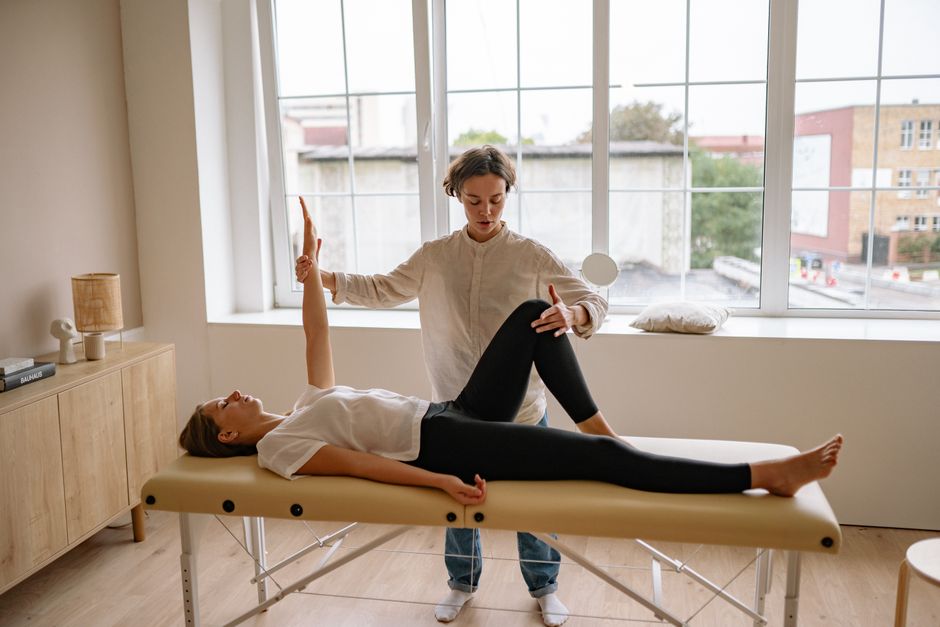
Physical therapy can be highly effective for persistent stress-related back pain. A physical therapist can identify specific muscle imbalances and teach you targeted exercises. They can also show you proper body mechanics for daily activities.
If anxiety is a significant part of your pain, cognitive behavioral therapy (CBT) can help. CBT teaches you to recognize and change thought patterns that fuel anxiety. Research shows that CBT is effective for chronic pain, even when the pain has a physical basis. Many therapists now offer online sessions, making this more accessible than ever.
Some people benefit from medication. Over-the-counter anti-inflammatory drugs like ibuprofen can reduce pain and inflammation for short-term use. For chronic anxiety-related pain, a doctor might recommend prescription medication. This is a decision to make with your healthcare provider, not on your own.
When Anxiety And Stress Are The Root Cause
Not all back pain is caused by anxiety, even in people who have anxiety. It is important to rule out other causes. Muscle strain, herniated discs, arthritis, and other conditions can cause back pain independently of stress.
However, anxiety can amplify any existing back problem. If you have a minor back injury, stress can make the pain feel worse and last longer. This is why treating the anxiety component matters even when there is a physical cause.
Pay attention to when your pain flares up. If it worsens during stressful periods and improves when you are relaxed, stress is likely a major contributor. If the pain is constant regardless of your stress level, or if it wakes you from sleep, mention this to your doctor.
Frequently Asked Questions
Can anxiety cause back pain every day?
Yes, chronic anxiety can cause daily back pain because your muscles stay tense for extended periods. The pain may fluctuate with your stress levels but can become constant if the anxiety is ongoing.
How long does stress-related back pain last?
Stress-related back pain can last from a few days to several months, depending on how long the stress continues. Once you address both the tension and the anxiety, most people notice improvement within a few weeks.
What is the fastest way to relieve back pain from stress?
Applying heat and doing gentle stretches provides the fastest physical relief. Combining this with deep breathing helps calm your nervous system, which allows your back muscles to release tension more completely.
Should I see a doctor for anxiety-related back pain?
See a doctor if the pain lasts more than two weeks, is severe, or interferes with daily life. Also seek medical attention if you have numbness, weakness, fever, or pain after an injury.
