
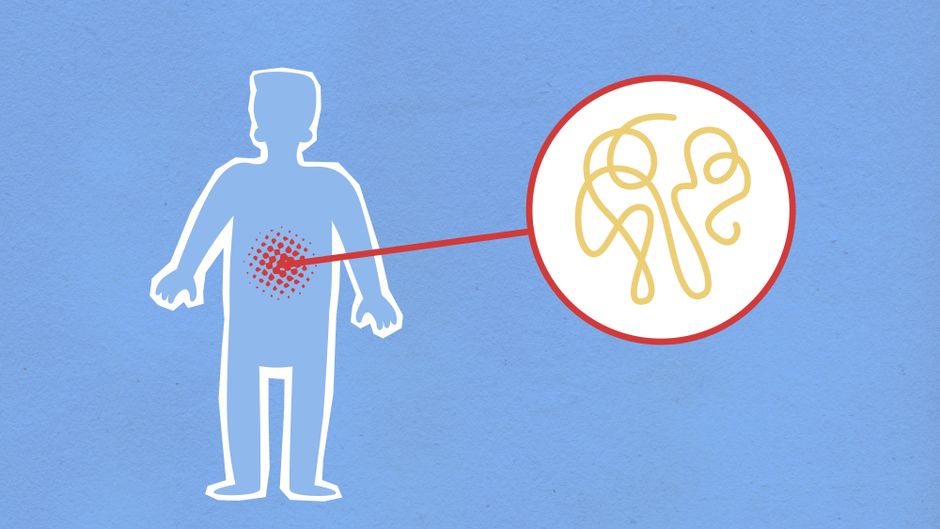
Your stomach is a powerful chemical mixer, but it is a surprisingly poor absorber. It handles a few substances directly — water, some medications, alcohol, and certain weak acids — while the real work of nutrient absorption happens farther down the digestive tract, mainly in the small intestine.
That division of labor surprises most people. Many assume the stomach is where food becomes fuel for the body. In reality, the stomach’s job is to break food down, kill microbes, and control how quickly contents move onward. Absorption is mostly a job for the roughly 20 feet of small intestine that follows.
Understanding what the stomach does and does not absorb explains a lot — why some drugs act fast, why certain vitamins need help from other organs, and why stomach surgery can create lifelong nutritional problems.
What Does The Stomach Absorb Less Than You Think?
The stomach absorbs far less than most people assume. Its lining is built for protection and secretion, not for pulling nutrients into the bloodstream.
The stomach’s inner surface is covered by a thick layer of mucus and tightly packed cells joined by tight junctions. That design keeps harsh acid and digestive enzymes from eating through the stomach wall. It also blocks most dissolved nutrients from passing into the blood.
Compare that to the small intestine, whose lining is folded into villi and microvilli that multiply its surface area enormously. The small intestine is where the vast majority of carbohydrates, proteins, fats, vitamins, and minerals cross into the bloodstream.
So while the stomach is essential, it is mainly a processing station. It receives food, churns it with acid and enzymes, and releases the resulting paste into the small intestine in controlled amounts.
What Actually Gets Absorbed in the Stomach?
A short list of substances can cross the stomach lining directly. Water is one. Some lipid-soluble compounds, including certain drugs and alcohol, are others.
Water absorption in the stomach is modest compared with the small intestine, but it happens. This is one reason oral rehydration solutions are designed with specific salt and sugar ratios — the goal is to speed absorption in the small intestine, not the stomach.
Alcohol is absorbed partly in the stomach and partly in the small intestine. Because the stomach absorbs some alcohol directly, drinking on an empty stomach tends to raise blood alcohol faster. Food slows the emptying of the stomach into the small intestine, which slows alcohol’s entry into the bloodstream.
Some medications are absorbed in the stomach because they are weak acids that remain uncharged in the acidic environment. In that uncharged form, they can slip across cell membranes. Aspirin is a classic example. This is part of why aspirin can irritate the stomach lining — it crosses into the cells that line the stomach.
Certain weak acids, including some forms of aspirin and related compounds, are absorbed in the stomach. But even for these, the small intestine usually absorbs the larger share because of its far greater surface area and longer contact time.
Why Is the Stomach Built to Resist Absorption?
The stomach’s main jobs are mechanical and chemical, not absorptive. Its structure reflects that.
When you swallow food, the stomach adds hydrochloric acid strong enough to break down proteins and kill many swallowed microbes. It also releases enzymes, including pepsin, that begin protein digestion. The churning motion turns food into a semi-liquid called chyme.
If the stomach lining were as absorptive as the small intestine, it would be far more vulnerable. A thin, highly permeable barrier would let acid and digestive enzymes damage the tissue beneath. The stomach instead uses a thick mucus layer and tightly sealed cells to protect itself.
There is a real trade-off here. A barrier good at keeping acid in is also good at keeping nutrients out. The body solves this by doing most absorption downstream, where the contents are less acidic and the lining is specialized for uptake.




Where Does Most Nutrient Absorption Happen?
The small intestine does the heavy lifting. Its three sections — the duodenum, jejunum, and ileum — each handle different tasks.
- The duodenum receives chyme from the stomach along with bile and pancreatic enzymes that break down fats, proteins, and carbohydrates.
- The jejunum absorbs most sugars, amino acids, fatty acids, and many vitamins and minerals.
- The ileum absorbs vitamin B12, bile salts, and other specific nutrients the upper sections miss.
The surface of the small intestine is lined with finger-like projections called villi, and each villus cell has even smaller projections called microvilli. Together they create an enormous surface area for absorption — far greater than a simple tube would provide.
Vitamin B12 deserves special mention. It cannot be absorbed on its own. It needs to bind to a protein called intrinsic factor, which is made by the stomach’s parietal cells. The B12-intrinsic factor complex is then absorbed in the ileum. This is why conditions that damage the stomach’s parietal cells can lead to B12 deficiency even if the diet contains plenty of B12.
What Does This Mean for Medications?
How much of a drug the stomach absorbs affects how fast it works and how strongly it acts. This has practical consequences.
Some drugs are designed to dissolve and be absorbed in the stomach or upper small intestine. Others are coated to survive stomach acid and release their contents farther down. Enteric coatings, for instance, are designed to resist the acidic stomach and dissolve in the more neutral small intestine. This can protect the stomach from irritation or protect the drug from being destroyed by acid.
Stomach emptying speed matters too. If the stomach empties quickly, a drug reaches the small intestine sooner and may act faster. If it empties slowly, absorption may be delayed. Factors like food, certain medications, and individual physiology all influence this.
This is also why some medications interact with food. A meal can change stomach acidity and emptying time, which can change how much of a drug is absorbed. That is one reason some drugs are labeled to be taken with or without food.
Does Stomach Surgery Affect Absorption?
Yes. Procedures that remove or bypass parts of the stomach can change absorption in ways that require lifelong management.
Bariatric surgeries such as sleeve gastrectomy and gastric bypass alter the stomach’s size and, in bypass procedures, reroute food past part of the stomach and small intestine. This can reduce absorption of certain nutrients, including vitamin B12, iron, calcium, and others.
Because of this, people who have had these surgeries typically need regular monitoring and may need vitamin and mineral supplements. This is established clinical practice, not a fringe recommendation. The specific supplements and monitoring schedule vary by procedure and should come from the treating clinician.
The key point is that the stomach’s role in absorption is small — but not zero. Remove or bypass it, and the downstream effects on nutrition can be significant enough to require ongoing care.
Common Myths About Stomach Absorption
A few persistent ideas about the stomach do not hold up.
One myth is that the stomach absorbs most of your food. It does not. It breaks food down and passes it along. The small intestine absorbs the nutrients.
Another is that taking vitamins on an empty stomach means they are absorbed in the stomach. Most vitamins are absorbed in the small intestine. Taking them with or without food mainly affects how they dissolve and how they interact with other contents, not whether the stomach absorbs them.
A third is that alcohol is absorbed only in the small intestine. Alcohol is absorbed in both the stomach and the small intestine. The stomach’s share is smaller, but it is real, and it is one reason drinking on an empty stomach hits faster.
None of these myths are harmless. They shape how people take medications, time their drinks, and think about their digestion. Getting the basics right matters.
Frequently Asked Questions
Does the stomach absorb water?
Yes, the stomach absorbs some water, but the small intestine absorbs most of it. The stomach’s contribution is modest compared with the roughly 20 feet of small intestine that follows.
Is alcohol absorbed in the stomach?
Yes, alcohol is absorbed partly in the stomach and partly in the small intestine. Drinking on an empty stomach raises blood alcohol faster because there is less food to slow the stomach’s emptying.
Why can’t vitamin B12 be absorbed without intrinsic factor?
Vitamin B12 must bind to intrinsic factor, a protein made by the stomach’s parietal cells, to be absorbed in the ileum. Without intrinsic factor, B12 cannot cross into the bloodstream even if the diet contains enough of it.
Does the stomach absorb nutrients from food?
The stomach absorbs very few nutrients from food. It mainly breaks food down with acid and enzymes, then releases it into the small intestine, where most nutrient absorption occurs.
