
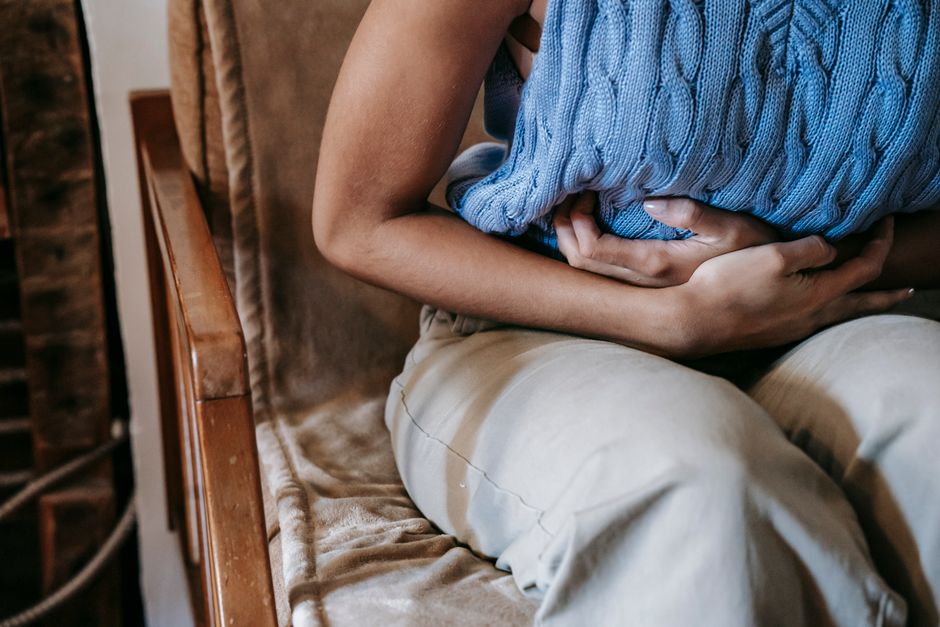
Yes, piles can cause stomach ache, but the ache is usually a secondary symptom rather than the primary problem. Hemorrhoids, which are swollen veins in the lower rectum and anus, most often cause pain, itching, and bleeding during bowel movements. However, the constipation that typically triggers piles can also cause cramping and generalized abdominal discomfort. In some cases, the pain from a thrombosed hemorrhoid can radiate into the lower abdomen. If your stomach ache is severe, persistent, or comes with other symptoms like fever or vomiting, that points to a different condition entirely, not piles.
What Are Piles and How Do They Develop?
Piles, also called hemorrhoids, are clusters of veins in the lower rectum and anus that become swollen and inflamed. Almost everyone has these veins naturally. They help control bowel movements. Problems start when increased pressure causes them to stretch and bulge.
That pressure usually comes from straining on the toilet. Chronic constipation is the most common cause. Sitting for long periods, pregnancy, obesity, and heavy lifting can also contribute. When the veins swell, they can bleed, itch, or become painful.
There are two types. Internal hemorrhoids form inside the rectum. They often bleed but may not hurt. External hemorrhoids form under the skin around the anus. These are the ones that become itchy, painful, or tender.
Can Piles Cause Stomach Ache?
The direct answer is that piles themselves do not typically cause stomach aches. The pain from hemorrhoids is located in the anal canal and lower rectum. You feel it at the source.
But there is an indirect connection. The constipation that causes piles also causes abdominal cramping. When stool sits in the colon for too long, the colon stretches. That stretching triggers pain receptors. You feel that as a stomach ache or cramping sensation.
Another scenario involves thrombosed hemorrhoids. This happens when a blood clot forms inside an external hemorrhoid. The clot causes sudden, severe pain at the anus. In some people, that pain radiates upward into the lower abdomen. It can feel like a stomach ache, though the true source is below.
If you have both piles and stomach pain, the most likely explanation is that constipation is causing both. Treating the constipation often resolves both problems together.
How to Tell If Your Stomach Ache Is from Piles or Something Else
Location matters. Pain from piles is usually low, near the tailbone or in the pelvic area. It rarely rises above the belly button. Cramping from constipation tends to be diffuse. You feel it across the lower belly, and it often comes and goes in waves.
Timing matters too. Constipation cramps often improve after a bowel movement. If your stomach ache disappears after you pass stool, constipation is the likely culprit. If the pain stays constant regardless of bowel movements, look for another cause.
Watch for red flags. Fever, vomiting, severe tenderness, or pain that worsens over hours are not caused by piles. These symptoms require medical evaluation. Blood in the stool can come from hemorrhoids, but it can also signal more serious conditions like inflammatory bowel disease or colon polyps.
If you are over 45 and have new digestive symptoms, or if you have a family history of colon cancer, mention the symptoms to your doctor. Piles are common and usually harmless, but they are not the only explanation for abdominal pain.





Why Constipation Links Piles and Stomach Pain
Constipation is the common thread. When you are constipated, stool becomes hard and dry. Passing it requires straining. That straining increases pressure on the veins in your rectum, which leads to piles.
At the same time, the backed-up stool stretches your colon. The colon has stretch receptors that signal pain. This produces cramping and a general feeling of fullness or pressure in the abdomen. Some people describe it as a dull ache that comes and goes.
Constipation also causes bloating. Gas builds up behind the hard stool. That gas distends the intestines and adds to the discomfort. Again, the stomach ache here is from the constipation, not from the hemorrhoids themselves.
Breaking this cycle requires softening the stool. Once bowel movements become regular and easy, both the piles and the stomach cramping tend to improve. This is why dietary changes are the first-line treatment for both conditions.
Effective Ways to Relieve Constipation and Reduce Stomach Ache
Increasing fiber is the most reliable approach. Fiber absorbs water and softens stool. It also adds bulk, which stimulates the colon to contract and move stool along. Good sources include oats, beans, lentils, fruits, and vegetables.
You need water for fiber to work. Fiber without adequate fluid can actually worsen constipation. Aim for consistent hydration throughout the day. Urine that is pale yellow is a reasonable sign you are drinking enough.
Regular physical activity helps. Movement stimulates intestinal contractions. Even a daily 20-minute walk can make a difference. The effect builds over weeks, not overnight.
Do not ignore the urge to go. Holding in stool allows more water to be absorbed, making the stool harder. When you feel the urge, use the bathroom promptly.
Over-the-counter stool softeners like docusate can help short-term. Bulk-forming laxatives like psyllium are also effective. Stimulant laxatives work faster but should not be used daily without medical supervision. If constipation lasts more than three weeks despite these measures, see a doctor.
When Stomach Pain Requires Immediate Medical Attention
Some symptoms should never be attributed to piles. Severe abdominal pain that comes on suddenly and intensifies is an emergency. It can indicate appendicitis, a bowel obstruction, or a perforated organ.
Pain accompanied by fever suggests infection. Vomiting with abdominal pain also warrants urgent evaluation. If your belly is rigid or tender to the touch, do not wait to see if it passes.
Blood in the stool is common with piles, but the pattern matters. Bright red blood on toilet paper or on the surface of the stool is typical of hemorrhoids. Dark, tarry stool indicates bleeding higher in the digestive tract. That requires investigation.
Unexplained weight loss, persistent changes in bowel habits, or anemia symptoms like fatigue and shortness of breath all deserve medical workup. These are not explained by piles.
Trust your judgment. If something feels wrong beyond your usual piles symptoms, seek care. It is better to be evaluated and reassured than to miss a serious condition.
Preventing Piles and Stomach Ache Together
Prevention focuses on keeping bowel movements soft and regular. That means consistent fiber intake, adequate fluids, and daily movement. These habits address the root cause of both problems.
Do not strain on the toilet. If you feel the need to push hard, stop and try again later. Straining is the single most direct cause of hemorrhoid flare-ups. Give yourself time to relax rather than forcing a bowel movement.
Limit time on the toilet. Sitting for more than 10 minutes increases pressure on the rectal veins. If nothing happens, get up and move around. Return when you feel the urge again.
Maintain a healthy weight. Excess weight, especially around the abdomen, increases pressure on the pelvic veins. Losing weight can reduce both hemorrhoid symptoms and constipation.
For pregnant women, piles are common due to hormonal changes and pressure from the growing uterus. Fiber and fluids help, but consult your obstetrician before using any laxative during pregnancy.
Frequently Asked Questions
Can hemorrhoids cause pain in the lower stomach?
Yes, but usually indirectly. Constipation that causes hemorrhoids can also cause lower abdominal cramping. Rarely, pain from a thrombosed hemorrhoid radiates upward into the lower abdomen.
How do I know if my stomach ache is from piles or something serious?
Piles-related discomfort improves after a bowel movement and stays low in the abdomen. Fever, vomiting, constant severe pain, or dark tarry stool are not from piles and require medical attention.
Does treating constipation relieve both piles and stomach ache?
In most cases, yes. Softening the stool reduces straining, which eases hemorrhoid pain, and regular bowel movements relieve the colon stretching that causes cramps.
Can I take laxatives for piles and stomach pain?
Bulk-forming laxatives like psyllium are generally safe for regular use. Stimulant laxatives should only be used short-term. If constipation persists beyond three weeks, see a doctor.
