
The endocrine system is your body’s chemical messaging network. It is a collection of glands that release hormones directly into your bloodstream. Those hormones travel to organs and tissues and tell them what to do — when to grow, when to burn energy, when to hold water, and when to release sugar. That is what the endocrine system does in one sentence: it controls slow, body-wide processes through chemicals instead of through nerves.
Unlike the nervous system, which sends fast electrical signals along dedicated wires, the endocrine system works through the bloodstream. A hormone released from a gland can reach nearly every cell in the body. Only cells with the right receptor respond. This is why one hormone can affect the heart, bones, and kidneys at the same time.
The system runs quietly. You do not feel your thyroid adjusting your metabolism or your pancreas releasing insulin after a meal. When it works, you notice nothing. When it does not, the effects can show up almost anywhere.
What Does the Endocrine System Do?
It manages the body’s long-term internal balance. That includes growth, metabolism, reproduction, blood pressure, blood sugar, sleep cycles, and how your body responds to stress.
Each of these jobs is handled by hormones acting on specific targets. Insulin moves glucose from the blood into cells. Thyroid hormones set the pace at which cells use energy. Cortisol rises in response to stress and helps regulate blood sugar and blood pressure. Sex hormones drive development and reproduction. These functions are well established and not in dispute.
What makes the system unusual is its feedback design. Most endocrine glands are controlled by a loop involving the brain. The hypothalamus signals the pituitary gland, the pituitary signals a target gland, and the target gland’s hormone travels back to shut off the signal. This is called negative feedback. It keeps hormone levels within a narrow range. When the loop breaks, levels can drift too high or too low.
Which Glands Make Up the Endocrine System?
The major glands are the hypothalamus, pituitary, thyroid, parathyroid, adrenal glands, pancreas, and gonads. Each has a defined job.
- Hypothalamus — the control center. It links the brain to the endocrine system and tells the pituitary what to do.
- Pituitary — often called the master gland. It sends signals to the thyroid, adrenals, and gonads, and releases growth hormone.
- Thyroid — sets metabolic rate and helps control calcium through calcitonin.
- Parathyroid — four small glands that regulate blood calcium. This matters for nerve and muscle function.
- Adrenal glands — produce cortisol, aldosterone, and adrenaline-like hormones. They manage stress response, salt balance, and blood pressure.
- Pancreas — releases insulin and glucagon to control blood sugar.
- Gonads — ovaries and testes. They produce sex hormones and support reproduction.
Some organs also release hormones even though they are not usually called endocrine glands. The kidneys, liver, heart, and fat tissue all produce hormones or hormone-like signals. Fat tissue, for example, releases leptin, which helps regulate appetite. This is one reason body composition and hormone function are connected.
How Do Hormones Actually Work?
A hormone only affects a cell if that cell has a matching receptor. No receptor, no response. This lock-and-key design is the core of how the system avoids chaos.
When a hormone binds its receptor, it changes what the cell does. Some hormones act on the cell surface and trigger a chain of reactions inside. Insulin works this way. Others pass through the cell membrane and act directly on the cell’s DNA to change which proteins the cell makes. Thyroid hormones and steroid hormones like cortisol and estrogen work this way.
This is why hormone effects are often slow. Changing which proteins a cell produces takes time. It can take hours or days for a hormone change to show up as a physical effect. That is different from a nerve signal, which fires in milliseconds.
Blood levels of most hormones are tightly controlled. Small shifts happen naturally through the day. Cortisol follows a daily rhythm, peaking in the early morning and falling at night. Growth hormone is released mostly during deep sleep. These patterns are normal and expected.





What Happens When the Endocrine System Goes Wrong?
Most endocrine problems come down to too much or too little of a hormone. The symptoms depend on which hormone is affected.
When the thyroid is underactive, metabolism slows. Common signs include fatigue, weight gain, cold sensitivity, and constipation. When it is overactive, the opposite happens — weight loss, fast heart rate, heat intolerance, and anxiety. These patterns are well documented in clinical practice.
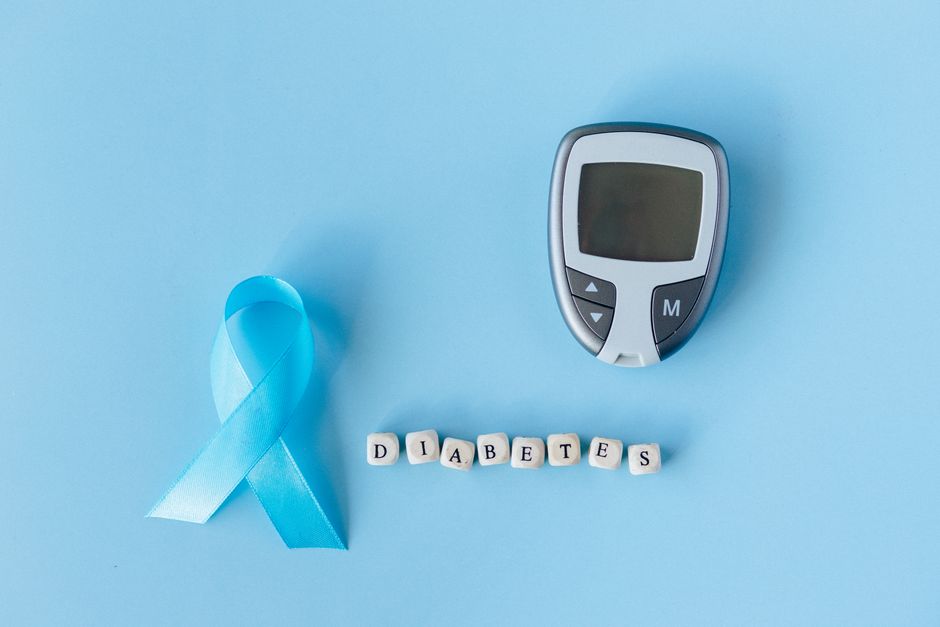
When the pancreas does not make enough insulin, or cells stop responding to it, blood sugar rises. This is diabetes. The diagnostic thresholds are established: a fasting blood glucose of 126 mg/dL or higher on two occasions, or an A1C of 6.5% or higher, supports a diabetes diagnosis. A fasting glucose between 100 and 125 mg/dL is considered prediabetes.
Adrenal problems are less common but can be serious. Too little cortisol causes fatigue, low blood pressure, and salt cravings. Too much causes weight gain in the trunk, high blood pressure, and easy bruising. These conditions are diagnosed by blood and urine tests, not by symptoms alone.
One pattern worth knowing: symptoms of endocrine disorders are often vague. Fatigue, weight change, and mood shifts can come from many causes. That is why doctors rely on lab tests rather than symptoms to confirm a hormone problem.
Can You Support Endocrine Health?
There is no single diet or supplement that “balances hormones.” That phrase is marketing, not medicine. What the evidence does support is basic and unglamorous.
Sleep matters. Growth hormone and cortisol follow daily rhythms tied to sleep. Chronic sleep loss disrupts those rhythms. Research consistently shows that short sleep affects glucose metabolism and appetite hormones.
Physical activity helps. Regular movement improves how well cells respond to insulin. This is one of the better-supported findings in endocrine research. It does not require intense training — consistent moderate activity has measurable effects.
Body weight and fat distribution affect hormone function. Fat tissue is metabolically active and influences insulin sensitivity and sex hormone levels. This relationship is real but complex, and it does not mean weight alone determines hormone health.
For most people, no supplement is needed. Some products sold for “hormone balance” contain unlisted ingredients or doses that have not been tested in humans. The evidence for most of them is limited or absent. If you suspect a hormone problem, testing matters more than supplements.
Certain nutrients do support specific glands. Iodine is needed for thyroid hormone production. Selenium and zinc play roles in thyroid function. But deficiency is uncommon in people eating a typical diet, and too much iodine can actually cause thyroid problems. More is not better here.
How Are Endocrine Disorders Diagnosed and Treated?
Diagnosis starts with blood tests. Doctors measure hormone levels, sometimes at specific times of day because of natural rhythms. They may also test the gland that controls the hormone, not just the hormone itself.
Imaging can help. Ultrasound is common for thyroid nodules. MRI is used for pituitary problems. These tools show structure, while blood tests show function.
Treatment depends on the cause. When a gland makes too little hormone, replacement therapy often works well. Thyroid hormone replacement for hypothyroidism is one of the most established treatments in medicine. When a gland makes too much, options include medication, surgery, or treatments that reduce gland activity.
Some endocrine conditions are managed rather than cured. Type 2 diabetes, for example, often requires ongoing management of blood sugar through lifestyle, medication, or both. This is not a failure of treatment — it reflects how the condition works.
Treatment timelines vary widely. Some hormone imbalances correct quickly once the cause is addressed. Others require long-term monitoring. Any timeline you read online that promises a fixed result should be treated with caution.
Frequently Asked Questions
What is the main job of the endocrine system?
Its main job is to control long-term body processes through hormones released into the bloodstream. These include metabolism, growth, blood sugar, blood pressure, and reproduction.
What are the most common endocrine disorders?
Diabetes and thyroid disorders are the most common. Adrenal and pituitary conditions are less common but can be serious.
Can you live without your endocrine system?
No. The endocrine system controls functions the body cannot manage without, such as blood sugar and metabolism. Some individual glands can be removed with hormone replacement therapy, but the system as a whole is essential.
Do hormones change with age?
Yes. Hormone levels and rhythms shift across the lifespan, including during puberty, pregnancy, and aging. These changes are normal, though they can sometimes cause symptoms that need medical evaluation.
