
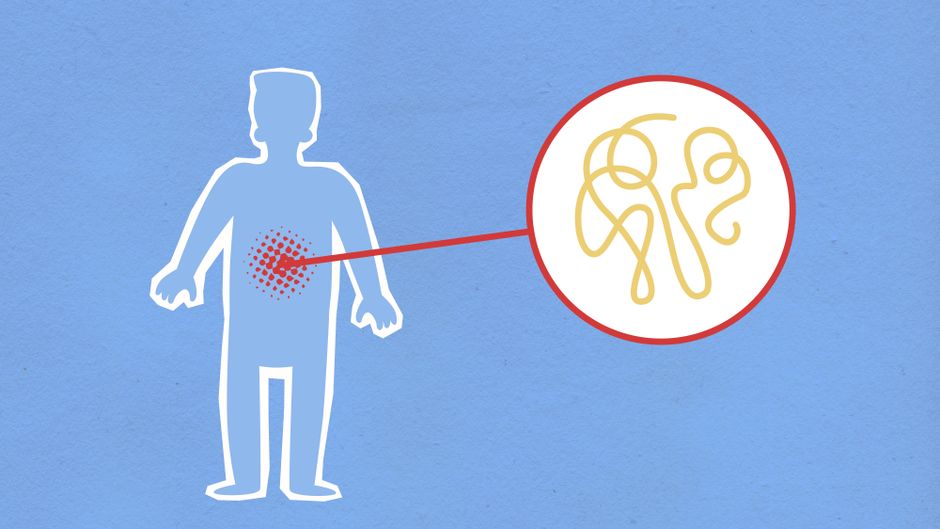
Stomach acid rising into your esophagus creates a burning sensation behind the breastbone, often described as heartburn. This feeling typically starts in the upper belly or lower chest and moves upward toward the throat. Many people also notice a sour or bitter taste in the back of their mouth, sometimes accompanied by a feeling that food is coming back up.
What Does Stomach Acid Feel Like When It Rises?
The most common sensation is a burning pain in the center of the chest. It usually begins behind the breastbone and can spread upward to the neck and throat. The intensity varies from a mild warmth to a sharp, intense burn that can be mistaken for other conditions.
For many people, the sensation worsens after eating, when lying down, or when bending over. These positions allow stomach contents to move more easily into the esophagus. The feeling often lasts anywhere from a few minutes to several hours, depending on the cause and what you ate.
Why Does Stomach Acid Cause a Burning Feeling?
The stomach is designed to handle strong acid. Its lining produces hydrochloric acid with a pH around 1.5 to 3.5, which is highly corrosive. The stomach wall has a protective mucus layer that shields it from damage.
The esophagus does not have this same protection. When acid escapes the stomach and contacts the delicate lining of the esophagus, it irritates the tissue. This irritation triggers pain receptors, which your brain interprets as a burning sensation.
This process is called gastroesophageal reflux. The lower esophageal sphincter, a ring of muscle at the junction of the stomach and esophagus, normally acts as a one-way valve. When this muscle relaxes at the wrong time or becomes weak, acid flows backward into the esophagus.
Common Sensations Beyond the Burn
Burning is not the only symptom people experience. Many describe a cluster of related sensations that can vary from episode to episode.
- Chest pressure or tightness — some people feel a squeezing sensation rather than a burn
- Sour or bitter taste — acid reaching the back of the mouth leaves a distinctive flavor
- Regurgitation — a feeling that fluid or food is rising into the throat
- Lump in the throat sensation — often called globus sensation, this feels like something is stuck
- Excessive salivation — the mouth produces extra saliva in response to acid
- Hoarseness or sore throat — especially noticeable in the morning after nighttime reflux
- Coughing or throat clearing — acid irritating the upper airway can trigger this reflex
Not everyone experiences all of these. Some people have reflux without any burning at all, a condition called silent reflux. In these cases, the primary symptoms may be a chronic cough, hoarseness, or the sensation of mucus draining in the throat.





How Long Does the Sensation Last?
A typical episode of heartburn lasts anywhere from a few minutes to a couple of hours. The duration depends largely on how much acid reached the esophagus and how quickly it is cleared.
Saliva plays an important role in neutralizing acid. When you swallow, saliva washes acid back into the stomach and buffers it with bicarbonate. This is why chewing gum or sipping water can offer temporary relief — both increase swallowing and saliva production.
If symptoms persist for more than two hours despite home remedies, or if they occur frequently, this may indicate gastroesophageal reflux disease, commonly called GERD. GERD is generally defined as reflux symptoms occurring two or more times per week, or reflux that causes damage to the esophagus.
When the Burning Is Not Stomach Acid
Chest pain can be alarming, and not every burning sensation in the chest comes from acid reflux. Several other conditions can produce similar symptoms, and distinguishing between them matters.
Angina and heart attacks can cause chest pressure, burning, or discomfort that radiates to the arm, jaw, or back. This pain often worsens with physical exertion and improves with rest. If you have risk factors for heart disease, new chest pain should never be assumed to be heartburn without medical evaluation.
Other conditions that can mimic reflux include:
- Esophageal spasms — sudden, intense chest pain from abnormal muscle contractions
- Gallbladder disease — upper abdominal pain that can radiate to the chest
- Peptic ulcers — burning stomach pain that may be mistaken for reflux
- Costochondritis — inflammation of the cartilage connecting the ribs to the breastbone
Seek emergency care if chest pain is accompanied by shortness of breath, sweating, dizziness, or pain spreading to the arm or jaw. These symptoms require immediate medical attention, not home treatment for reflux.
What Makes the Rising Sensation Worse?
Certain foods and behaviors relax the lower esophageal sphincter or increase stomach pressure, making reflux more likely.
Fatty meals slow stomach emptying, which keeps food and acid in the stomach longer. This increases the chance of reflux. Large meals stretch the stomach, which can also trigger the sphincter to relax.
Specific foods commonly trigger symptoms in sensitive individuals:
- Spicy foods
- Citrus fruits and juices
- Tomato-based products
- Chocolate
- Mint
- Caffeine
- Carbonated beverages
- Alcohol
Eating within two to three hours of lying down significantly increases nighttime reflux. Gravity helps keep acid in the stomach when you are upright. When you lie flat, that advantage disappears.
Smoking and excess weight also raise reflux risk. Smoking weakens the lower esophageal sphincter. Excess abdominal weight increases pressure on the stomach, pushing contents upward.
Can the Sensation Be Relieved at Home?
Several strategies can reduce symptoms when they occur. These are general approaches, and individual responses vary.
Standing or sitting upright helps gravity keep acid in the stomach. If you are lying down, propping the head of your bed by six to eight inches can help prevent nighttime reflux. Using extra pillows is less effective because it bends the body at the waist, which can actually increase abdominal pressure.
Antacids provide rapid but short-lived relief. They neutralize acid already in the esophagus and stomach. Products containing calcium carbonate or magnesium hydroxide typically work within minutes but only last about one to two hours.
Over-the-counter H2 blockers, such as famotidine, reduce acid production and take effect within about an hour. They provide longer relief than antacids, usually lasting up to 12 hours.
Proton pump inhibitors, or PPIs, are the most effective acid reducers. They block the acid-producing pumps in the stomach lining. They work best when taken 30 to 60 minutes before a meal, and full effect may take several days. These are appropriate for frequent symptoms but should be discussed with a healthcare provider for long-term use.
None of these medications should be used indefinitely without medical supervision. Chronic acid suppression has been associated with risks including reduced absorption of certain nutrients and increased susceptibility to some infections.
When to See a Doctor
Occasional heartburn is common and usually not a cause for concern. But certain patterns warrant medical evaluation.
See a healthcare provider if you experience heartburn two or more times per week, if symptoms interfere with sleep or daily activities, or if over-the-counter medications do not provide adequate relief. Persistent reflux can damage the esophageal lining over time, leading to a condition called esophagitis.
Some people develop Barrett’s esophagus, a condition where the esophageal lining changes in response to chronic acid exposure. This condition requires monitoring because it slightly increases the risk of esophageal cancer.
Other warning signs that require prompt medical attention include difficulty swallowing, painful swallowing, unintentional weight loss, vomiting blood, or black tarry stools. These symptoms can indicate complications that go beyond simple reflux.
What Does the Rising Sensation Feel Like Versus Other Conditions?
Heartburn from acid reflux has a recognizable pattern for most people. It typically worsens after meals, when bending over, or when lying down. It often improves with antacids or when sitting upright.
Cardiac chest pain, by contrast, often feels like pressure, squeezing, or fullness rather than a burn. It may come on with exertion and subside with rest. It can be accompanied by nausea, cold sweats, or shortness of breath.
This distinction is not always clear-cut. Studies have shown that a significant number of people with actual heart attacks initially believe they are experiencing heartburn. This is why new, unexplained chest pain should always be evaluated by a professional rather than self-diagnosed.
The rising sensation of stomach acid is uncomfortable but generally manageable. Understanding what it feels like, what triggers it, and when it signals something more serious helps you respond appropriately. If your symptoms are frequent or severe, a healthcare provider can determine whether you have GERD and recommend a treatment plan tailored to your situation.
Frequently Asked Questions
Can stomach acid rising feel like something other than burning?
Yes, some people feel pressure, tightness, or a lump sensation in the throat instead of a classic burn. Others experience only a chronic cough, hoarseness, or excessive throat clearing without any burning at all.
How can I tell if my chest pain is heartburn or a heart attack?
Heartburn typically worsens after meals or when lying down and improves with antacids, while cardiac pain often comes with exertion and may spread to the arm, jaw, or back. If you are unsure or have risk factors for heart disease, seek emergency evaluation rather than assuming it is reflux.
Why does stomach acid rise more at night?
Lying flat removes the benefit of gravity that helps keep stomach contents down during the day. Swallowing also decreases during sleep, so less saliva is produced to neutralize acid that reaches the esophagus.
Does drinking water help when stomach acid rises?
Water can help by washing acid back into the stomach and diluting it temporarily. It does not prevent reflux or reduce acid production, but it may offer brief relief from the burning sensation.
