
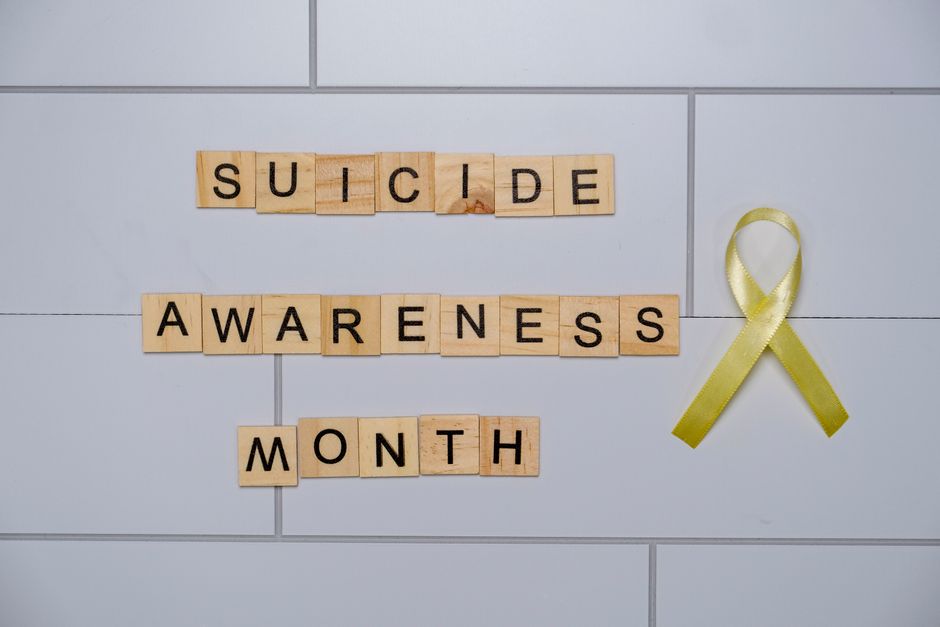
Stigma free means creating a space where people with mental health conditions are treated with the same respect and dignity as anyone else. It means challenging the negative stereotypes, prejudice, and discrimination that often surround mental illness. A stigma-free approach does not ignore mental health struggles; instead, it acknowledges them openly and without judgment, making it safe for people to seek help and talk about their experiences.
What Does Stigma Free Mean In Mental Health?
Being “stigma free” is a commitment to changing how we think, talk, and act about mental health. It involves recognizing that mental health conditions are common, real health issues—not character flaws or signs of weakness. In a stigma-free environment, a person can say “I have depression” with the same ease as saying “I have diabetes” without fearing negative consequences at work, in their family, or in their community.
This concept applies to both external stigma (how society treats people) and internal stigma (the shame a person may feel about themselves). A stigma-free culture works on both levels. It pushes back against harmful media portrayals and discriminatory policies while also encouraging self-compassion and self-acceptance.
How Does Stigma Affect People With Mental Health Conditions?
Stigma does real harm. Research consistently shows that stigma can be more disabling than the mental health condition itself. It can prevent people from seeking treatment, cause social isolation, and limit opportunities for employment, housing, and meaningful relationships.
There are three main types of stigma:
- Public stigma: The negative attitudes and beliefs held by the general population. This can lead to stereotyping, prejudice, and discrimination.
- Self-stigma: When a person internalizes these negative beliefs and applies them to themselves. This often leads to lowered self-esteem and shame.
- Structural stigma: Policies and institutional practices that disadvantage people with mental health conditions, such as unequal insurance coverage compared to physical health conditions.
The consequences are measurable. People with untreated mental health conditions face higher rates of unemployment, homelessness, and premature death. Many delay seeking help because they fear being labeled or judged. Studies indicate that when people do seek treatment early, outcomes improve significantly.
What Does a Stigma-Free Workplace Look Like?
Workplace stigma is a major issue. Many employees hide their mental health struggles for fear of being passed over for promotion or even fired. A stigma-free workplace changes these dynamics through policy and culture.
Key elements of a stigma-free workplace include:
- Confidential access to mental health resources and employee assistance programs
- Managers trained to recognize signs of distress and respond supportively
- Clear anti-discrimination policies that include mental health conditions
- Open conversations about mental health at the leadership level
- Reasonable accommodations, such as flexible hours or adjusted workloads during difficult periods
Some employers have implemented mental health first aid training, which teaches employees how to recognize and respond to mental health crises. These programs do not turn employees into therapists, but they do create a culture where seeking help is normalized rather than penalized.





How Can Communities Become Stigma Free?
Community-level change requires sustained effort from multiple directions. Schools, faith organizations, local governments, and healthcare providers all play a role in normalizing mental health conversations.
One of the most effective strategies is contact-based education. This means bringing people with lived experience of mental health conditions into schools, community centers, and workplaces to share their stories. Research has found this approach reduces stigma more effectively than education alone because it humanizes the issue. When people meet someone who has recovered from depression or manages anxiety successfully, their stereotypes are directly challenged.
Language also matters. Community leaders and media outlets can reduce stigma by using person-first language—saying “a person with schizophrenia” rather than “a schizophrenic.” They can also avoid using clinical terms loosely, such as calling someone “bipolar” because they changed their mind or “OCD” because they like a clean desk.
Some communities have launched public awareness campaigns that normalize seeking help. These campaigns often include local resources, hotlines, and stories from community members. The goal is to make mental health care feel as routine as dental care or annual physicals.
What Are the Limits of the Stigma Free Movement?
It is important to be honest about what stigma-free campaigns can and cannot achieve. Public awareness campaigns have been shown to improve knowledge and attitudes in the short term. However, some research suggests that attitude changes do not always translate into behavior change. A person may say they support people with mental health conditions while still hesitating to hire someone with a known psychiatric history.
There is also a concern that the stigma-free movement can oversimplify complex issues. Mental health conditions vary widely in severity. Some are episodic, some are chronic, and some are life-threatening. A single slogan cannot capture this complexity. The movement should not pressure people to disclose their mental health conditions if they do not feel safe doing so. Stigma-free means creating an environment where disclosure is possible—not making disclosure mandatory.
Another limitation is that stigma-free initiatives have not fully addressed structural barriers. Changing attitudes does not automatically improve access to affordable mental health care, increase the number of available psychiatrists, or reduce insurance barriers. These systemic issues require policy changes that go beyond individual attitude shifts.
How Can You Practice Being Stigma Free Personally?
Individual action matters. You do not need to lead a community campaign to contribute to a stigma-free culture. Small, consistent behaviors create change.
Start by examining your own language. Notice if you use mental health terms casually or dismissively. Pay attention to how you react when someone shares their mental health struggles. Do you offer support, or do you change the subject? Do you treat a mental health crisis as a medical emergency or as a personal failure?
Educate yourself about the facts. Many people hold inaccurate beliefs about mental health conditions, such as assuming that people with schizophrenia are violent or that depression is just sadness. The evidence shows that people with mental health conditions are far more likely to be victims of violence than perpetrators. Understanding these facts changes how you interpret news stories and personal encounters.
If you have experienced mental health challenges yourself, consider whether sharing your story might help others. You are not obligated to be an advocate, and privacy is a legitimate choice. But for those who can share safely, personal stories are among the most powerful tools for reducing stigma.
Finally, challenge stigma when you see it. This can be uncomfortable. It might mean speaking up when a colleague makes a dismissive joke or correcting a family member who uses a diagnosis as an insult. It can also mean writing to your representatives about mental health policy or supporting organizations that provide mental health services.
Why Is This Movement Gaining Attention Now?
Mental health awareness has grown substantially in recent years. Several factors have contributed to this shift. The COVID-19 pandemic highlighted how quickly mental health can deteriorate under stress and how widespread mental health challenges are. Rates of anxiety and depression increased significantly during this period, affecting people who had never previously experienced mental health difficulties.
Younger generations are also more willing to discuss mental health openly than previous generations. Social media has created spaces where people share their experiences, which normalizes conversations that were once private or shameful. However, social media also has downsides—it can spread misinformation and create pressure to perform vulnerability.
The medical community has also shifted its approach. Primary care providers now routinely screen for depression and anxiety. The connection between mental and physical health is better understood. Chronic stress, depression, and anxiety are recognized as risk factors for cardiovascular disease, weakened immune function, and other physical conditions. This integration of mental health into general healthcare reduces the sense that mental health is a separate, lesser concern.
Frequently Asked Questions
What is the difference between stigma and discrimination in mental health?
Stigma refers to negative attitudes and beliefs about people with mental health conditions, while discrimination involves actions that treat these individuals unfairly. Stigma is the internal belief; discrimination is the behavior that results from it.
Can mental health stigma be completely eliminated?
Complete elimination is unlikely, but significant reduction is achievable and documented in some communities and workplaces. The goal is not perfection but meaningful, measurable improvement in how people are treated.
How long does it take to change stigmatizing attitudes?
Individual attitudes can shift within weeks of targeted education, but community-wide change typically takes years of consistent effort. Sustained campaigns that combine education with personal contact show the strongest results.
Does being stigma free mean I have to share my mental health history?
No. Being stigma free means creating an environment where sharing is safe and respected, not requiring anyone to disclose personal information. Privacy and personal choice remain essential values.
