
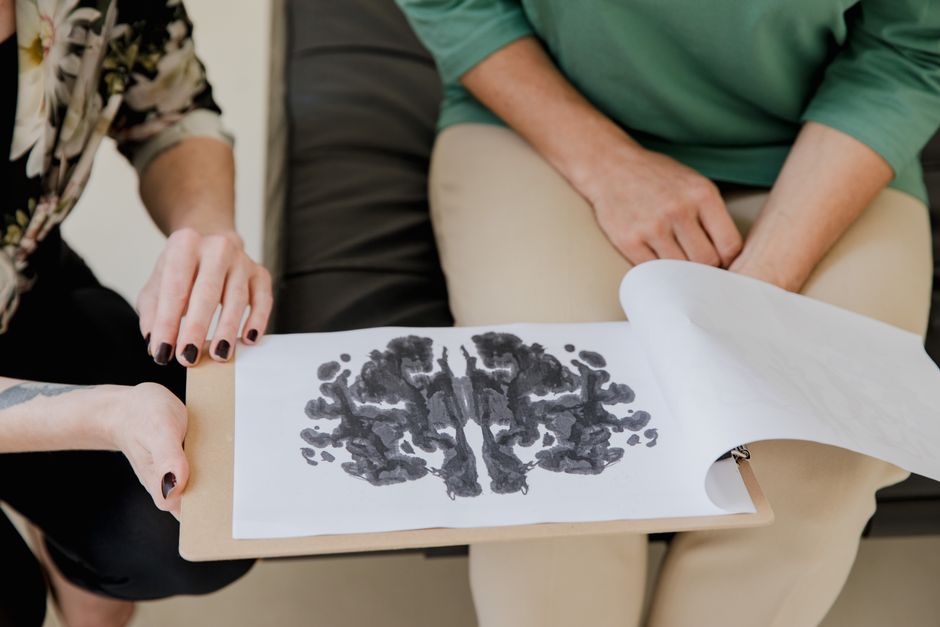
Dual diagnosis means having a mental health condition and a substance use disorder at the same time. It is also called co-occurring disorders. The two conditions interact with each other, and each can make the other worse. This is a common situation, not a rare one, and it requires a treatment plan that addresses both issues together.
What Does Dual Diagnosis Mean In Mental Health?
Dual diagnosis is the clinical term for when someone has both a mental health disorder and a problem with alcohol or drugs. The mental health condition might be depression, anxiety, bipolar disorder, PTSD, or schizophrenia. The substance use issue could be mild, moderate, or severe, ranging from misuse to addiction.
The key point is that both conditions are present at the same time. They are not separate problems that happen to coexist. They often feed into each other. For example, someone with social anxiety might drink to feel comfortable in social settings. Over time, that coping strategy can develop into alcohol dependence.
Having both conditions is more common than many people realize. Studies consistently show that a significant portion of people with a mental health disorder also struggle with substance use, and vice versa. The relationship is complex, and it works in both directions.
Why Do Mental Health And Substance Use Disorders Occur Together?
There are several well-established reasons why these conditions frequently appear together. No single explanation covers every case, but the evidence points to a few major pathways.
Self-medication is one of the most common explanations. People with untreated mental health symptoms may use alcohol or drugs to numb pain, quiet racing thoughts, or boost low energy. The relief is temporary, and the underlying mental health issue remains. In many cases, the substance use makes the mental health symptoms worse over time.
There is also a shared biological vulnerability. Both mental health disorders and substance use disorders involve changes in brain chemistry, particularly in areas related to reward, stress, and emotional regulation. Genetics play a role here. A family history of either condition increases the risk for both.
Substance use can also trigger or worsen mental health conditions. Heavy use of certain drugs can bring on symptoms of psychosis, depression, or anxiety that were not present before. This is especially true for stimulants and cannabis in some individuals, though the exact effects vary from person to person.
How Does Having Both Conditions Affect Treatment?
Treatment for dual diagnosis is different from treating either condition on its own. Historically, mental health and addiction services were often separate systems. A person might get treated for depression in one clinic and for alcohol use in another, with little communication between the two. This approach does not work well.
When both conditions are present, they need to be addressed at the same time. This is called integrated treatment. The goal is to have one treatment team that handles both the mental health symptoms and the substance use disorder in a coordinated way.
There are practical reasons for this. If someone is treated for depression but continues to drink heavily, the alcohol can interfere with the effectiveness of antidepressant medication. If someone stops using substances but their untreated anxiety is severe, the risk of relapse is high. The conditions are linked, so the treatment must be linked too.
Integrated treatment often includes a combination of medication, therapy, and support groups. The exact plan depends on the specific mental health condition and the specific substance involved.





What Does Treatment Actually Look Like?
Treatment for dual diagnosis is not a one-size-fits-all program. It depends on the severity of both conditions and the individual’s circumstances. However, some core components are consistently part of effective care.
Medication may be used to treat the mental health condition. This could include antidepressants, mood stabilizers, or anti-anxiety medications. In some cases, medication is also used to help manage cravings or withdrawal symptoms related to substance use. A psychiatrist who understands both conditions is essential for this part of care.
Therapy is another cornerstone. Cognitive behavioral therapy (CBT) is widely used and has strong evidence behind it. It helps people identify the thoughts and behaviors that drive both substance use and mental health symptoms. Another approach, called dialectical behavior therapy (DBT), is often helpful for people with intense emotions and a history of substance use.
Motivational interviewing is a technique used to help people build the internal motivation to change their substance use. It is not about lecturing or judging. It is about exploring the person’s own reasons for wanting to make a change.
Treatment can happen in different settings. Some people need a period of inpatient care, where they stay at a facility for a few weeks. Others do well in outpatient programs, where they attend appointments several times a week while living at home. The right level of care depends on the severity of the conditions and the safety of the situation.
Is Recovery Possible With A Dual Diagnosis?
Yes. Recovery is possible, but it is often a long-term process rather than a quick fix. The evidence shows that integrated treatment improves outcomes compared to treating the conditions separately. People do get better, and many go on to live stable, fulfilling lives.
It is important to be realistic about the timeline. Relapse is not a failure. It is a common part of the recovery process for both mental health conditions and substance use disorders. The goal is not perfection but progress. A person might have periods of stability followed by periods of struggle. That is normal.
Ongoing support makes a meaningful difference. This can include continued therapy, medication management, and participation in support groups. Some support groups are designed specifically for people with co-occurring disorders. Others, like Alcoholics Anonymous or Narcotics Anonymous, are focused on substance use but can still be helpful.
The most important factor is finding a treatment provider who takes both conditions seriously. A provider who dismisses the mental health condition as just a side effect of drug use, or who ignores the substance use entirely, is not providing adequate care.
What Should You Do If You Think You Have A Dual Diagnosis?
If you suspect you have both a mental health condition and a substance use problem, the first step is to be honest with a healthcare provider. Tell them about all of your symptoms, including your substance use. Do not downplay how much you drink or use drugs. Accurate information leads to accurate treatment.
You can start with your primary care doctor. They can do an initial assessment and refer you to a psychiatrist or a specialized dual diagnosis program. If you are already seeing a therapist, bring up the substance use with them directly. They cannot help with something they do not know about.
If you are concerned about a loved one, approach the situation with care. Avoid blame and judgment. Express your concerns factually and offer to help them find treatment. People are more likely to seek help when they feel supported rather than criticized.
If you are in immediate danger because of your mental health or your substance use, do not wait for an appointment. Call 988, the Suicide and Crisis Lifeline, or go to the nearest emergency room. These situations are urgent, and professional help is available right now.
Frequently Asked Questions
Can a person have a mental illness and an addiction at the same time?
Yes, this is called a dual diagnosis or co-occurring disorders. Both conditions are present simultaneously and they can influence each other.
Which comes first, the mental illness or the addiction?
There is no fixed order. Sometimes the mental health condition comes first, and sometimes substance use triggers the mental health symptoms. In many cases, the timing is hard to determine.
How is dual diagnosis treated?
It is treated with integrated care that addresses both the mental health condition and the substance use disorder together. This typically includes medication, therapy, and ongoing support.
Is dual diagnosis treatable?
Yes, it is treatable. With integrated treatment, many people recover and maintain stability over the long term, though relapse can be part of the recovery process.
