
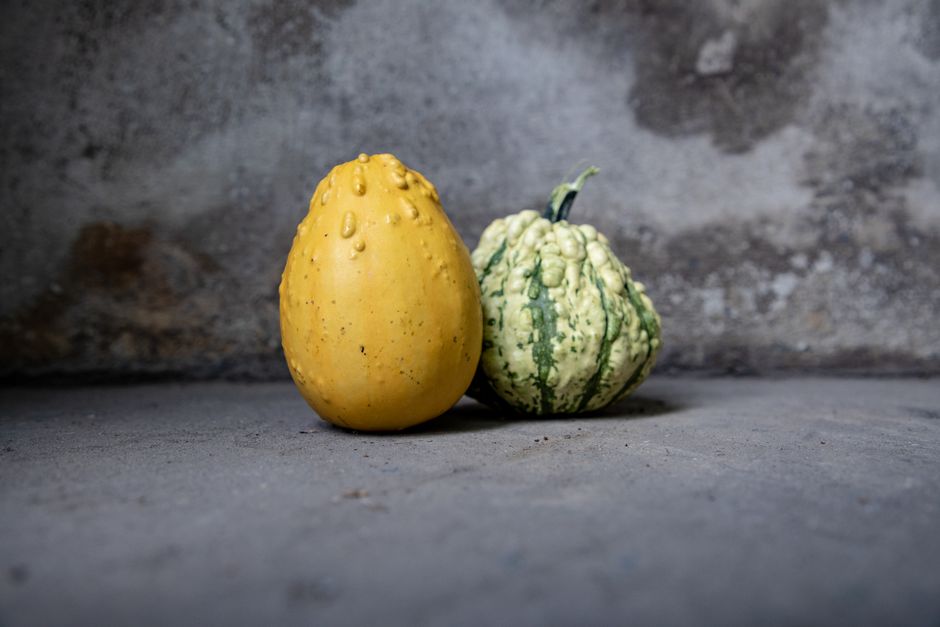
Spaghetti squash is one of the most popular vegetable alternatives to pasta, and for good reason. When cooked, its flesh pulls apart into long, thin strands that look remarkably like spaghetti noodles. But the flavor is where the comparison ends. Spaghetti squash has a very mild, slightly sweet taste with a subtle nutty undertone. It does not taste like pasta, and it does not try to. The texture is slightly crunchy and firm, even when fully cooked, which is a surprise for many first-time eaters.
What Does Spaghetti Squash Taste Like Compared to Pasta?
The honest answer is that spaghetti squash does not taste like wheat pasta. Pasta has a neutral, starchy flavor that mostly absorbs the sauce it is served with. Spaghetti squash has its own gentle personality. The flavor is closer to a yellow summer squash or a mild zucchini, but with a touch more sweetness.
What people notice most is the texture difference. Spaghetti noodles are soft and chewy. Spaghetti squash strands are firmer and have a slight crunch. They hold their shape well, which means they do not soak up sauce the way pasta does. Instead, sauce tends to coat the strands lightly. If you are expecting a bowl of pasta, the first bite will feel different. If you expect a vegetable side dish with a pasta-like shape, it delivers exactly that.
The sweetness becomes more noticeable when the squash is roasted. Roasting caramelizes the natural sugars. Some people describe the roasted flavor as similar to a mild butternut squash, though not as rich or dense. It is a delicate flavor that pairs well with strong ingredients like garlic, olive oil, tomato sauce, or parmesan cheese.
Does Spaghetti Squash Taste Like Other Squash?
Spaghetti squash belongs to the winter squash family, but it does not taste like its relatives. Butternut squash is sweet, dense, and almost creamy when cooked. Acorn squash has a stronger, earthier flavor with a hint of hazelnut. Spaghetti squash is much lighter in both flavor and texture.
Think of it this way: if butternut squash is a rich dessert, spaghetti squash is a mild side dish. The flavor is closer to a yellow summer squash, which makes sense botanically. Spaghetti squash is technically a winter squash because of its hard outer shell and long storage life, but its flavor profile is more delicate than most of its winter squash cousins.
Some people detect a very faint bitterness, especially in the thinner strands near the skin. This is normal and similar to what you find in zucchini or cucumber. The bitterness is mild and usually disappears when the squash is served with sauce, butter, or seasonings.
What Is the Texture of Spaghetti Squash Like?
Texture is the defining feature of spaghetti squash. When cooked properly, the flesh separates into thin, noodle-like strands. The strands are firm and slightly al dente. They are not soft or mushy unless the squash is severely overcooked.
Overcooking is the most common mistake. If you boil spaghetti squash or cook it too long, the strands turn watery and limp. The pleasant crunch disappears and the texture becomes unappealing. Roasting or baking the squash produces the best texture because the heat removes moisture and concentrates the flavor.
The firm texture is why many people enjoy it as a low-carb alternative to pasta. It provides a satisfying bite that feels substantial without being heavy. However, it does not behave like pasta in a dish. Spaghetti squash strands do not twirl around a fork the way long noodles do. They break apart easily and are best eaten with a spoon or mixed thoroughly into the sauce.




How Do You Cook Spaghetti Squash to Get the Best Flavor?
Roasting is the best method for bringing out the natural sweetness and achieving the ideal texture. Cut the squash in half lengthwise, scoop out the seeds, and brush the cut sides with olive oil. Place the halves cut-side down on a baking sheet and roast at 400°F for about 35 to 45 minutes. The flesh should be fork-tender but still hold its shape.
Some people prefer to poke the whole squash with a fork and roast it intact. This method takes longer, usually 60 to 90 minutes, but it traps steam inside and results in very tender strands. The trade-off is that the flavor is less concentrated because the moisture stays trapped.
Microwaving is the fastest method and works well when you are short on time. Cut the squash in half, remove the seeds, and place the halves cut-side down in a microwave-safe dish with a few tablespoons of water. Microwave on high for about 10 to 12 minutes. The texture will be softer than roasted squash, and the flavor will be milder. It is acceptable, but not the best way to experience what spaghetti squash has to offer.
After cooking, use a fork to scrape the flesh. It will separate into strands naturally. Toss the strands with a little butter or olive oil and salt right away. This simple preparation lets you taste the squash itself before adding any sauce.
What Sauces and Seasonings Go Well With Spaghetti Squash?
Because the flavor is so mild, spaghetti squash works with a wide range of seasonings. Tomato-based sauces are the most common pairing. Marinara, arrabbiata, or a simple crushed tomato sauce with garlic and basil all work well. The acidity of the tomatoes complements the subtle sweetness of the squash.
Pesto is another excellent choice. The basil and pine nuts add a bold flavor that stands up to the firm texture. A simple combination of olive oil, garlic, red pepper flakes, and parmesan cheese is also a classic. The cheese adds saltiness and richness that the squash lacks on its own.
Butter and herbs are the simplest option. Melted butter with fresh thyme, sage, or rosemary brings out the nutty notes in the squash. A squeeze of lemon juice brightens the flavor and cuts through the richness.
One thing to avoid is expecting the squash to absorb sauce like pasta. Spaghetti squash strands are non-porous. Sauce sits on top of them rather than soaking in. This means you need to toss the strands thoroughly with the sauce before serving. Even then, a heavy cream sauce may pool at the bottom of the bowl rather than coating every strand evenly.
Is Spaghetti Squash a Good Substitute for Pasta?
Spaghetti squash is a good substitute if your goal is to reduce carbohydrates or increase vegetable intake. A cup of cooked spaghetti squash contains about 42 calories and roughly 10 grams of carbohydrates. A cup of cooked wheat spaghetti contains about 220 calories and 43 grams of carbohydrates. The difference is substantial.
However, it is not a substitute in the sense of tasting like pasta. It is a vegetable that resembles pasta in shape only. People who expect a pasta-like experience are often disappointed. People who approach it as a vegetable dish with a fun texture are usually satisfied.
There is also a practical difference in how it fills you up. Pasta is dense and starchy, which provides a feeling of fullness that lasts for hours. Spaghetti squash is mostly water and fiber. You may feel full right after eating it, but that feeling does not last as long. If you are replacing pasta with spaghetti squash, you may need to add a protein source to the meal to stay satisfied. Ground turkey, chicken, meatballs, or chickpeas all work well.
Does Spaghetti Squash Taste Good Cold?
Leftover spaghetti squash tastes fine cold, but the texture changes. Refrigeration makes the strands firmer and slightly more crunchy. Some people enjoy this as a base for cold salads. Toss it with olive oil, lemon juice, cherry tomatoes, and fresh herbs for a light lunch.
Reheating is more common. The microwave works, but it can make the strands watery. A better option is to reheat the squash in a skillet over medium heat for a few minutes. This evaporates excess moisture and restores some of the original texture. You can also add a little olive oil or butter to the pan to refresh the flavor.
One important note: spaghetti squash does not freeze well after cooking. The strands become mushy and watery when thawed. If you have a large amount of leftovers, use them within three to four days rather than freezing them.
How Do You Pick a Good Spaghetti Squash?
Choosing a ripe spaghetti squash makes a noticeable difference in flavor. Look for a squash that feels heavy for its size. The rind should be firm and free of soft spots, cracks, or mold. A pale yellow color is normal. A deep golden-yellow color often indicates a riper squash with more sweetness.
Store uncut spaghetti squash in a cool, dry place. It can last for several weeks or even a few months under the right conditions. Once cut, wrap the unused half tightly in plastic wrap and refrigerate. Use it within a few days for the best quality.
Frequently Asked Questions
Does spaghetti squash taste like pumpkin?
No. Spaghetti squash is much milder and less sweet than pumpkin. It has a delicate, slightly nutty flavor closer to yellow squash than to any winter squash like pumpkin or butternut.
Why does my spaghetti squash taste bitter?
A mild bitterness can come from the strands closest to the skin. This is normal and similar to what you find in zucchini. Overcooking can also intensify bitter notes, so roast the squash just until fork-tender.
Can you eat spaghetti squash raw?
Raw spaghetti squash is very hard and not pleasant to eat. The flesh does not form strands until it is cooked. Always cook it before eating for both texture and digestibility.
What is the closest taste to spaghetti squash?
The closest comparison is yellow summer squash or a very mild zucchini. The texture is unique, but the flavor profile is similar to these summer squashes with a touch of added sweetness.
