
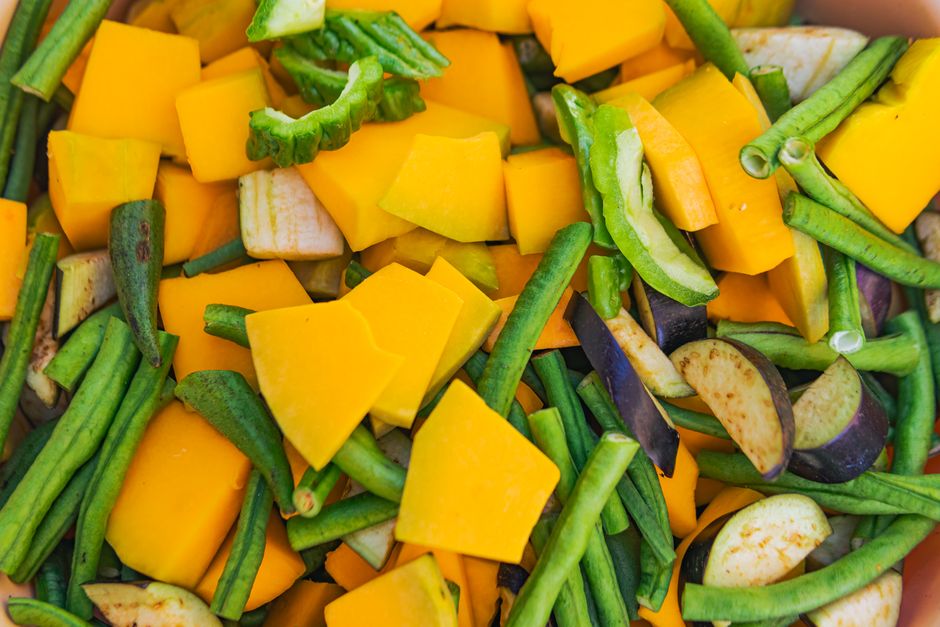
You have probably stood in the grocery store holding a butternut squash and asked yourself, “Is this a vegetable or something else?” The short answer is that squash is botanically a fruit because it develops from the flower of the plant and contains seeds. But in the kitchen and on your dinner plate, squash is treated as a vegetable because of its savory flavor and how we cook it. This dual identity confuses many people, and the answer depends on whether you are asking a botanist or a chef.
What Makes Squash a Fruit Botanically?
Botanists classify plants based on their structure and reproductive parts. A fruit is the part of a plant that develops from the flower and contains seeds. Squash fits this definition perfectly. When you cut open a zucchini, pumpkin, or acorn squash, you see seeds inside. That alone makes it a fruit in the botanical world.
Other foods we call vegetables are also fruits by this logic. Tomatoes, cucumbers, peppers, and eggplants all contain seeds and grow from flowers. Research shows that the confusion is normal because we use taste and cooking methods to label food, not plant biology. The scientific community has been clear on this for centuries, but most people never learn it in school.
There are many types of squash, including summer squash like zucchini and winter squash like butternut. All of them are fruits botanically. No matter the variety, if it has seeds inside and came from a flower, it is a fruit.
Why Do We Call Squash a Vegetable in Cooking?
In the kitchen, classification is about flavor and use. Vegetables are generally savory, less sweet, and often cooked in main dishes. Fruits are sweet and used in desserts or eaten raw. Squash is almost always cooked in savory dishes. You roast it, stuff it, add it to soups, or grill it. You do not typically put squash in a fruit salad or use it as a topping for ice cream.
This culinary classification is practical and widely accepted. Cookbooks, grocery stores, and nutrition guides all list squash as a vegetable. The USDA Food Patterns also classify squash as a vegetable for dietary guidelines. So when you ask “Is squash a veg?” in a cooking context, the answer is yes. It behaves like a vegetable, tastes like a vegetable, and is used like a vegetable.
Some people report confusion because they know the botanical truth but still call squash a vegetable. That is fine. Language evolves based on how we use things. The important part is understanding the difference so you can make informed choices about your diet and cooking.
Is Squash a Veg When It Comes to Nutrition?
Nutritionally, squash fits squarely in the vegetable category. It is low in sugar compared to most fruits and high in fiber, vitamins, and minerals. A cup of cooked butternut squash provides over 400% of your daily vitamin A needs. It also has significant amounts of vitamin C, potassium, and magnesium. These are nutrients you expect from vegetables like carrots or sweet potatoes.
Summer squashes like zucchini are even lower in calories and carbohydrates. They have a high water content, which makes them similar to cucumbers and lettuce in terms of hydration. Winter squashes have more starch and natural sugar, but still far less than fruits like apples or bananas. Current research suggests that eating squash regularly supports eye health, immune function, and heart health.
The fiber in squash is another reason it acts like a vegetable. Most fruits have soluble fiber that helps with blood sugar regulation, but squash has both soluble and insoluble fiber. This combination supports digestion and helps you feel full. From a nutritional standpoint, treating squash as a vegetable is accurate and helpful for meal planning.





What About Pumpkin and Zucchini Are They Also Fruits?
Pumpkin is a type of squash, so yes, it is botanically a fruit. The same rules apply. Pumpkins grow from flowers and contain seeds. But you probably do not eat pumpkin the same way you eat other fruits. You roast it, puree it for soup, or bake it into pies. The sweet pumpkin pie filling makes people think of it as a fruit, but the pumpkin itself is savory until you add sugar and spices.
Zucchini is also a fruit botanically. It is a summer squash harvested before the rind hardens. People often forget that zucchini is a fruit because it is so mild in flavor and used in stir-fries, pasta dishes, and even baked goods like zucchini bread. The bread is sweet, but the zucchini itself is not. This is another example of how cooking changes our perception of food.
Here is a simple comparison to help you remember:
| Type of Squash | Botanical Classification | Culinary Classification |
|---|---|---|
| Zucchini | Fruit | Vegetable |
| Butternut Squash | Fruit | Vegetable |
| Pumpkin | Fruit | Vegetable |
| Acorn Squash | Fruit | Vegetable |
| Spaghetti Squash | Fruit | Vegetable |
This table shows that every common squash variety is a fruit botanically and a vegetable in the kitchen. There is no exception. The classification only changes based on whether you are talking about plant biology or cooking.
What Are Common Misconceptions About Squash Classification?
The biggest misconception is that squash must be one or the other. Many people think something cannot be both a fruit and a vegetable. But that is not true. The word “vegetable” is not a scientific term. It is a culinary and nutritional category. A food can be a fruit botanically and a vegetable culinarily at the same time. This is true for tomatoes, peppers, cucumbers, and squash.
Another misconception is that seeds determine whether something is a vegetable. Some people think vegetables can have seeds, but that is incorrect. If a plant part contains seeds, it is a fruit. Leaves, stems, and roots are vegetables. Spinach is a leaf. Carrots are roots. Celery is a stem. Squash is a fruit because it comes from the flower and holds seeds.
Some viral health claims suggest that eating squash as a fruit is somehow healthier or more natural. As of 2026, there is no clinical evidence that classifying squash as a fruit changes its nutritional value. Your body digests the same nutrients regardless of what you call it. The label does not matter for your health. What matters is that you eat it.
Here are the key points to remember:
- Squash is botanically a fruit because it develops from a flower and contains seeds.
- Squash is culinarily a vegetable because it is savory and cooked in main dishes.
- Both classifications are correct depending on the context.
- Nutritionally, squash behaves like a vegetable with high fiber and low sugar.
- There is no health benefit to calling it one or the other.
Does the Squash Classification Matter for Your Diet?
For most people, the classification does not matter much for daily eating. You should eat squash because it is nutritious and versatile. Whether you call it a fruit or a vegetable does not change the vitamins you get. But understanding the difference can help you make better decisions if you follow specific diets like keto, paleo, or low-carb plans.
On a keto diet, for example, some people avoid fruits because of sugar content. But squash is low in sugar and high in fiber, so it fits the diet well. If you thought squash was a fruit, you might skip it unnecessarily. Knowing that it acts like a vegetable nutritionally helps you include it. The same logic applies to paleo diets, which allow fruits and vegetables but often restrict grains.
Some studies suggest that people who eat more vegetables have better health outcomes. If classifying squash as a vegetable makes you eat more of it, then use that label. If calling it a fruit makes you more curious about trying new varieties, that works too. The goal is to eat a variety of plant foods, and squash is an excellent choice regardless of its name.
Frequently Asked Questions
Is squash a vegetable or a fruit?
Squash is botanically a fruit because it contains seeds and develops from a flower. It is culinarily a vegetable because it is savory and used in main dishes.
Why is squash considered a vegetable in grocery stores?
Grocery stores use culinary classification because it matches how people cook and eat the food. Squash is sold in the produce section alongside other vegetables.
Can you eat squash raw like a fruit?
Summer squash like zucchini can be eaten raw and is often used in salads. Winter squash is usually too hard and starchy to eat raw and tastes better cooked.
Does calling squash a fruit change its nutrition?
No. The nutritional content of squash is the same regardless of what you call it. It remains high in fiber, vitamins, and low in sugar.
