
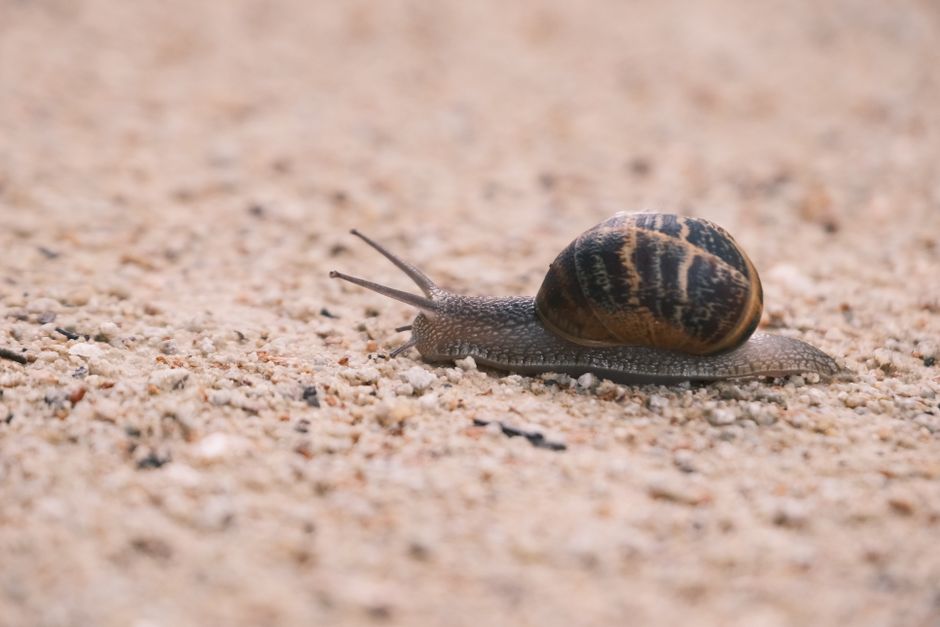
Snail mucin is the slimy secretion snails produce to move, protect their skin, and stay hydrated. In skincare, it is marketed as a hydrating, repairing ingredient, and it does have real water-binding compounds in it. What it does not have is strong clinical proof that it repairs skin, fades scars, or works better than the ingredients already sitting in most bathroom cabinets.
If you have seen snail mucin serums all over social media, you are not alone. The ingredient has become a staple in Korean beauty routines and has spread into mainstream products. Here is what the research actually supports, what it does not, and how to think about it without the hype.
What Is Snail Mucin?
Snail mucin is a complex mixture of proteins, glycoproteins, hyaluronic acid, glycolic acid, and small amounts of antimicrobial compounds. Snails release it when they are stressed, moving, or injured. It helps them glide across surfaces and forms a protective barrier over their skin.
The cosmetic version is usually collected from farmed snails, filtered, and mixed into serums, creams, and masks. The most common species used in products is Cryptomphalus aspersa, though other species appear too. The collection process is generally described as non-lethal, though how humane any given method is depends on the farm.
One important point: snail mucin is not a single standardized ingredient. Two products labeled “snail mucin” can contain very different concentrations, different species, and different preservation methods. That makes it hard to compare study results across products, and it is one reason the evidence is messier than marketing suggests.
What Does Snail Mucin Do to the Skin?
The best-supported action is hydration. Snail mucin contains hyaluronic acid and glycoproteins that bind water to the skin’s surface. When applied, it can temporarily increase moisture in the outer layer of skin, which can make skin look plumper and feel softer.
Beyond hydration, the picture gets less clear. Some laboratory studies have found that snail mucin extracts can stimulate fibroblast activity and collagen production in cultured cells. That is interesting, but cells in a dish are not the same as living human skin. A laboratory result does not automatically translate into a visible effect on your face.
Some small human studies have reported improvements in skin hydration and elasticity after using snail mucin products. These studies tend to be small, short, and often funded or conducted by companies with a commercial interest in the result. That does not make them worthless, but it means the findings should be treated as preliminary rather than settled.
What snail mucin does not do, based on current evidence:
- It does not permanently repair damaged skin or rebuild collagen in a way that reverses aging.
- It does not reliably fade scars, dark spots, or stretch marks.
- It does not replace proven actives like retinoids, vitamin C, or sunscreen for long-term skin health.
- It does not “heal” acne or treat any diagnosed skin condition.
If a product claims snail mucin does any of those things, that claim is not supported by strong clinical evidence.
How Does Snail Mucin Compare to Other Ingredients?
Compared with well-studied ingredients, snail mucin sits in a modest position. It is a decent humectant, meaning it draws water into the skin. But so is glycerin, which is cheap, widely available, and backed by decades of use. So is hyaluronic acid on its own.
Here is a rough comparison of what different ingredients are actually supported to do:
| Ingredient | Main supported action | Strength of evidence |
|---|---|---|
| Snail mucin | Surface hydration | Limited, mostly small or lab studies |
| Glycerin | Surface hydration | Strong, long-established |
| Hyaluronic acid | Surface hydration | Strong for hydration |
| Retinoids | Collagen support, fine lines | Strong, decades of trials |
| Vitamin C | Antioxidant, uneven tone | Moderate to strong |
| Sunscreen | Prevents UV damage | Very strong |
The honest takeaway: if your goal is hydration, snail mucin can work, but so can cheaper options. If your goal is anti-aging, sunscreen and retinoids have far more evidence behind them. Snail mucin is not a substitute for either.





Who Should Be Careful With Snail Mucin?
Snail mucin is generally well tolerated, but it is not risk-free for everyone. Because it is a protein-rich ingredient from an animal source, it can trigger allergic reactions in some people. Reactions reported include redness, itching, and contact dermatitis.
People with a known allergy to dust mites or shellfish may want to be cautious. There is some concern about cross-reactivity because these allergens share certain protein structures, though the evidence for this specific link is not strong. If you have a history of reacting to similar proteins, patch testing on a small area first is reasonable.
Anyone with active eczema, rosacea, or broken skin should be careful with any new product, including snail mucin. A new ingredient can irritate already inflamed skin regardless of how gentle it is marketed to be.
One practical note: because snail mucin is a biological ingredient, formulations vary in how they preserve it. Some products rely on preservatives that themselves can irritate sensitive skin. If a product stings or burns, stop using it.
Does Snail Mucin Actually Work?
For hydration, yes, it can work. For anything beyond that, the evidence is weak. This is the part most marketing skips.
The gap between what snail mucin is claimed to do and what has been demonstrated in well-controlled human trials is wide. Most of the supportive research is either done in cells, done in animals, or done in small human studies with design limitations. Large, independent, long-term trials are largely absent.
That does not mean snail mucin is useless. It means the claims should match the evidence. A reasonable position is that snail mucin is a pleasant, hydrating ingredient that some people enjoy using, and that its bigger promises are not backed by strong science.
If you like how it feels and it does not irritate your skin, there is no strong reason to avoid it. If you are choosing it over proven ingredients because of claims about repair or anti-aging, you are likely paying more for less.
How Should You Use Snail Mucin If You Choose To?
Snail mucin products are typically applied after cleansing and before heavier creams. Most are water-based serums or essences, so they layer well under moisturizer and sunscreen.
A simple approach many people use:
- Cleanse gently.
- Apply snail mucin serum or essence to damp skin.
- Follow with a moisturizer to seal in water.
- Finish with sunscreen in the morning.
Layering matters because humectants like snail mucin pull water into the skin, but without a moisturizer on top, that water can evaporate and leave skin feeling drier in dry climates. This is true of glycerin and hyaluronic acid too.
There is no established clinical guideline for how often to use snail mucin or at what concentration. Product labels vary widely, and no standard dose exists. Start with once daily if you are trying it for the first time, and watch for irritation.
The Bottom Line on Snail Mucin
Snail mucin is a humectant with some real hydrating properties and a lot of unearned hype. It can make skin feel softer and look more hydrated in the short term. It has not been shown in strong human trials to repair skin, fade scars, or rival proven anti-aging ingredients.
If you enjoy using it and your skin tolerates it, that is a fine reason to keep it in your routine. Just do not expect it to do more than a good moisturizer and daily sunscreen already do. The ingredients with the strongest evidence for long-term skin health remain sunscreen, retinoids, and vitamin C — not snail secretion.
Frequently Asked Questions
What does snail mucin do for your face?
Its best-supported effect is hydration, because it contains water-binding compounds like hyaluronic acid. Claims about repair, scar fading, or anti-aging are not strongly supported by human trials.
Is snail mucin safe for sensitive skin?
It is generally well tolerated, but it is a protein-based animal ingredient that can cause allergic reactions in some people. If you have a history of protein allergies or easily irritated skin, patch test first.
Can snail mucin replace retinol or sunscreen?
No. Retinoids and sunscreen have far stronger evidence for long-term skin health, and snail mucin has not been shown to match them. It can be used alongside them, not instead of them.
Does snail mucin really heal scars?
No clinical evidence currently confirms that snail mucin fades or heals scars. Some lab studies suggest possible effects on skin cells, but that is not the same as proven results on human scars.
