
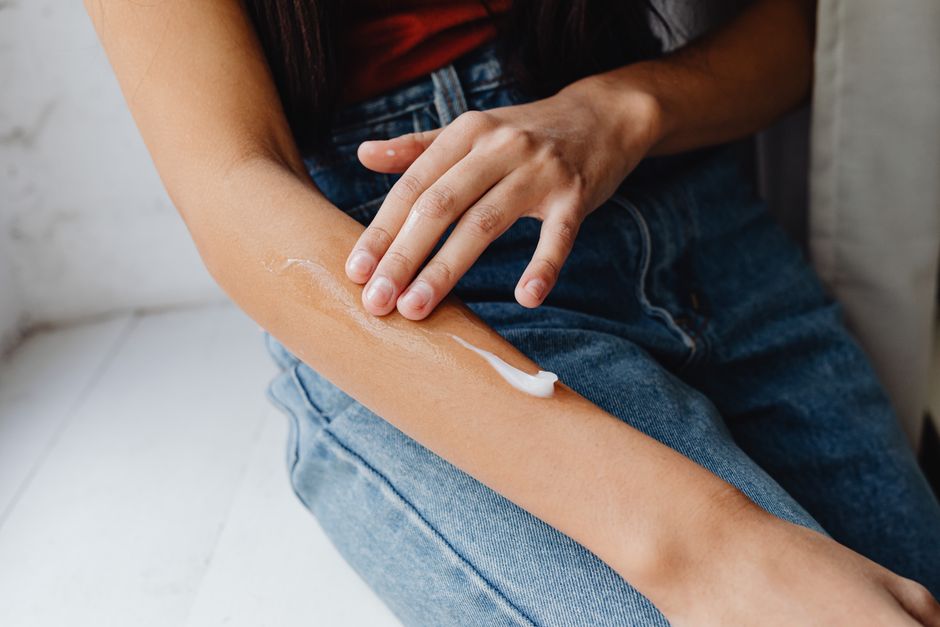
Sensitive skin is not a diagnosis. It is a description of a symptom pattern — skin that reacts to products, weather, or friction with stinging, burning, itching, or redness that most people would not experience under the same conditions. There is no lab test for it. No biopsy confirms it. A dermatologist identifies it by asking what happens, when, and to what.
That absence of a test is exactly why the term causes so much confusion. “Sensitive skin” gets used to describe everything from a mild reaction to a single ingredient to a lifelong inherited condition like rosacea or eczema. Those are not the same thing, and they do not need the same approach.
This article explains what the term actually covers, what symptoms tend to show up, what is known about why some skin reacts this way, and where the evidence is solid versus where it is still thin.
What Does Sensitive Skin Mean in Medical Terms?
Dermatologists generally treat sensitive skin as a set of reported symptoms rather than a disease. The most commonly used research definition describes four possible sensations — burning, stinging, itching, and tingling — sometimes with visible redness, triggered by things that should not normally cause a reaction.
The key word is “should not.” Everyone’s skin reacts to a strong acid or an allergic trigger. Sensitive skin means reacting to ordinary exposures: tap water, a mild cleanser, cold wind, a wool sweater, the fragrance in a laundry detergent.
Researchers sometimes divide it into categories based on what is driving the reaction. One is a barrier problem, where the outer layer of skin does not hold moisture or block irritants as well as it should. Another involves the nerve endings in the skin being more reactive than usual, so a mild stimulus registers as stinging or burning. A third is closer to an immune response, where the skin is genuinely reacting to something it has identified as foreign.
These categories overlap in real people, and a single person can have more than one going on. That is part of why the term is so broad.
What Are the Most Common Symptoms of Sensitive Skin?
Symptoms tend to fall into two groups: what you feel and what you can see.
What you feel:
- Stinging or a sharp, hot sensation after applying a product
- Burning that comes on quickly and fades within minutes
- Itching without a visible rash
- Tightness, especially after washing
- A tingling or prickling feeling
What you can see:
- Redness that appears and fades with the trigger
- Flushing across the cheeks, nose, or chin
- Dry, flaky patches
- Small bumps or a rash-like texture
- Visible tiny blood vessels over time in some people
The timing matters. A reaction that shows up within seconds to minutes of applying something usually points to irritation or a nerve-type response. A reaction that appears hours or days later is more likely an allergic contact reaction, where the immune system has to mount a response first.
That distinction is one of the more useful things a person can notice and report, because it changes what a dermatologist will look for.
What Causes Sensitive Skin?
There is no single cause. Several mechanisms are well established, and they can occur together.
The skin barrier
The outer layer of skin, called the stratum corneum, works like a brick wall. Skin cells are the bricks, and fats between them — ceramides, cholesterol, fatty acids — are the mortar. When that mortar is thin or disrupted, water escapes and irritants get in. This is the best-understood mechanism behind sensitive skin.
Barrier disruption can be inherited, or it can be acquired. Over-washing, harsh soaps, hot water, and repeated exposure to solvents all strip the fats that hold the barrier together.
Nerve sensitivity
Skin is full of sensory nerve endings. In some people, these endings respond to smaller stimuli than usual. This is thought to explain why a product can cause stinging or burning with no visible redness at all. The skin looks normal. It does not feel normal.
Inflammation and immune reactivity
Some sensitive skin is driven by low-grade inflammation or by an immune system that reacts to specific ingredients. This is the mechanism behind allergic contact dermatitis, which is different from irritation. Irritation happens to anyone if the exposure is strong enough. Allergy happens only in people whose immune system has learned to recognize a specific substance.
Underlying skin conditions
A large share of people who describe their skin as sensitive actually have an underlying condition. Rosacea, eczema (atopic dermatitis), and seborrheic dermatitis all produce sensitivity as a symptom. So does psoriasis in some presentations.
This matters because treating the underlying condition is different from managing sensitivity in otherwise healthy skin.
Hormones and age
Skin sensitivity is reported more often by women than men, and more often during certain hormonal shifts. The reasons are not fully understood. Skin also thins and produces less oil with age, which can reduce barrier function and increase reactivity.





Is Sensitive Skin the Same as an Allergy?
No. This is one of the most common points of confusion.
An allergy involves the immune system. It requires prior exposure — the first contact sensitizes you, and the reaction happens on later contact. It can worsen with each exposure. It is specific to one substance or a family of related substances.
Irritation does not involve the immune system. It happens on first contact if the exposure is strong enough, and it can happen to anyone. It is about dose and duration, not immune memory.
Sensitive skin is a broader category that includes irritation, and sometimes includes allergy. But calling every reaction an allergy is inaccurate, and it leads people to avoid ingredients that were never the problem.
If a reaction is severe, spreading, blistering, or does not improve when you stop the product, that is a reason to see a dermatologist. Patch testing can identify true allergies in a way that guessing cannot.
What Triggers Sensitive Skin Reactions?
Triggers vary between people, but certain categories show up repeatedly.
- Fragrance — both natural essential oils and synthetic fragrance mixes are among the most common triggers of contact allergy
- Preservatives — some, particularly certain formaldehyde-releasing types and methylisothiazolinone, are well-documented contact allergens
- Surfactants — the detergents in cleansers and shampoos can strip barrier fats
- Acids and exfoliants — glycolic acid, salicylic acid, and retinoids commonly cause stinging
- Alcohol — drying alcohols can disrupt the barrier
- Weather — cold, wind, and low humidity all reduce barrier function
- UV exposure — sun can trigger flushing in rosacea and worsen many conditions
- Heat and sweat — common triggers for itching and flushing
- Stress — consistently reported as a trigger, though the mechanism is not fully mapped
Fragrance deserves a specific note. “Fragrance-free” and “unscented” are not the same label. A product labeled unscented may contain a masking fragrance to cover the smell of other ingredients. For someone with a confirmed fragrance allergy, that difference matters.
How Is Sensitive Skin Treated?
There is no cure for sensitive skin, and no product that eliminates it. Management focuses on reducing triggers and supporting the barrier.
What has reasonable evidence behind it:
- Gentle, non-foaming cleansers with a low pH
- Moisturizers containing ceramides, which replace barrier fats
- Avoiding known personal triggers, once identified
- Lukewarm rather than hot water
- Fragrance-free products, especially leave-on products
- Sunscreen, since UV worsens several underlying conditions
What has weaker evidence:
Many ingredients marketed for sensitive skin — certain botanical extracts, “calming” complexes, and specialty peptides — have limited or no published human trial data supporting their specific claims. Some may help. The evidence is often not there to say so confidently.
If an underlying condition like rosacea or eczema is present, treatment targets that condition. A dermatologist may prescribe topical medications, and for some conditions, oral treatments. These are not interchangeable, and what works for one condition can worsen another.
Introducing one new product at a time is standard clinical advice. If you change five things at once and react, you have no way to know which one caused it.
When Should You See a Dermatologist?
See a dermatologist if the reaction is severe, blistering, or spreading. Also see one if symptoms do not improve after you remove the suspected trigger, or if they interfere with sleep or daily life.
Persistent redness, visible broken blood vessels, or a rash that keeps returning to the same area are all reasons to get an evaluation. These can point to a specific condition that has its own treatment.
Self-diagnosis is common here, and it often leads people to avoid the wrong things. A dermatologist can distinguish irritation from allergy from an underlying disease — three situations that look similar and need different approaches.
Frequently Asked Questions
Is sensitive skin a real medical condition?
It is recognized as a symptom pattern rather than a disease with a single cause. Dermatologists assess it based on reported reactions and visible signs, since no test confirms it directly.
Can sensitive skin be cured?
No. It is managed by reducing triggers and supporting the skin barrier, not cured. If an underlying condition like rosacea or eczema is present, treating that condition often reduces the sensitivity.
What is the difference between sensitive skin and a skin allergy?
An allergy involves the immune system and develops after prior exposure to a specific substance. Irritation and general sensitivity do not involve immune memory and can affect anyone given enough exposure.
Does sensitive skin get worse with age?
It can. Skin produces less oil and thins with age, which can weaken the barrier and increase reactivity. This is a general trend, not a rule for every person.
